
How Restaurant Shutdowns During COVID Quietly Changed American Home Cooking

During COVID, restaurant shutdowns prompted a significant shift in home cooking as Americans sought culinary skills and comfort in their own kitchens. With dining out unavailable, many turned to preparing restaurant-quality meals at home, driving a surge in kitchen experimentation and self-sufficiency. This change fostered an increased appreciation for quality ingredients and cooking techniques, reshaping the way we approach home-cooked meals today.
Rise of DIY Gourmet

Forced to recreate dining experiences at home, many embraced the challenge of preparing gourmet dishes. Home cooks began experimenting with high-quality ingredients like truffle oil, exotic spices, and artisanal cheeses. Mastering the art of plating became more common, with garnishes and presentation techniques enhancing the visual appeal of meals. This era also saw a rise in kitchen tool acquisition, as people invested in items such as mandolines and sous-vide machines to perfect their creations.
Sourdough and Bread Mania

The pandemic period saw a notable surge in home baking, with sourdough becoming a national obsession. As people spent more time at home, they developed patience and precision, nurturing sourdough starters and perfecting crumb structure. Novel flours like rye and einkorn became pantry staples, and bakers explored techniques like autolyse and cold fermentation. The rhythmic process of making bread offered both culinary satisfaction and therapeutic benefits.
Comfort Foods From Scratch

With a focus on indulgence, many turned to creating comforting favorites from scratch. Dishes like macaroni and cheese, lasagna, and pot pies became projects for family meals. Making stocks from bones and simmering them into hearty soups reflected a return to fundamental cooking skills. This shift not only elevated flavors but also emphasized healthier versions of favorite comfort foods, turning meals into nurturing experiences.
Essential Freezer Staples
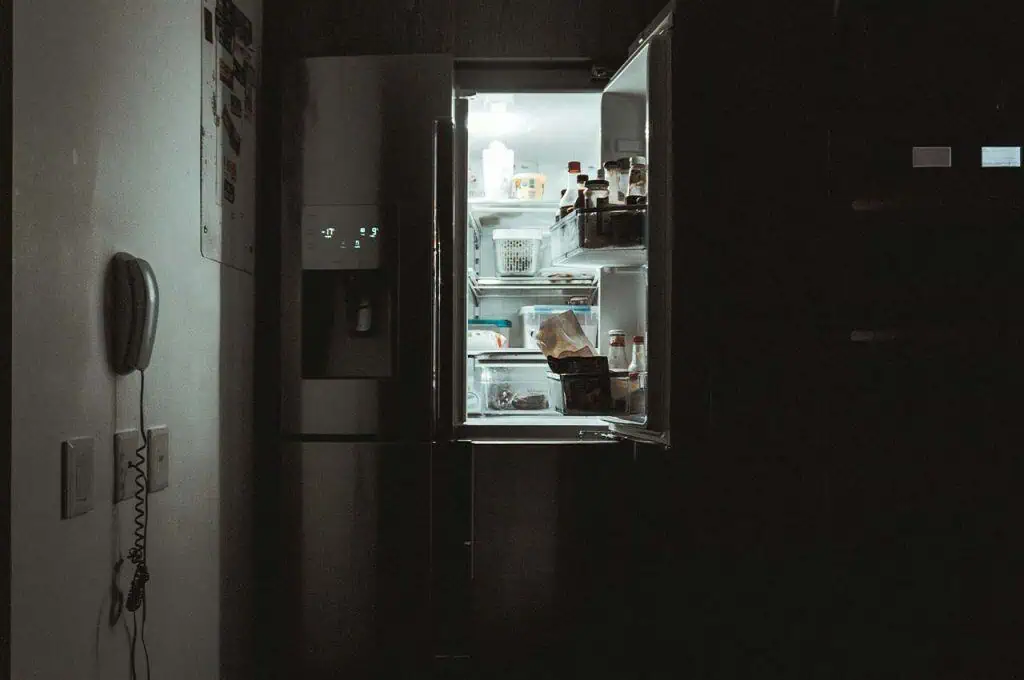
Adapting to limited grocery runs, home cooks learned to optimize freezer space with essential staples. Batch cooking became popular, with soups, sauces, and stews frozen for future convenience. Emphasis was placed on vacuum sealing to prevent freezer burn, maintaining quality and taste. Additionally, mastering the art of freezing individual components like chopped herbs and cooked grains allowed for quick assembly of nutritious meals on demand.
Explosion of Meal Kits

The pandemic sparked a surge in meal kit popularity, bringing restaurant-quality dishes into homes. These kits offer pre-measured ingredients and detailed instructions, transforming kitchen novices into confident cooks. By including diverse options and fresh produce, meal kits encourage experimentation while minimizing waste. This convenience-focused trend has sparked interest in creating flavorful, balanced meals without the stress of grocery shopping or meal planning, making them an essential part of many kitchens.
Global Flavors at Home

With limited dining out, home cooks have embraced global ingredients to elevate their cooking. Access to online ethnic grocery stores and creative recipes has inspired dishes highlighting bold spices and unique condiments from around the world. Whether incorporating miso into dressings or discovering the complex notes of za'atar, the integration of diverse flavors has expanded the American palate. This growing curiosity continues to enrich home kitchens with authentic and adventurous tastes.
Fermentation and Pickling Fun
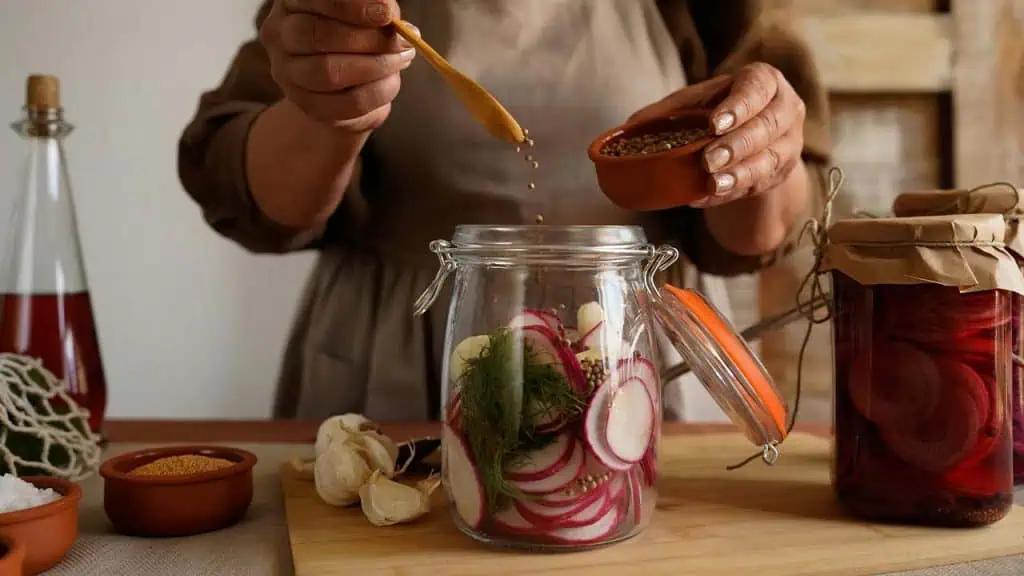
Interest in fermentation and pickling surged as home cooks sought creative ways to preserve food and add zest to dishes. Techniques such as lacto-fermentation and quick pickling allow for crafting tangy, probiotic-rich foods like kimchi or pickled radishes in small batches. These practices transform simple vegetables into dynamic pantry staples, offering depth and umami to various recipes. The process, both art and science, invites experimentation and aids in developing nuanced culinary skills.
Baking as Therapy
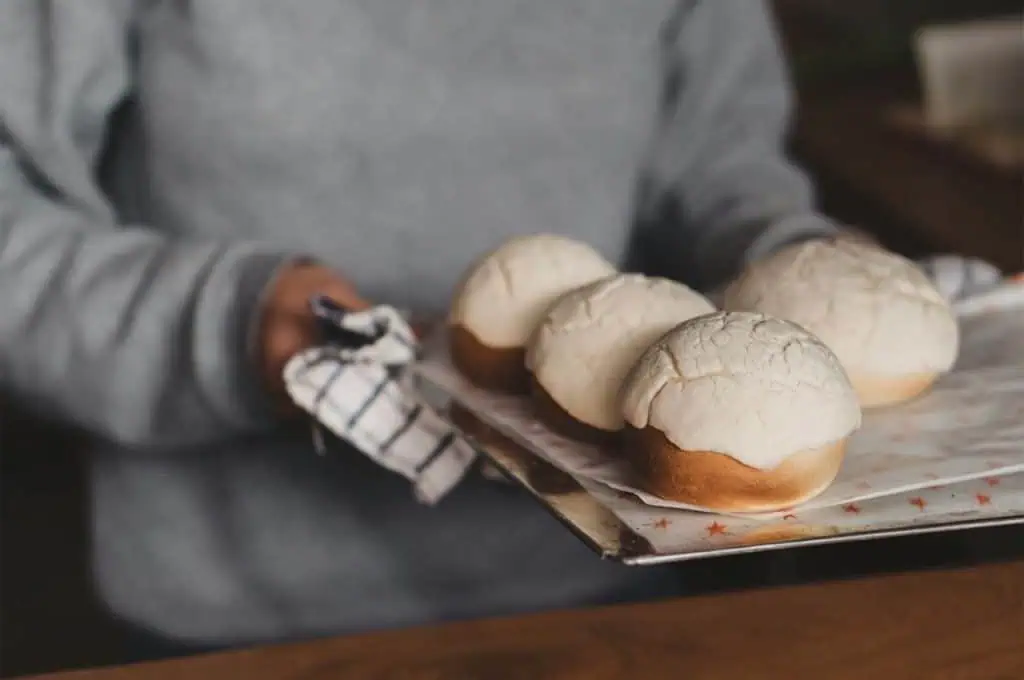
Baking emerged as a comforting and rewarding endeavor for many during lockdowns. The methodical process of mixing dough, watching it rise, and savoring freshly baked goods brought solace and satisfaction. From sourdough loaves to intricate pastry projects, baking challenged cooks to refine their techniques and understand the science behind the perfect crumb. This therapeutic ritual fostered patience and creativity, making it both a delicious pastime and a form of stress relief.


