
12 Comfort Food Lies That Shaped How the World Eats Today

Our modern eating habits are deeply influenced by food trends and misconceptions. Over decades, certain beliefs about comfort foods have shaped how we perceive and consume them. As culinary enthusiasts, understanding these myths helps refine our approach, making us more mindful of the choices that truly suit our kitchens and lifestyles.
‘Low-Fat' Means Healthy
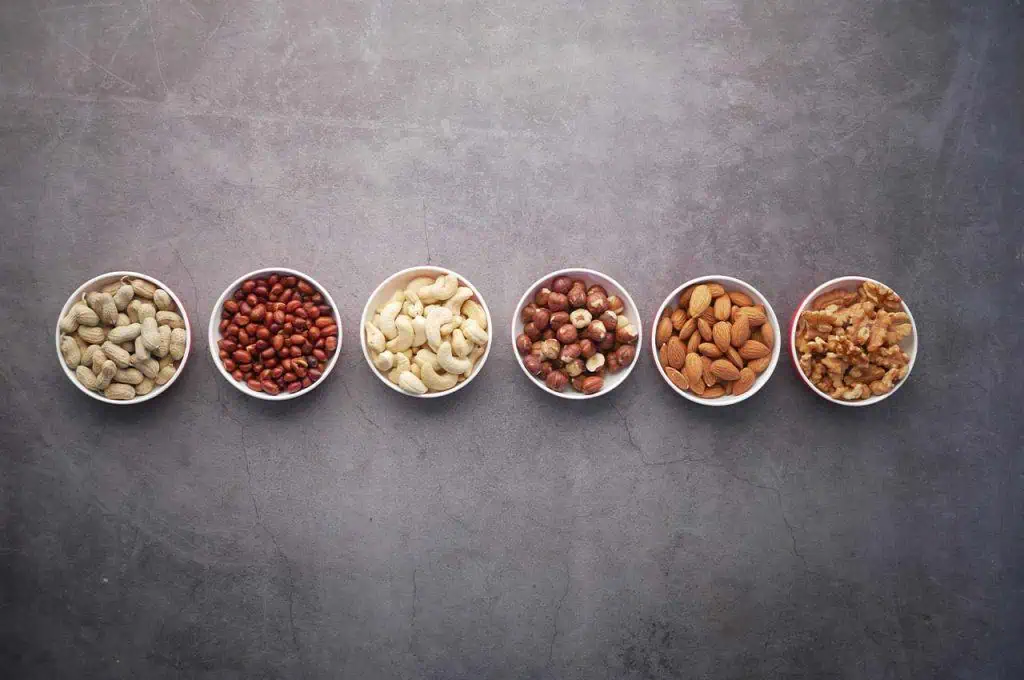
The notion that ‘low-fat' equates to health has led many to prioritize these labels without realizing that flavor is often compensated with sugar or additives. Instead of favoring ‘low-fat' indiscriminately, explore the quality of fats. Opt for natural sources like avocados or nuts, which provide essential fatty acids beneficial for overall health.
Frozen Meals: Cheap or Costly?

While often marketed as a budget-friendly and time-saving option, frozen meals can deceive with hidden costs. Many contain high sodium levels and preservatives. To improve quality, consider prepping meals ahead and freezing them yourself. This approach ensures control over ingredients and ultimately retains flavor and nutritional value.
All Sugars Created Equal?

It's a common misconception that all sugars impart the same effect. The reality is that the source and processing of sugars impact their nutritional quality. Choose natural sweeteners like honey or maple syrup that offer more than just sweetness, bringing depth and additional nutrients. Always balance sugar intake with wholesome, nutrient-dense foods.
Processed Cheese Isn't Cheese?

Processed cheese often gets a bad rap, viewed as inferior to its traditional counterparts. However, understanding its place can transform its use in kitchens. While it's true these cheeses contain emulsifiers and additives, they melt evenly and consistently, making them ideal for quick, uniform melts in cheeseburgers and omelets, when used judiciously.
Canned Veggies: Nutritious or Not?

Canned vegetables have long been perceived as less nutritious than their fresh counterparts. However, when preserved correctly, they retain significant nutrients due to the high-heat process. This method locks in vitamins, making them a savvy choice for pantry essentials. While sodium levels can be high, rinsing under cool water effectively reduces salt content. Opt for no-salt-added versions to maximize health benefits. Canned veggies offer convenience without sacrificing too much nutritional value, especially when fresh options are out of season.
White Bread: Innocent Comfort?

White bread, often seen as a symbol of comfort, has faced criticism for lacking fiber and essential nutrients due to the refining process. However, its soft texture and neutral flavor make it a versatile ingredient in various dishes. Look for fortified versions enriched with vitamins and minerals. While it's not a nutritional powerhouse, pairing it with fiber-rich and protein-packed fillings can create balanced meals. Yet, moderation remains key for those concerned with blood sugar spikes and overall nutrition.
Deep-Fried: The ‘American' Myth

Deep-fried foods are frequently linked to American cuisine, yet their origins span multiple cultures. The crispy texture is a universal delight, achieved through a precise balance of oil temperature and batter consistency. For a lighter twist, try using a mix of flours or experimenting with panko for an airy finish. Deep-frying at home can be less daunting with a reliable thermometer and proper drainage on wire racks to maintain crispness. While often considered unhealthy, technique and oil choice can reduce excess fat absorption.
Fast Food: Cheap Protein Fix

Fast food is celebrated for its convenience, but its role as an affordable protein source deserves attention. Burgers and nuggets often contain quality proteins, though watch for added fillers and sodium levels. Grasping portion control is crucial to avoid overconsumption of calories and fat. Selecting grilled options over fried and embracing plant-based alternatives can enhance nutrient intake. While fast food shouldn’t replace well-rounded home-cooked meals, it offers a quick solution without entirely disregarding nutritional value.
Coffee: The Quick Energy Myth

Coffee is cherished for its ability to kickstart the day, offering a quick burst of energy. However, the perception that it alone provides sustained energy is misleading. While caffeine enhances alertness temporarily, pairing it with a nutrient-rich breakfast prolongs vitality. Using whole beans and grinding just before brewing ensures maximum flavor extraction. Pay attention to brewing techniques, from French press to espresso, to cater to taste preferences. Moderation helps avoid caffeine overload, ensuring coffee remains a pleasant part of the daily routine.
Mashed Potatoes: Creamy Deception

Mashed potatoes have long been heralded as the epitome of creamy comfort, yet achieving that perfect texture at home often eludes even seasoned cooks. The secret lies in choosing the right type of potato, opt for Yukon Golds or Russets for their high starch content and rich flavor. Boil them just until tender, avoiding overcooking which leads to a gluey mess. Use a ricer or food mill for a light, airy mash, and incorporate warm butter and cream gradually, ensuring a luscious mouthfeel without becoming waterlogged. Season confidently with salt and white pepper, letting the pure taste of the potatoes shine through.
Chocolate Milk: A Health Drink?

Chocolate milk is often touted as a post-workout recovery drink, but its reputation as healthful can be deceiving. While it offers protein and a quick carbohydrate replenishment, the added sugars heighten its caloric density. When crafting homemade chocolate milk, control the sweetness by using unsweetened cocoa powder and a touch of honey or agave. Choose low-fat or plant-based milk alternatives to reduce saturated fat, and pinch of salt can enhance the cocoa flavor. This approach allows for a balanced indulgence, making it more suitable for occasional enjoyment without overshadowing its comforting qualities.
Takeout: Fresh or Faux Fresh?

Takeout meals, often perceived as convenient and indulgent, can mislead with their freshly prepared facade. Many dishes are par-cooked or pre-prepped to expedite service, impacting texture and flavor. When recreating takeout at home for improved freshness, focus on quick-cook proteins like shrimp or chicken breast, which hold their moisture well. Flash-cooking vegetables at high heat retains their crispness and vibrant color. Utilize a hot wok or skillet to mimic the high-temperature cooking found in professional kitchens, ensuring each ingredient’s natural flavors are maximized without resorting to excessive oil or sodium.


