
7 Global Christmas Foods Gen Z Is Bringing to the US Table

Christmas tables in the U.S. are quietly evolving as Gen Z brings global traditions into holiday meals once dominated by ham, cookies, and casseroles. Raised on travel content, international friendships, and social media food discovery, this generation sees tradition as something to remix rather than replace. These dishes aren’t novelty add-ons—they’re becoming staples that reflect identity, inclusivity, and curiosity. From comforting stews to celebratory sweets, these global Christmas foods are finding permanent places on American holiday tables.
Tamales (Mexico & Central America)
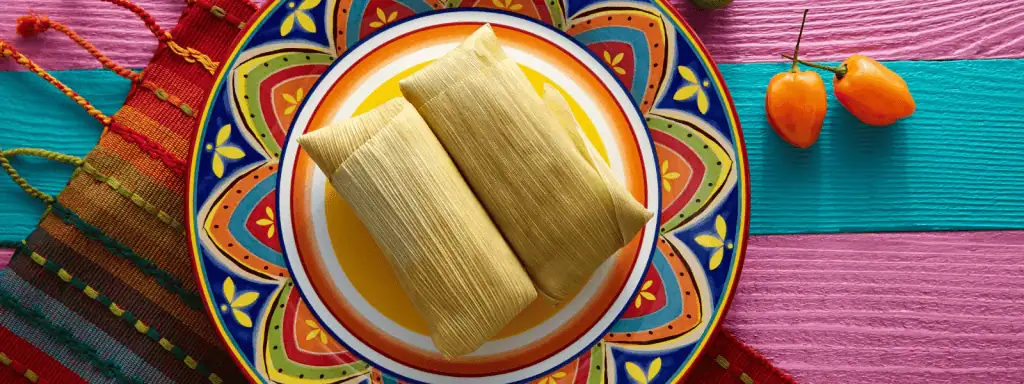
Tamales have become a Christmas centerpiece in many Gen Z–hosted gatherings because of their deep cultural meaning and communal preparation. Traditionally made in large batches with family, tamales represent togetherness, patience, and celebration. Wrapped in corn husks and filled with meats, cheese, or vegetables, they offer warmth and comfort perfect for winter. Gen Z appreciates both the flavor and the ritual, often hosting tamale-making parties that replace cookie swaps. Their portability and versatility make them ideal for modern holiday hosting.
Panettone (Italy)
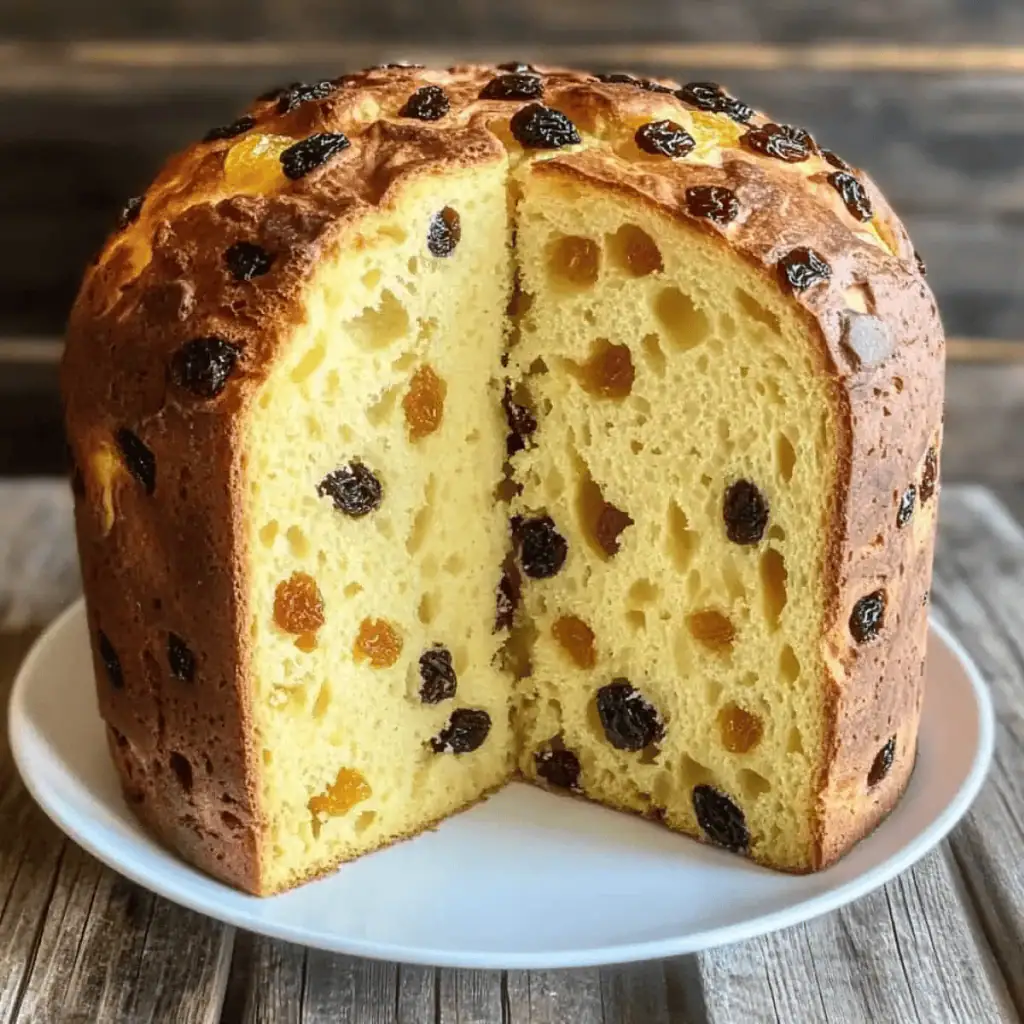
Once considered niche in the U.S., panettone has surged in popularity as Gen Z embraces its light texture and European holiday roots. This tall, airy bread studded with dried fruit feels festive without being overly sweet. Younger hosts often serve it toasted, layered into desserts, or paired with coffee rather than as a formal cake. Its elegant simplicity aligns with Gen Z’s preference for understated indulgence. Panettone’s growing presence reflects a shift toward global holiday baking traditions.
Bibingka (Philippines)
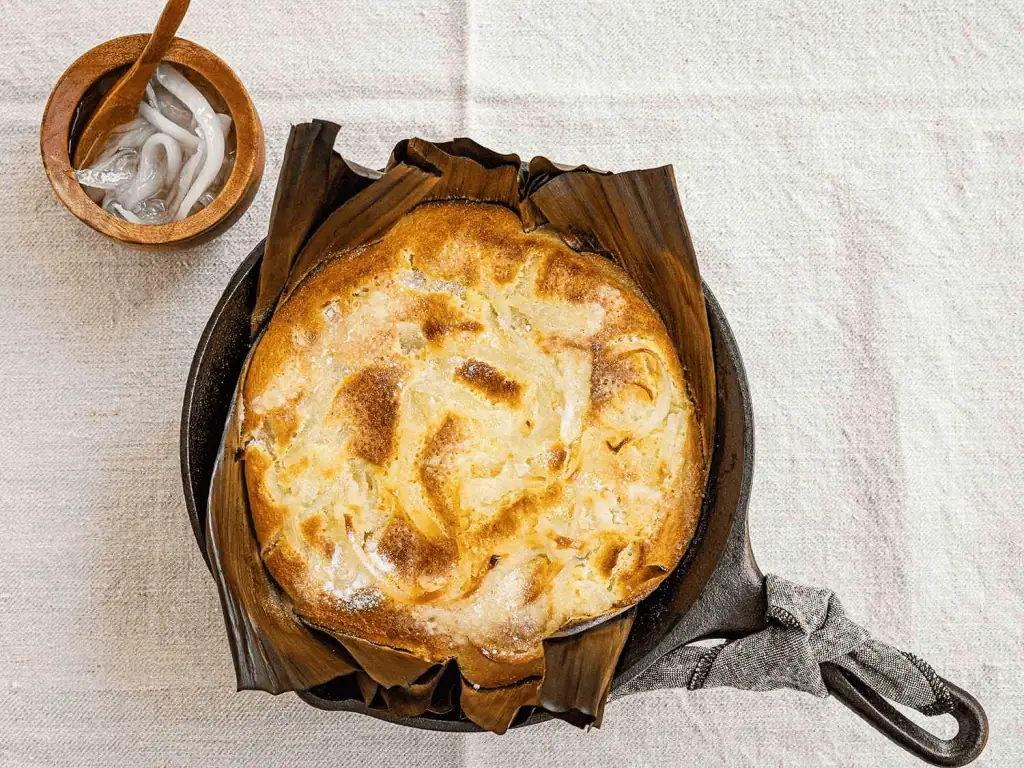
Bibingka, a rice cake traditionally eaten during Filipino Christmas celebrations, is gaining attention for its comforting flavor and symbolism. Made with rice flour and coconut milk, it offers a soft, custardy texture that feels cozy and unfamiliar to many Americans in a good way. Gen Z cooks are introducing it as an alternative to dense cakes, highlighting its warmth and cultural significance. Its rise reflects a broader appreciation for Asian holiday desserts that prioritize texture and balance over heavy sweetness.
Pierogi (Poland & Eastern Europe)
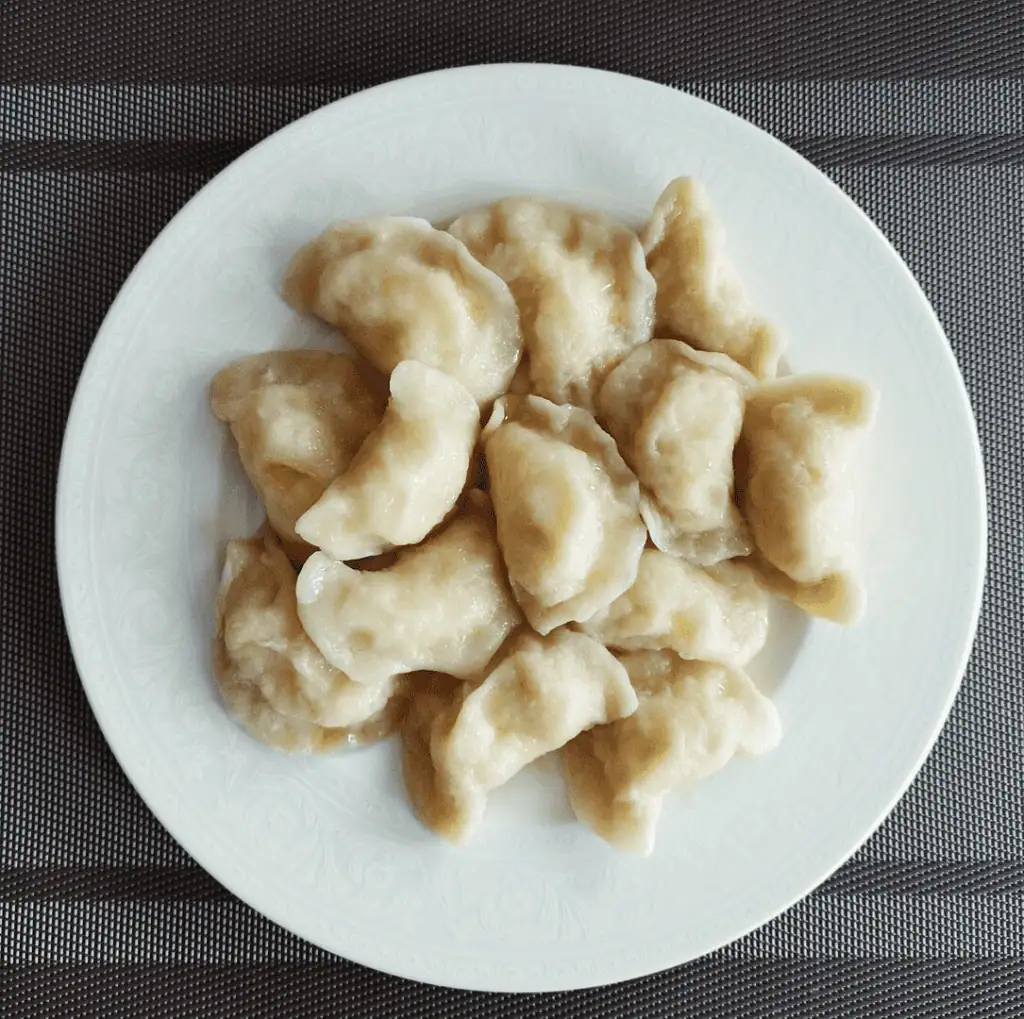
Pierogi have become a holiday favorite among Gen Z for their comforting simplicity and adaptability. These filled dumplings often stuffed with potato, cheese, or sauerkraut fit perfectly alongside traditional American holiday dishes. They’re easy to batch cook, freeze, and reheat, making them practical for modern hosts. Gen Z values pierogi not just as food, but as heritage, often learning recipes from older relatives or online creators. Their presence reflects renewed interest in Eastern European holiday traditions.
Leche Flan (Philippines & Latin America)

Leche flan has found a growing audience among Gen Z holiday bakers who want desserts that feel rich but not overwhelming. This silky caramel custard emphasizes texture and balance rather than layers or frosting. Its smooth finish and glossy caramel top make it visually striking while still comforting. Often served chilled, it contrasts beautifully with heavier winter desserts. Gen Z appreciates its simplicity and its ability to honor multiple cultural traditions at once.
Jollof Rice (West Africa)

Jollof rice is increasingly appearing on U.S. Christmas tables as Gen Z celebrates bold flavors and cultural pride. This tomato-based rice dish, cooked with spices and aromatics, brings warmth, color, and energy to holiday meals. It’s often served alongside roasted meats or enjoyed on its own as a centerpiece dish. Gen Z cooks embrace jollof as a statement food that sparks conversation, identity, and joy. Its popularity reflects a growing appreciation for African holiday cuisine.
Stollen (Germany)
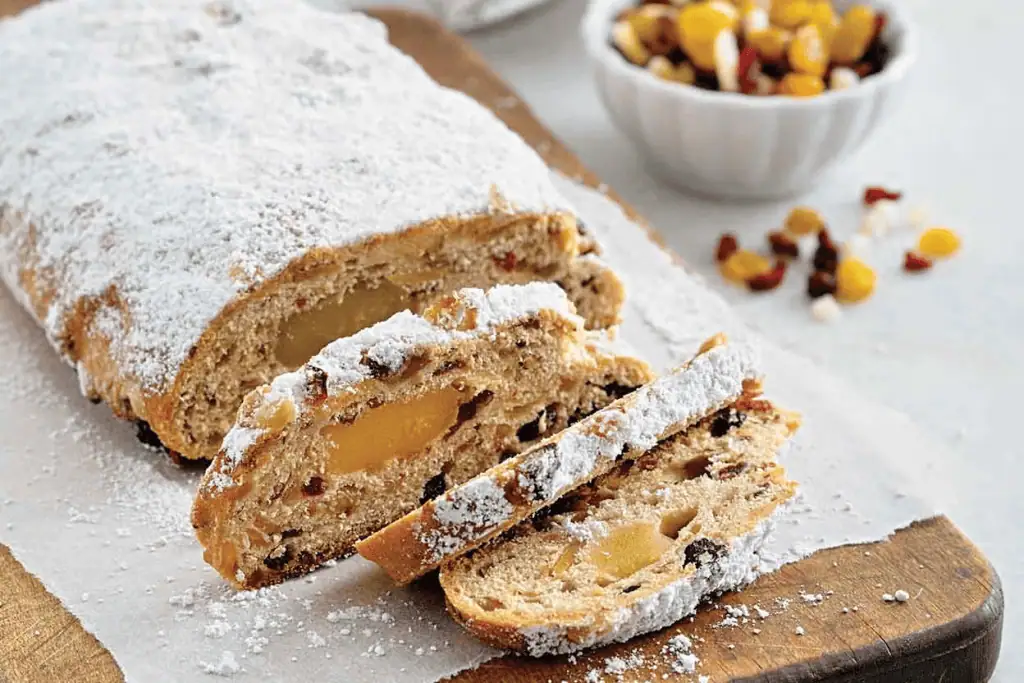
Stollen, a dense fruit bread dusted with powdered sugar, is being rediscovered by Gen Z as a nostalgic yet global Christmas staple. Traditionally baked weeks before Christmas, it symbolizes patience and celebration. Younger bakers appreciate its spiced depth and less sugary profile compared to frosted desserts. Often sliced thin and served with coffee or tea, stollen fits Gen Z’s preference for intentional, slower holiday rituals. Its comeback highlights renewed interest in European seasonal baking.


