
7 ultra exotic foods you can only try at select restaurants
Some foods are so rare, region-specific, or technically difficult to prepare that only a handful of restaurants in the world offer them. These ultra-exotic dishes aren’t just meals they’re culinary experiences shaped by tradition, scarcity, or specialized techniques that very few chefs master. Diners seek them out for their uniqueness, cultural depth, and once-in-a-lifetime appeal. From meticulous preparations to rare ingredients, these foods exist far outside the everyday menu.
Fugu (Pufferfish): Japan
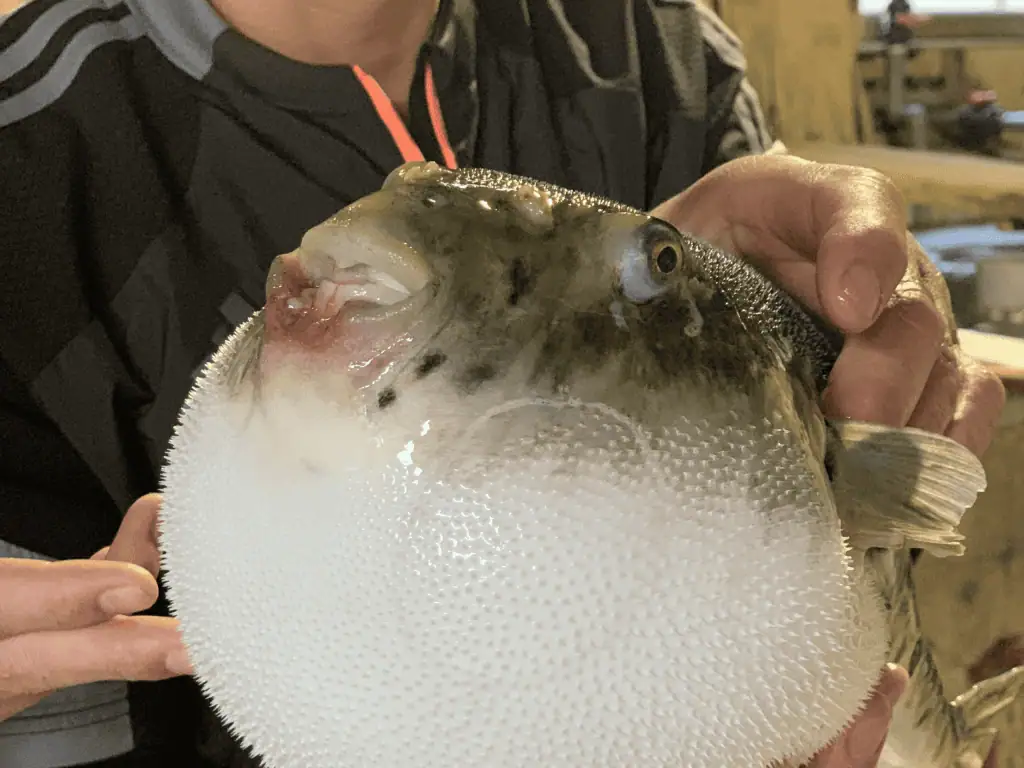
Fugu is one of Japan’s most famous delicacies, prepared only by licensed chefs who train for years to safely remove the poisonous parts. Its mild flavor and delicate, sashimi-style presentation make it a refined dining experience. The dish's rarity stems from both the skill required and strict regulations. Only certified restaurants are permitted to serve it, turning each tasting into a careful, ceremonial event.
Bird’s Nest Soup: Southeast Asia

Made from the edible nests of swiftlet birds, this prized delicacy is valued for its gelatinous texture and subtle sweetness. Harvesting the nests is labor-intensive, contributing to the soup’s high price and limited availability. Only specialty Chinese and Southeast Asian restaurants prepare it authentically. Its status as a luxury wellness food makes it both exotic and highly sought after.
Wagyu Beef Omakase: Japan & Select Global Spots
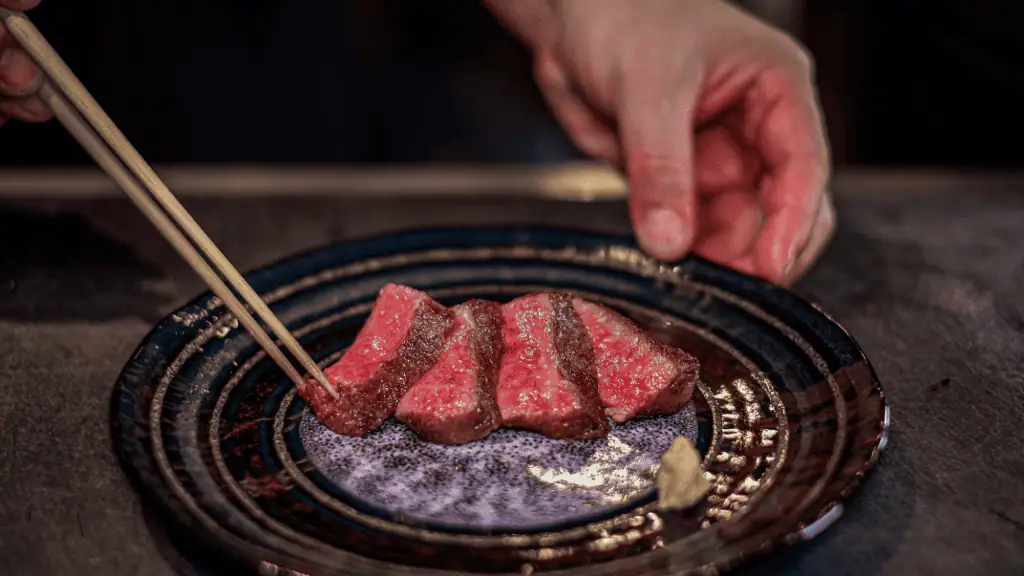
True Japanese wagyu served in omakase form, graded, sliced, and cooked in multiple styles, remains available only at select high-end restaurants with access to certified suppliers. The marbling, tenderness, and depth of flavor are unmatched. Because supply is tightly controlled, only a few chefs worldwide are licensed to serve the premium cuts. Diners travel specifically for this rare tasting experience.
Hákarl (Fermented Shark): Iceland
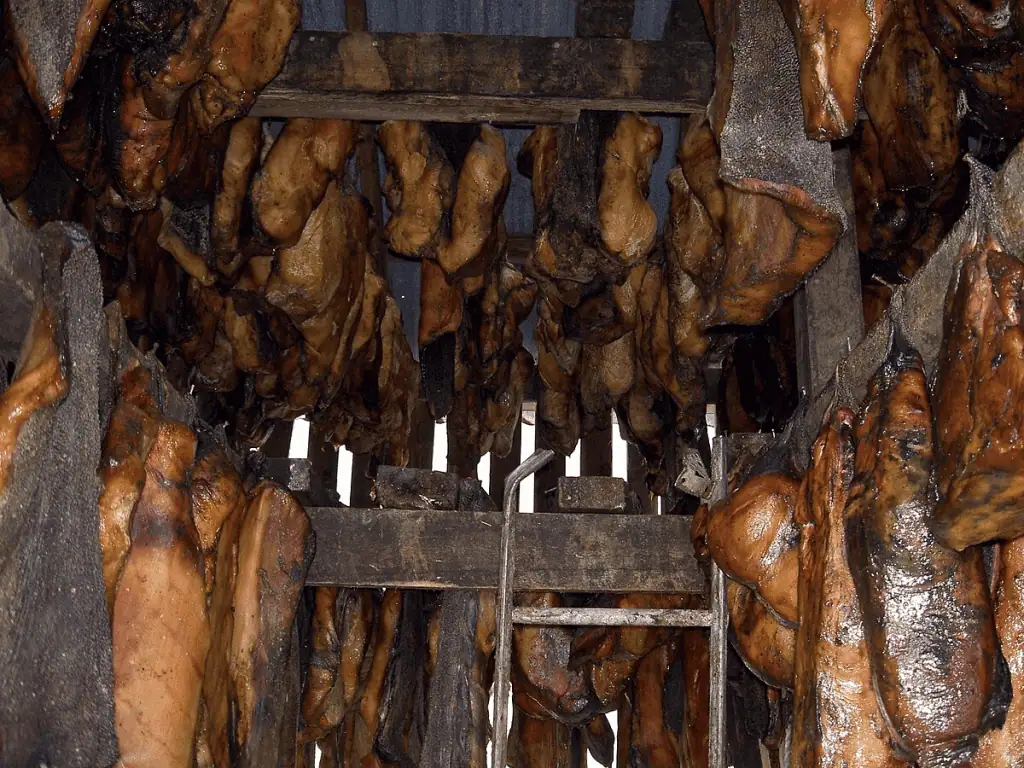
Hákarl is made from Greenland shark that undergoes a lengthy fermentation and drying process to make it safe to eat. Its ammonia-rich aroma and strong flavor make it one of the world’s most adventurous dishes. Only a small number of traditional Icelandic restaurants offer it, often as part of cultural tasting menus. Travelers consider it a rite of passage in Iceland’s bold food landscape.
Escamoles (Ant Larvae): Mexico
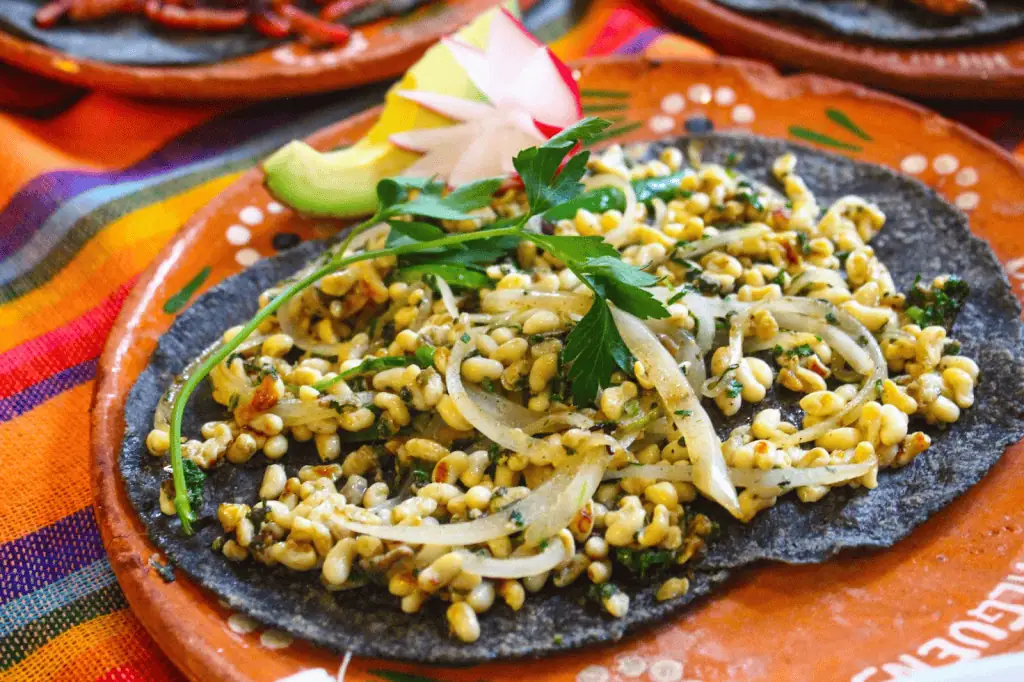
Known as “insect caviar,” escamoles are harvested from agave plant roots and prized for their buttery, nutty flavor. They’re extremely seasonal and difficult to gather, which limits where they can be served. Only select upscale Mexican restaurants prepare them authentically, often sautéed with herbs or butter. Their rarity and delicate texture make them a standout exotic dish.
Sea Cucumber Specialties: China & Japan
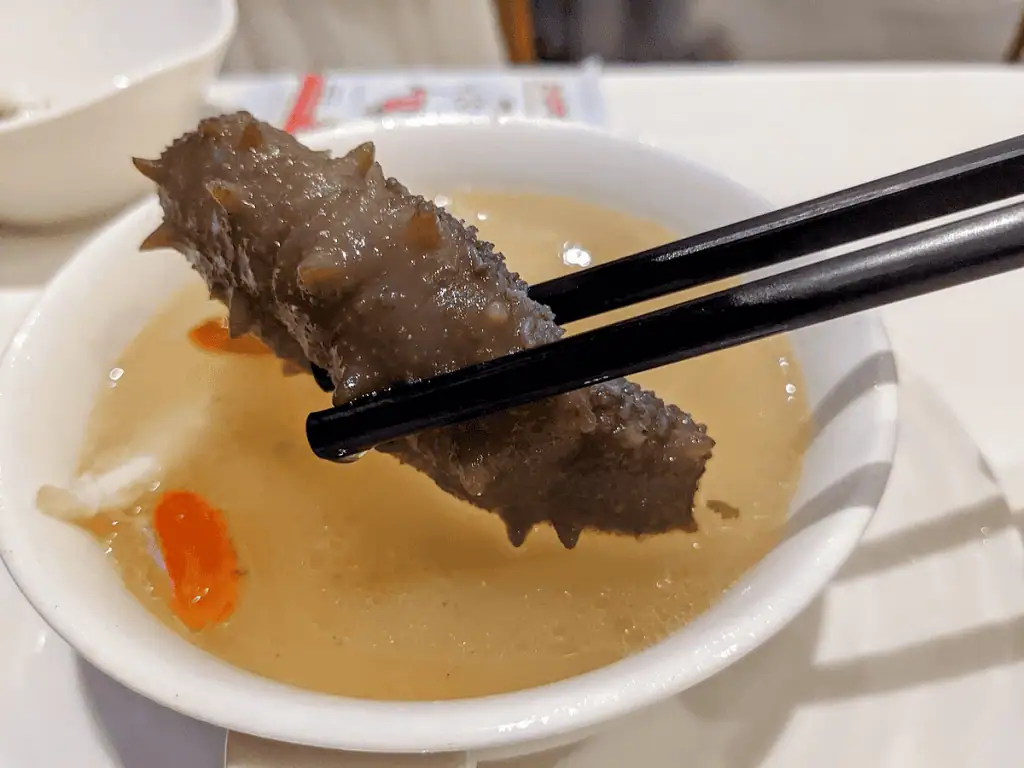
Sea cucumber is a luxury ingredient in East Asian cuisine, appreciated for its gelatinous texture and health symbolism. Preparing it properly requires hours of soaking, braising, and precise seasoning. Because only a few chefs master the process, it appears exclusively on specialty menus. The dish’s high cost and rarity elevate it to a ceremonial dining experience.
Truffle-Only Tasting Menus: Italy & France
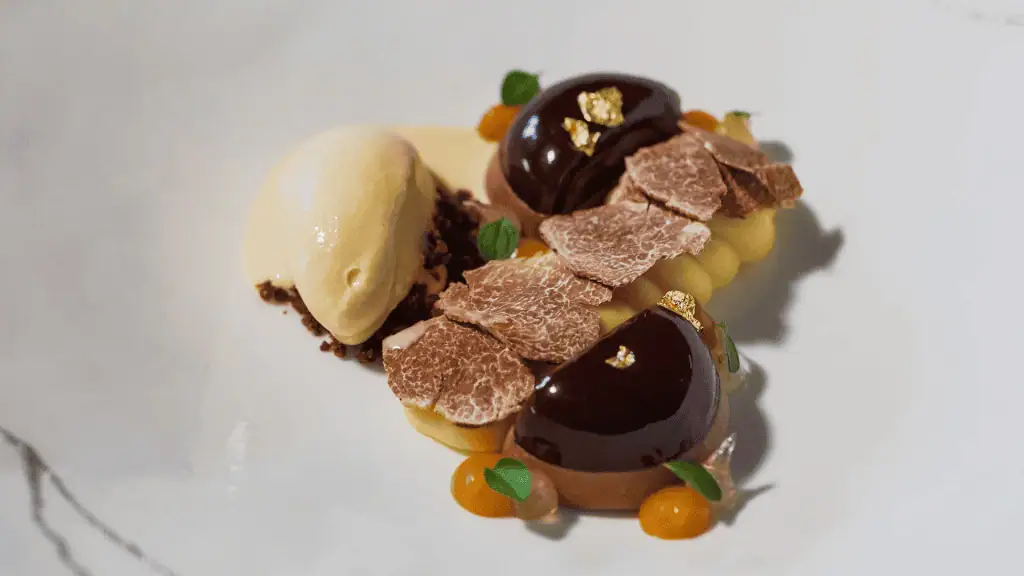
Select European restaurants offer truffle-centric tasting menus during short seasons, featuring dishes where rare white or black truffles are shaved generously over pasta, eggs, or risotto. These menus exist only where truffles are freshly sourced and handled by expert chefs. Their intense aroma, fleeting availability, and luxurious presentation make them one of the most exclusive food experiences in the world.


