
7 Pantry Staples That Stay Fresher on the Counter Than in the Fridge

Even though many people assume the fridge keeps everything fresher, some everyday pantry staples actually suffer when stored cold. Refrigeration can dull flavors, change textures, or trap unwanted moisture that speeds up spoilage. Several foods naturally preserve themselves better at room temperature, maintaining flavor, structure, and quality longer than they would in the fridge. Here are the staples that truly belong on your counter or pantry shelf not behind refrigerator doors.
Tomatoes

Whole tomatoes lose both flavor and texture in the refrigerator because cold temperatures damage their cell structure, making them mealy and watery inside. The chill also halts ripening, which stops their natural sweetness from developing. Keeping tomatoes on the counter helps them stay juicy, aromatic, and vibrant until you’re ready to use them. Only once they’re cut should tomatoes be refrigerated briefly to prevent bacterial growth.
Onions

Refrigeration creates a damp, humid environment that encourages onions to soften, sprout, or develop mold spots much faster than expected. Moisture seeps through their papery skins, causing them to break down and lose their sharp, savory flavor. Storing whole onions in a cool, dry, and well-ventilated area, like a pantry or countertop basket keeps them firm and fresh for weeks. Only peeled or chopped onions need refrigeration.
Garlic
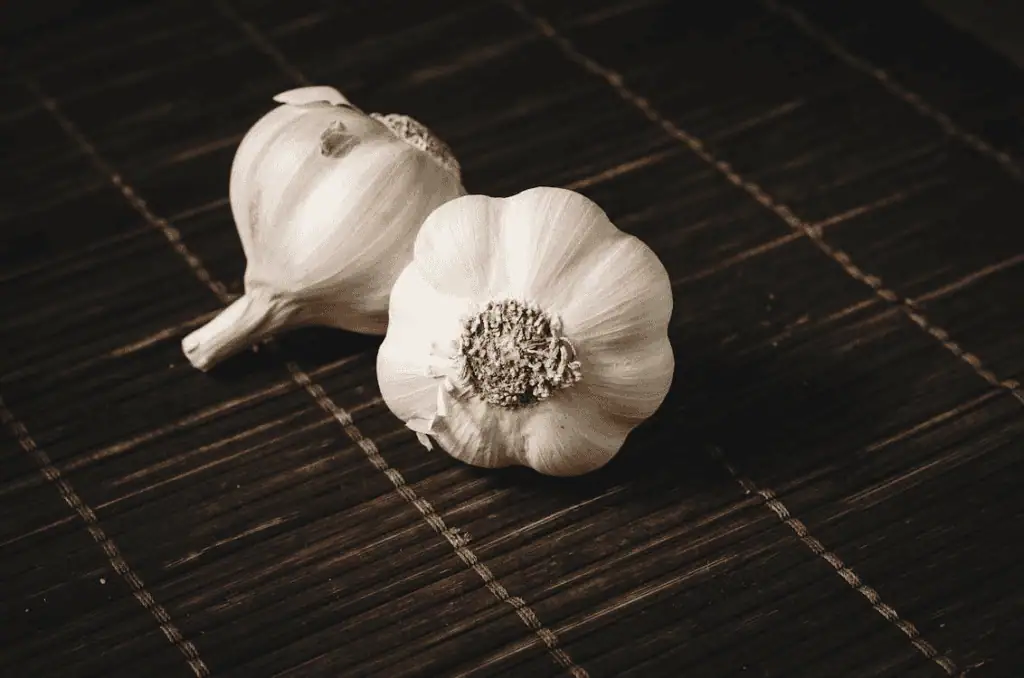
Garlic bulbs stored in the fridge tend to sprout quickly and lose their pungency as moisture penetrates the cloves. Cold air causes them to soften and develop a bitter, stale taste that affects your cooking. At room temperature, garlic stays dry, aromatic, and flavorful much longer, especially when placed in a breathable container. Proper pantry storage can keep an entire bulb fresh for several weeks without issue.
Potatoes
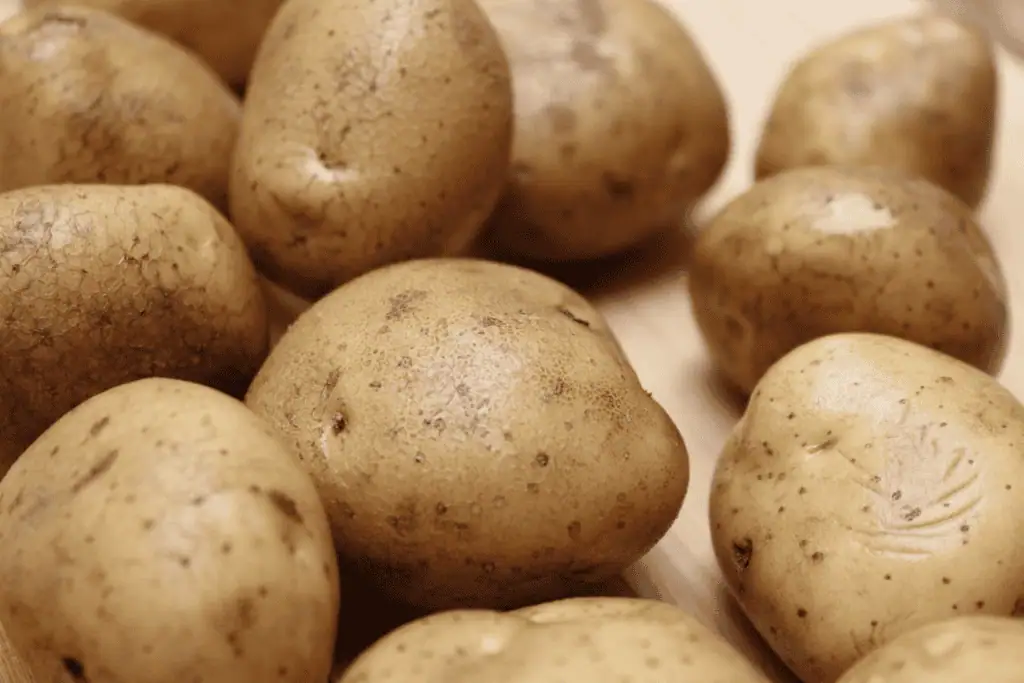
Potatoes undergo an unwanted chemical change in the fridge as the cold converts their natural starches into sugar. This leads to a strangely sweet taste, a gritty or mealy texture after cooking, and uneven browning during frying or roasting. The better method is keeping them in a dark, cool cabinet away from heat and sunlight. This environment preserves their firmness and earthy flavor until you’re ready to cook them.
Bread
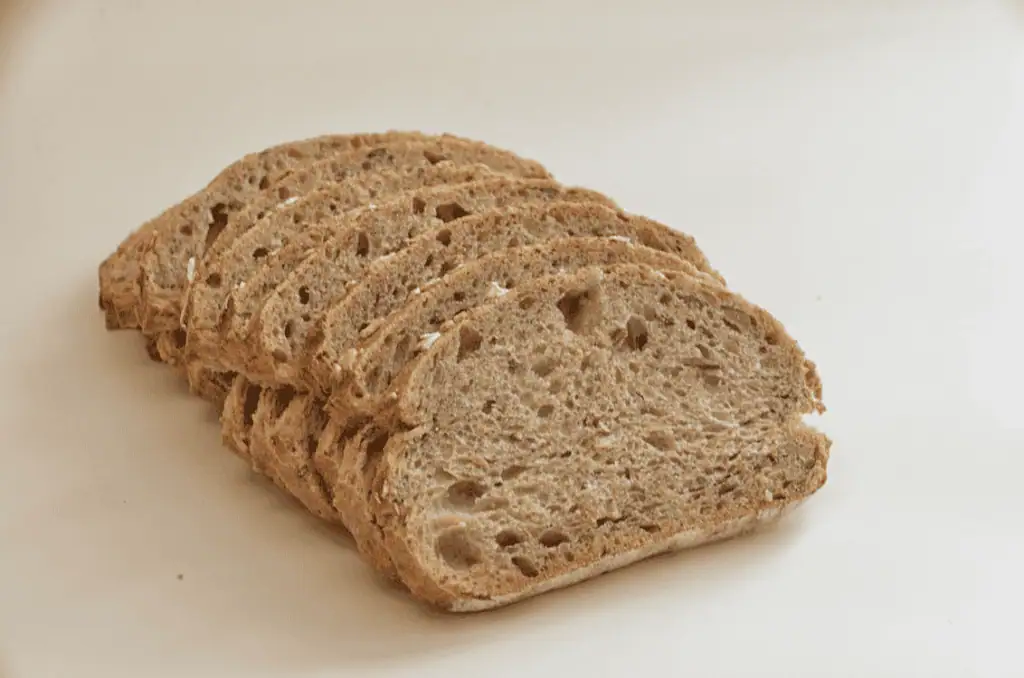
Although many people refrigerate bread to slow mold, the cold air drastically speeds up the staling process through starch crystallization. This makes bread dry, tough, and crumbly within a day or two. Keeping bread on the counter maintains its softness and flavor for several days, especially when stored in a loose wrapper or bread box. For long-term storage, freezing is the best way to retain texture not refrigerating.
Honey

Honey naturally resists spoilage due to its low water content and antibacterial properties, meaning it lasts indefinitely at room temperature. When refrigerated, however, honey crystallizes quickly, turning thick, grainy, and difficult to scoop. The cold accelerates sugar solidification that ruins its silky texture. Keeping honey sealed on the counter preserves its smoothness and ensures it stays pourable and flavorful for years.
Hot Sauce
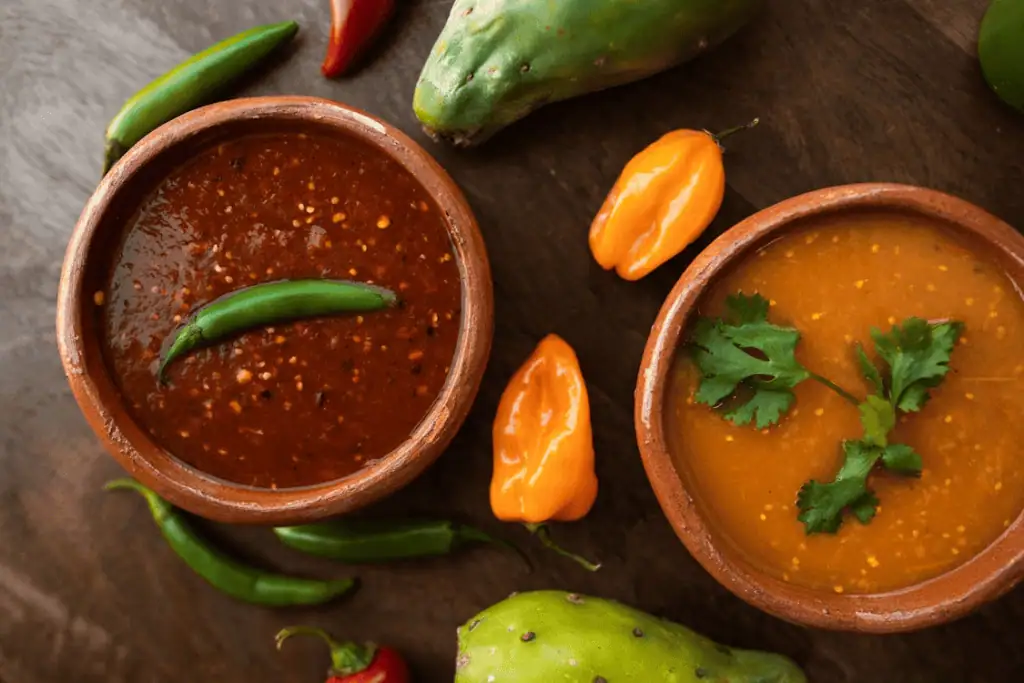
Most hot sauces are high in vinegar and salt two natural preservatives that keep them stable at room temperature even after opening. Refrigeration thickens the sauce, dulls the heat, and sometimes mutes the flavors that make it vibrant. Pantry storage keeps the texture smooth and the spice level consistent. As long as it’s sealed properly, hot sauce stays safe and delicious on the counter for months.


