
7 “Forever” Foods That Actually Go Bad Faster Than You Think

We all have those foods we treat like eternal pantry residents, honey, rice, or cooking oils that seem immune to time. But the truth is, even so-called “forever” foods have limits. Light, air, and moisture can quietly degrade flavor, texture, and even safety. What looks fine on the shelf might already be past its prime. Here are seven common staples that don’t last nearly as long as you think and how to keep them fresher, longer.
Olive Oil
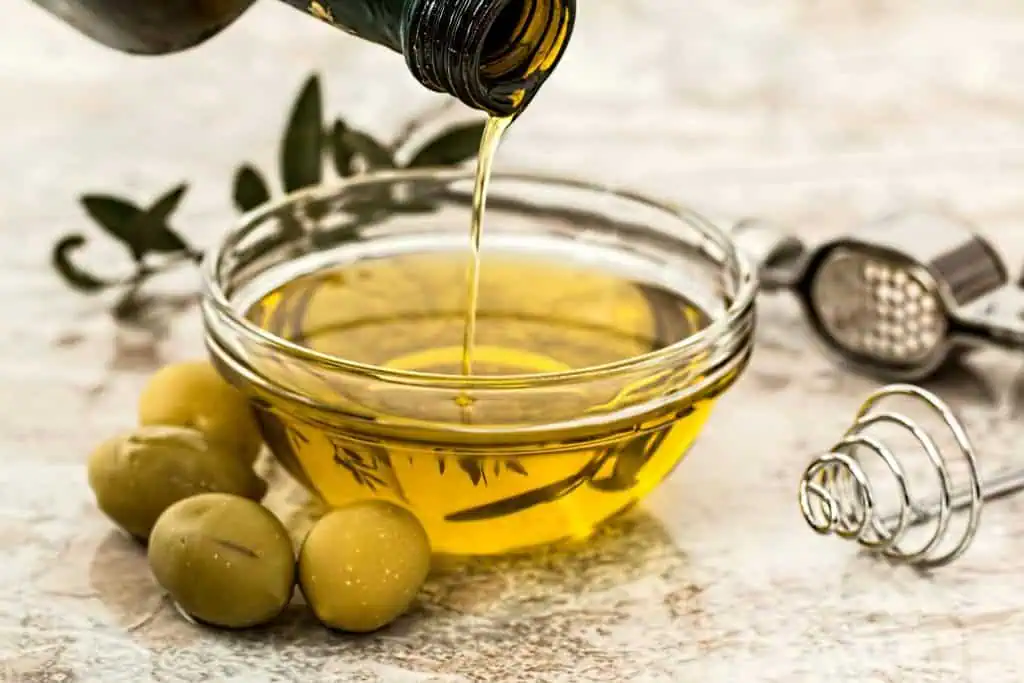
It may look timeless in its sleek glass bottle, but olive oil is surprisingly fragile. Exposure to light and heat breaks down its fats, turning the oil rancid within months. Even unopened bottles lose flavor over time. To preserve its richness, store olive oil in a cool, dark place and use it within six months of opening.
Brown Rice
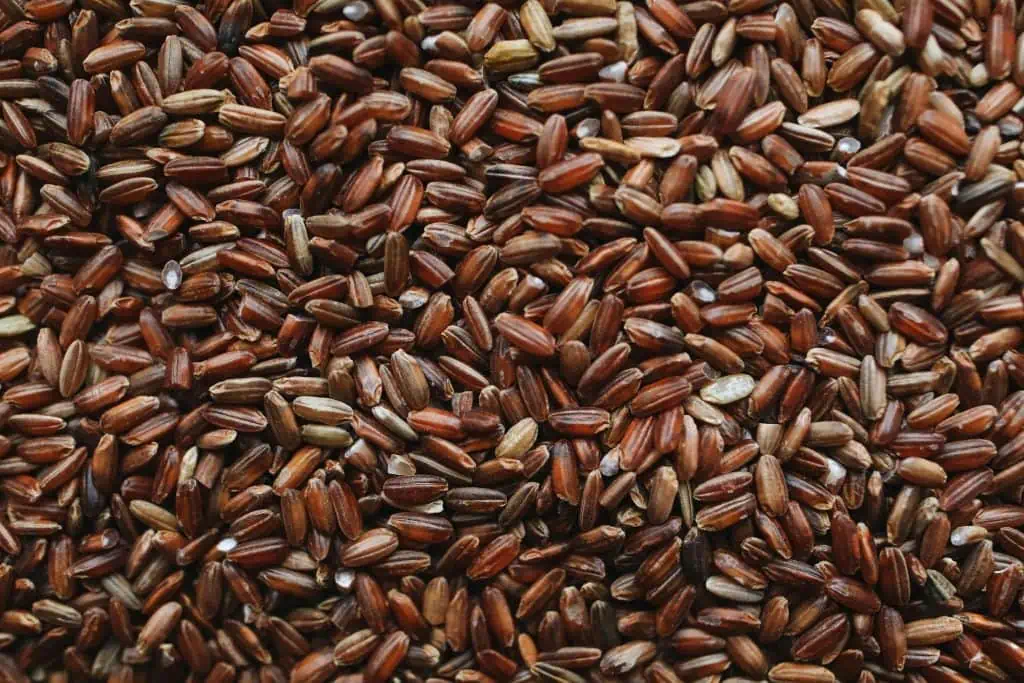
Unlike white rice, brown rice contains natural oils from the bran layer, which can spoil quickly. After about six months in the pantry, it can develop an off smell and bitter taste. Refrigerating or freezing it extends its life dramatically. This “healthy” rice is nutritious but not nearly immortal.
Whole Wheat Flour
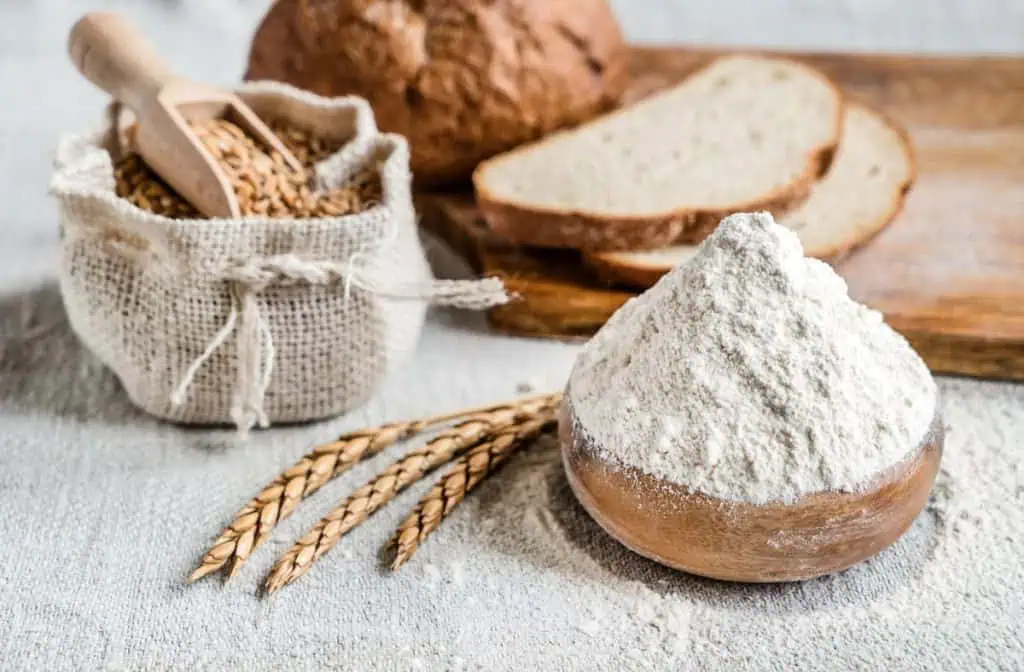
Many assume flour lasts indefinitely, but whole wheat flour’s natural oils cause it to go stale or rancid within a few months. Keep it in an airtight container in the fridge or freezer to preserve freshness. Regular white flour lasts longer, but even that benefits from cool storage.
Peanut Butter
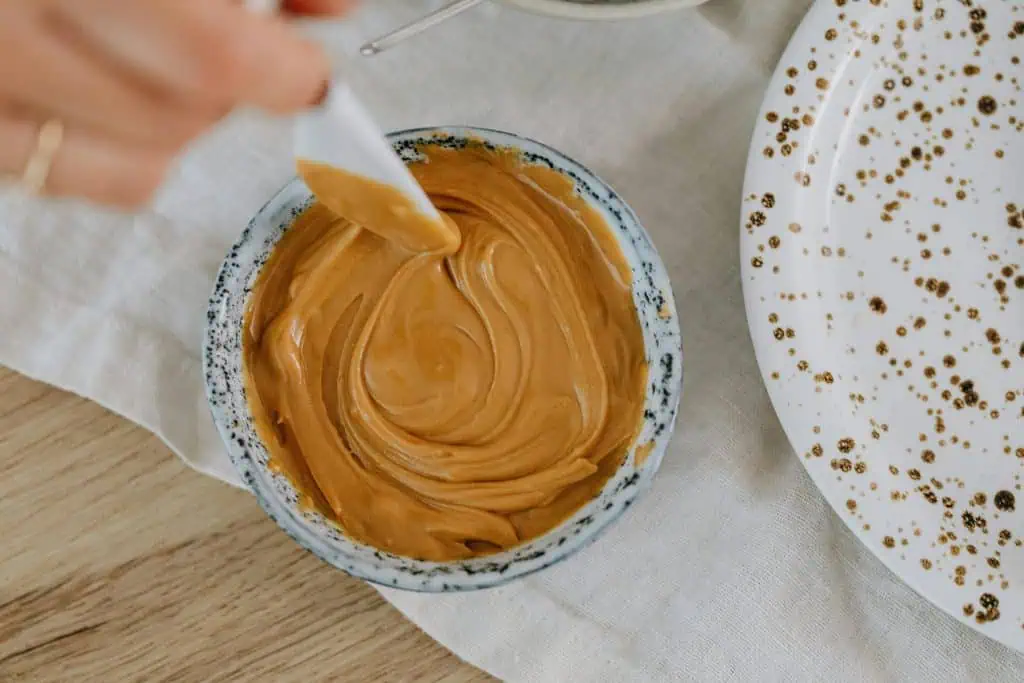
Even unopened jars of natural peanut butter can turn bad faster than you’d expect. Without preservatives, the oils separate and oxidize, giving it a sour taste. The best way to extend its life is to store it in the refrigerator and stir it before each use. Once opened, aim to finish within three months.
Spices
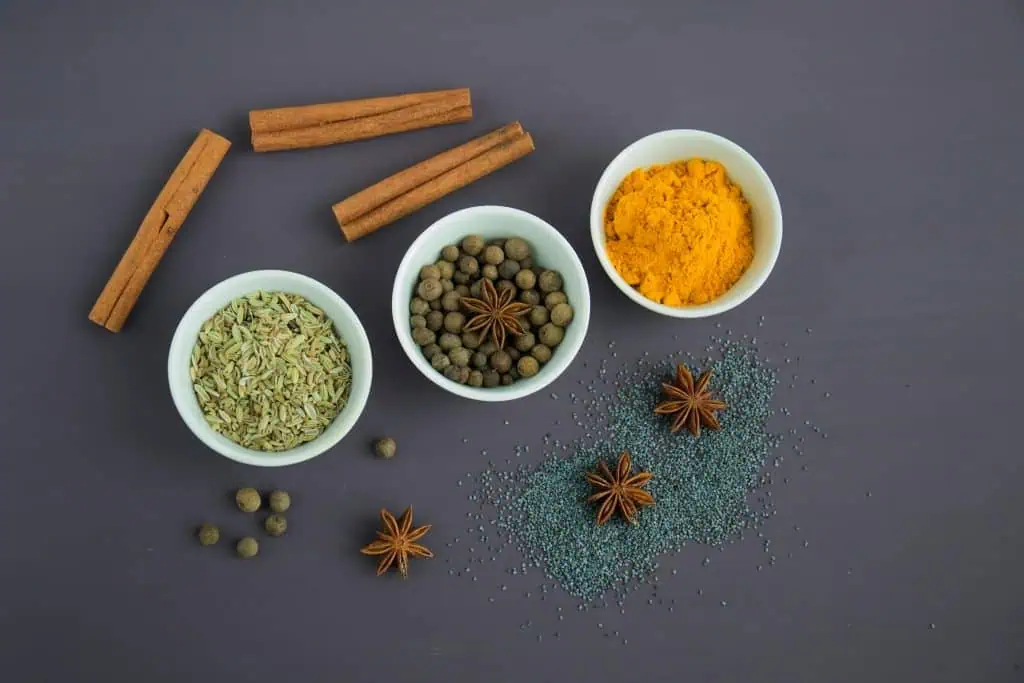
Those colorful jars on your spice rack don’t stay potent forever. Ground spices start losing flavor after six months, while whole spices fade after a year. Air and light dull their aroma, leaving your cooking flat. Keep spices sealed, away from sunlight, and restock them regularly for the best flavor.
Honey
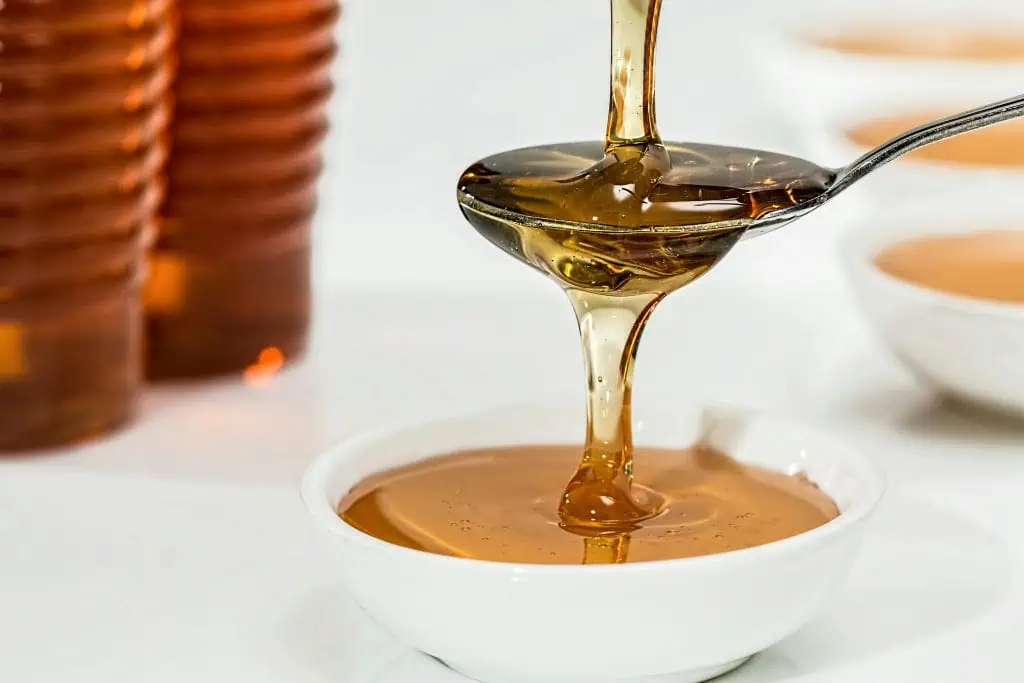
Honey’s long shelf life is legendary but not limitless. Over time, it can darken, thicken, and lose its floral notes. Moisture exposure can even cause fermentation. While crystallized honey is safe to eat, its quality declines. Store tightly sealed honey in a cool, dry spot and rotate your stash every year or two.
Dried Beans
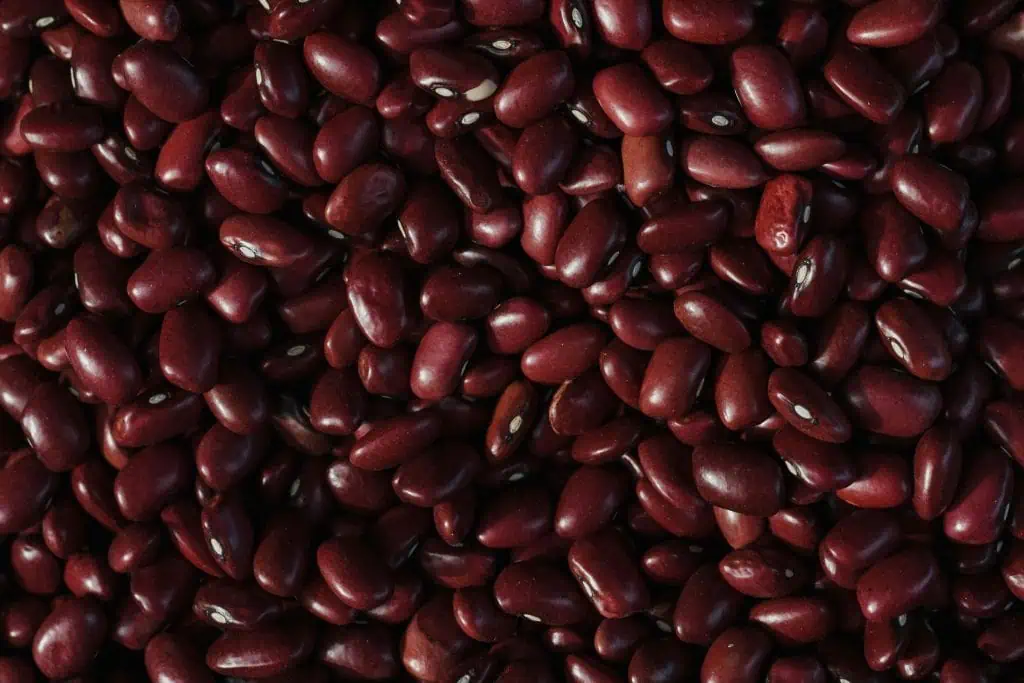
Dried beans may look indestructible, but old beans can become tough and cook unevenly. After a year or two, they lose moisture, making them nearly impossible to soften even after soaking. To keep them usable, store in airtight containers and buy in smaller batches you’ll actually finish.


