
7 Global Flavors Quietly Redefining the Meals Americans Eat Right Now

America’s dinner table is transforming not through flashy fusion trends, but through quiet integration. Ingredients once found only in specialty stores now appear in home kitchens and mainstream menus. The result is a softer, smarter globalization of flavor: spices, sauces, and condiments that slip seamlessly into familiar foods. These seven global tastes are redefining how Americans cook, season, and savor right now.
Gochujang (Korea)

This deep-red chili paste, made from fermented soybeans and rice, adds more than just heat. Gochujang brings a smoky-sweet complexity that’s now showing up in everything from burgers to barbecue marinades. Its slow burn and umami depth make it the modern alternative to standard hot sauce bold yet balanced.
Za’atar (Middle East)
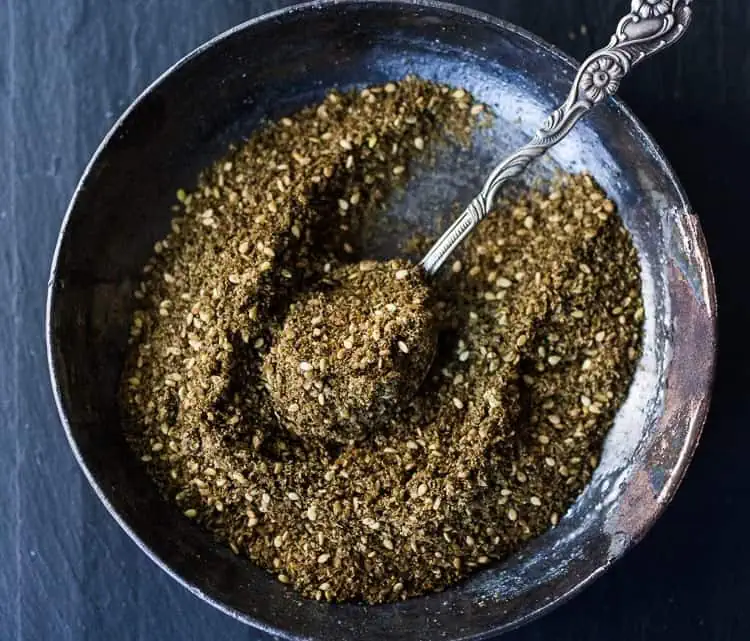
A blend of thyme, sesame seeds, and sumac, za’atar has quietly become a pantry favorite. Sprinkled over eggs, roasted vegetables, or bread, it delivers tangy warmth without overpowering. Its subtle earthiness and bright acidity reflect a growing love for Mediterranean simplicity and mindful seasoning.
Yuzu (Japan)
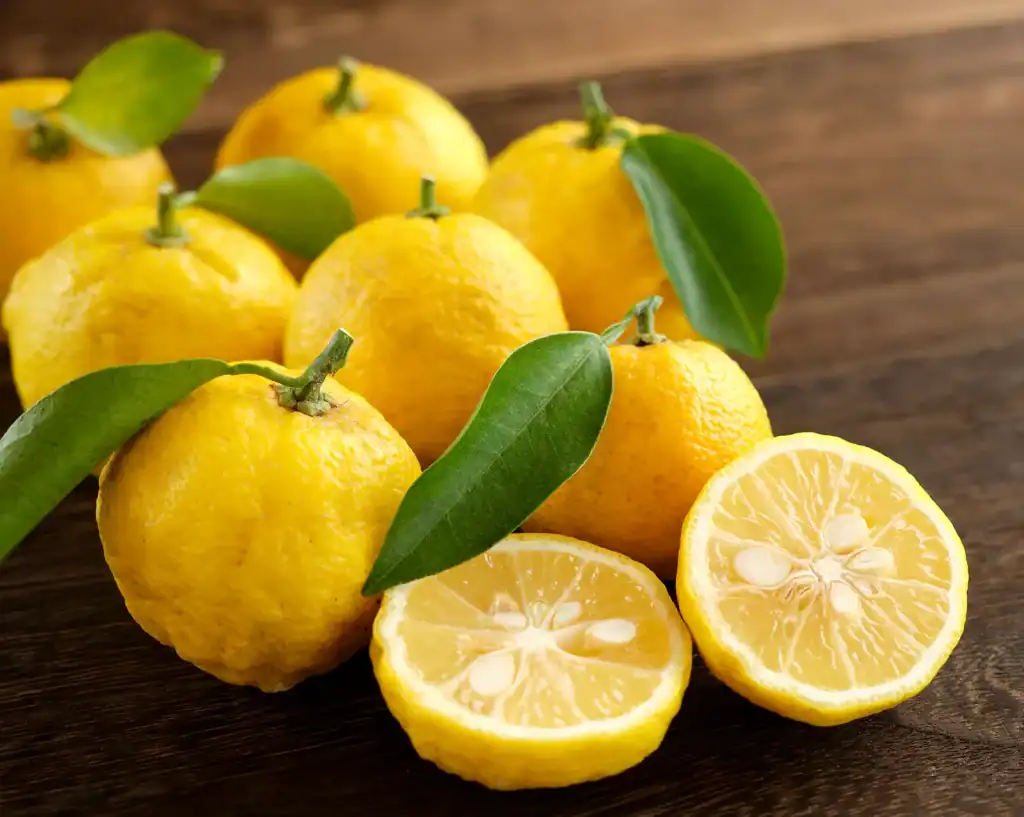
Tart, aromatic, and slightly floral, yuzu bridges citrus and perfume. Once reserved for high-end Asian dining, it now stars in dressings, cocktails, and desserts. Yuzu’s vibrant flavor elevates without excess a symbol of how Japanese minimalism has influenced the American palate with light, refined intensity.
Harissa (North Africa)
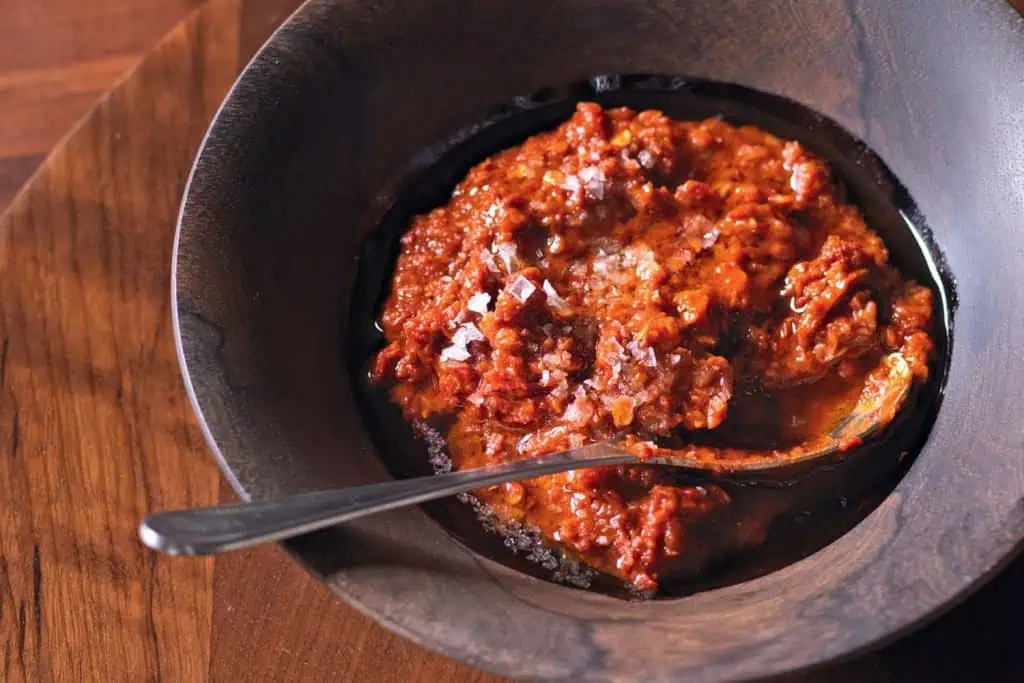
A fiery blend of chilies, garlic, and spices, harissa has become the secret weapon of flavor seekers. Used in everything from roasted meats to pasta, it adds smoky depth without bitterness. Its growing popularity signals a shift toward layered, earthy heat replacing one-dimensional spice with soulful warmth.
Tamarind (South Asia & Latin America)

Tamarind’s sweet-sour punch has long anchored cuisines from Mexico to India. Today, chefs use it in glazes, barbecue sauces, and cocktails for a tang that feels both exotic and familiar. Its comeback shows how acidity once limited to lemon or vinegar is expanding into new cultural expressions.
Chili Crisp (China)
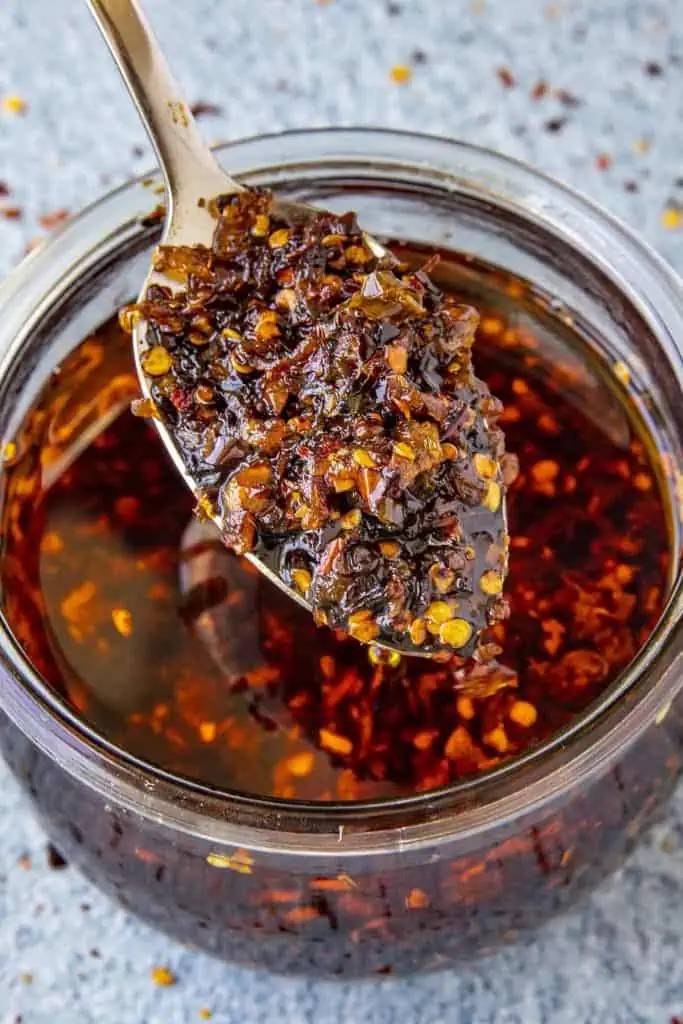
This crunchy, oil-based condiment has exploded in popularity thanks to its mix of spice, texture, and savoriness. Spoon it over eggs, noodles, or pizza, and it transforms the mundane into something electric. Chili crisp embodies the global snacking era fast, customizable, and irresistibly bold.
Smoked Paprika (Spain)

Milder than most chilies but rich in depth, smoked paprika turns simple dishes into complex comfort food. Its subtle heat and woodsy aroma have made it a staple for everything from stews to deviled eggs. The spice captures the essence of modern global cooking familiar, comforting, but infinitely more interesting.


