
10 Foods World War II Changed Forever in America

World War II sparked profound shifts in America's culinary landscape. As rations tightened and innovation surged, certain foods found new prominence or transformed entirely. From shelf-stable proteins to essential dairy substitutes, these changes altered both the way Americans cooked and the flavors they savored. Exploring these adjustments offers insight into how necessity influenced culinary evolution and shaped modern American cooking habits.
Spam: The Iconic Wartime Meat

Spam became a crucial protein source during World War II due to its long shelf life and portability. Made from pork shoulder and ham, it provided a reliable meat substitute when fresh options were scarce. The key to preparing Spam is to balance its saltiness. Searing slices until golden enhances its texture, adding a delightful crisp contrast to its soft interior. Pair it with rice or incorporate it into sandwiches, making it a versatile pantry staple that sustained many during lean times.
Powdered Milk's Emergency Rise
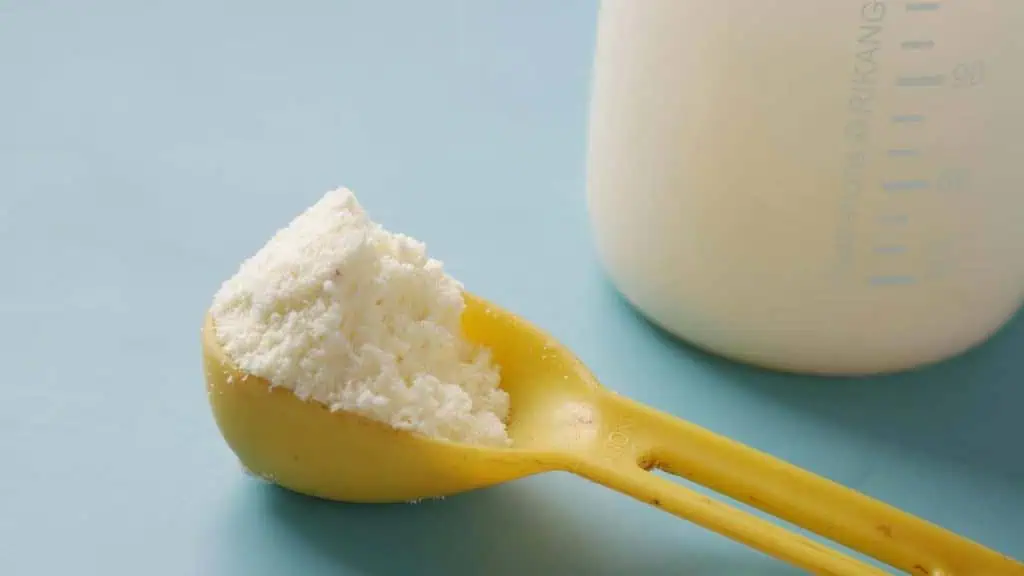
Powdered milk became indispensable during the war, offering a practical dairy alternative when fresh milk was limited. Its longevity and ease of transport made it especially appealing. Reconstituting powdered milk involves careful whisking with water to ensure a smooth, lump-free consistency. Use it in baking or as a base for creamy soups, where its neutral taste can shine. It's a testament to resourcefulness, transforming a challenging period into an opportunity for culinary adaptation.
Margarine's Butter Replacement Era

With butter rationed, margarine emerged as a crucial substitute, reshaping baking and cooking habits. Originally a blend of vegetable oils with a yellow hue achieved through coloring, margarine was versatile. When using margarine, emphasize temperature control, especially in baking, to mimic butter's behavior, such as creaming with sugar or laminating doughs. This adjustment not only conserved valuable ingredients but also introduced a new texture in pastries and spreads, marking a lasting change in baking culture.
Canned Vegetables: A Shelf Staple
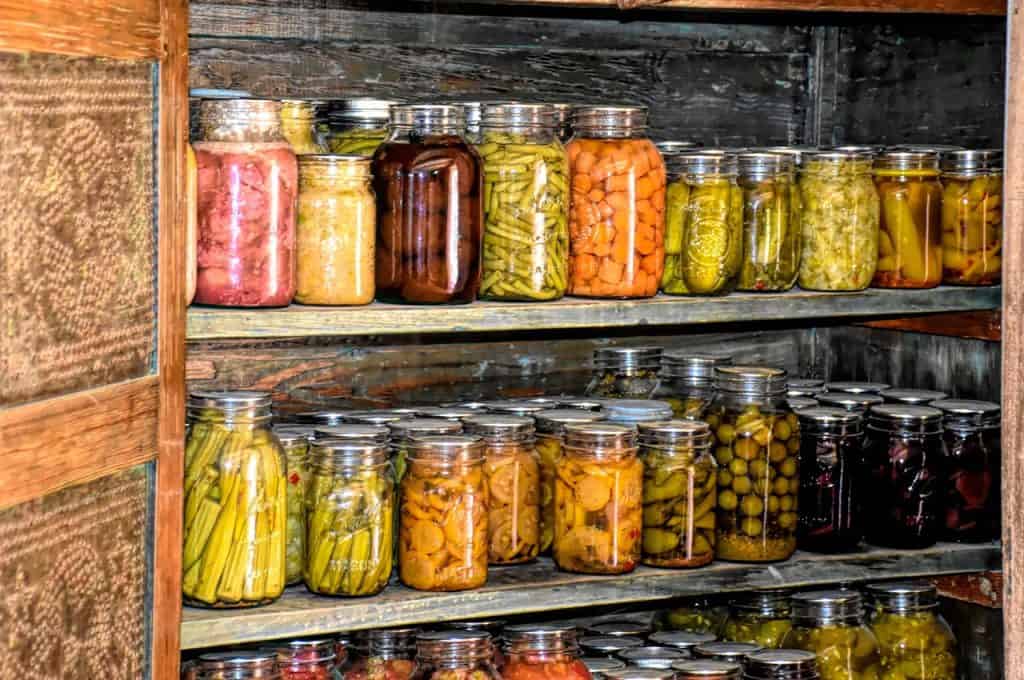
The war accelerated demand for canned vegetables, turning them into an essential pantry item. Their extended shelf life made them vital for families and troops alike. The key is to enhance their flavors and maintain texture. Quick sautéing with garlic or roasting can revive these vegetables, preventing them from becoming overly soft. Incorporate them into stews or casseroles, and season generously to bring out their natural sweetness. Canned vegetables exemplify wartime ingenuity, maintaining nutrition when fresh produce was a luxury.
Instant Coffee: A Quick Brew Revolution

During World War II, the need for quick caffeine solutions led to the widespread adoption of instant coffee. Its development allowed soldiers to enjoy coffee without brewing, and this convenience found its way into American homes post-war. The freeze-drying process preserves the coffee's essential oils, ensuring a robust flavor profile. To get the best result, use freshly boiled water and allow the coffee to steep for full taste development. Instant coffee's adaptability in cooking also adds depth to desserts like tiramisu and mocha cakes.
Corn Syrup's Sweet Solution
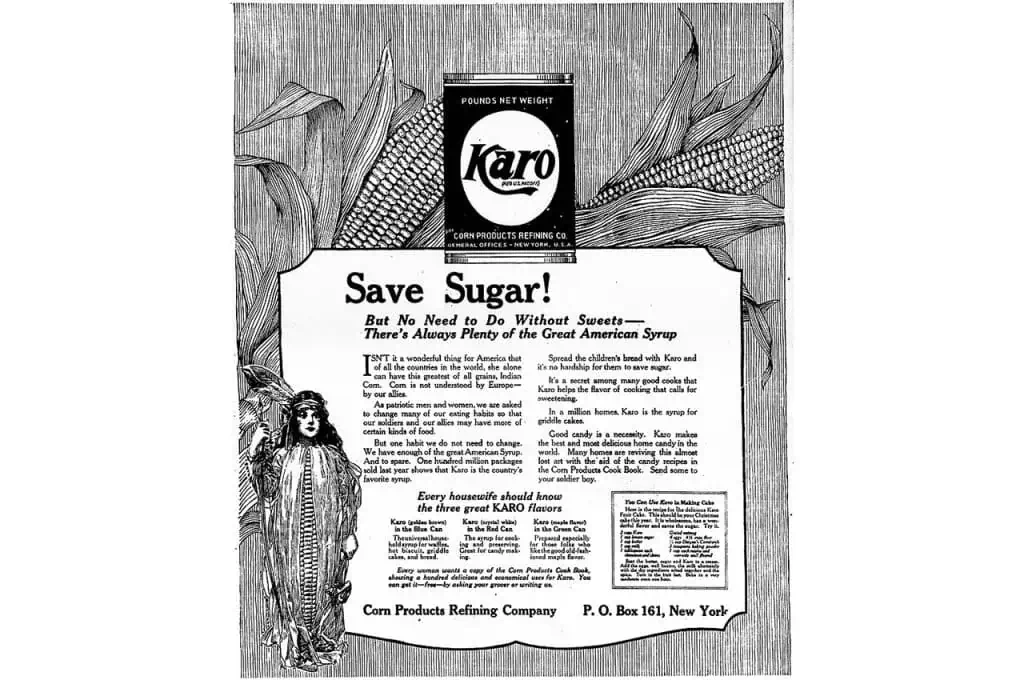
Corn syrup became a staple sweetener during World War II due to sugar shortages. Its viscosity and mild sweetness make it perfect for candies and baking, offering a smoother texture than granulated sugar. When using corn syrup, combine it with acidic ingredients like lemon juice to prevent crystallization. It's also ideal for creating chewy cookies and glossy glazes. Pay attention to temperature; overheating can affect the syrup's consistency. Its role in adding moisture keeps baked goods tender for longer.
Casseroles: The One-Dish Wonder
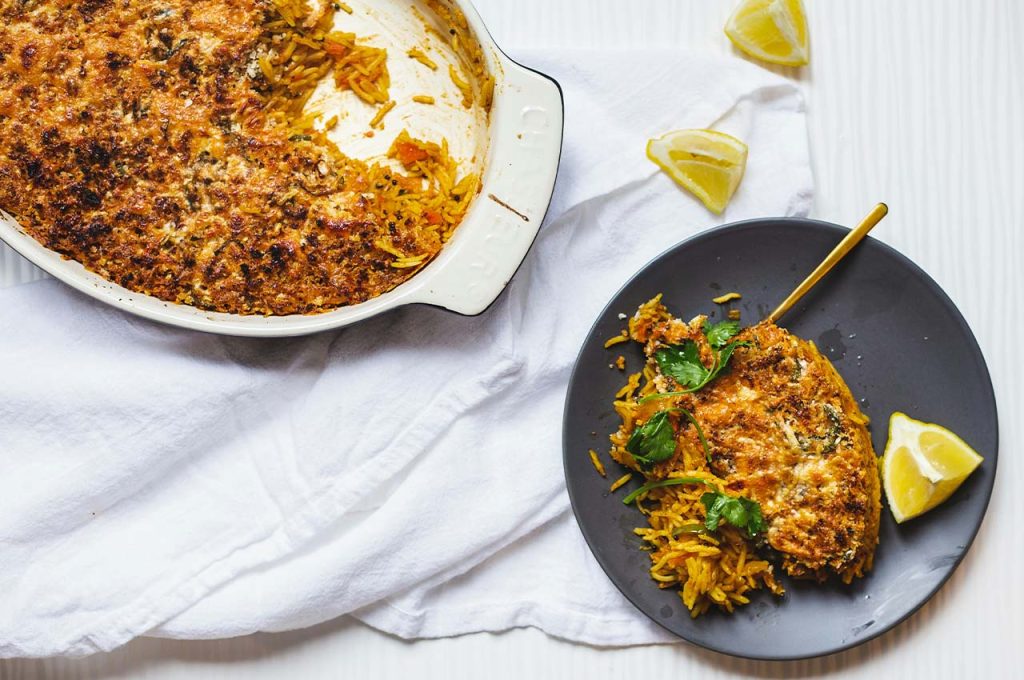
Casseroles gained popularity during World War II as a way to stretch limited ingredients. This one-dish meal uses layers to build flavors, combining proteins, vegetables, and grains. Consider texture variety by balancing creamy sauces with crunchy toppings like breadcrumbs. Using a moderate oven temperature allows even cooking, melding the flavors beautifully. Opt for a well-seasoned white sauce to enhance gentle components like chicken or vegetables. Casseroles provide leftover potential, improving as flavors meld overnight.
Processed Cheese's Chewy Legacy

Processed cheese, developed to have a longer shelf life, became a wartime necessity that turned into a household staple. Its meltability and mild flavor are perfect for classic recipes like grilled cheese sandwiches and macaroni. For optimal texture, use low heat to ensure smooth melting without separation. Incorporate into dishes needing a creamy finish, leveraging its ability to bind ingredients in casseroles or sauces. Recognize its emulsifying properties, perfect for achieving silky textures in cheese-based soups.
Frozen Dinners: Convenience on Ice

Introduced post-World War II, frozen dinners offered convenience and ease, becoming a quick meal solution for many Americans. Flash-freezing technology retains food quality, preserving texture and flavor. For best results, preheat your oven or microwave thoroughly to ensure even cooking. Explore varieties that include a balance of proteins and vegetables to maintain nutritional value. It's advisable to examine cooking instructions carefully, as overcooking can lead to a loss of texture, particularly with vegetables.
Victory Gardens: Homegrown Savvy

Victory Gardens became a symbol of self-sufficiency during WWII, encouraging Americans to cultivate their own produce and reduce reliance on commercial sources. This movement taught valuable gardening techniques, such as crop rotation and composting, to maximize yield in small spaces. Leafy greens like kale and chard thrived, as did root vegetables like carrots and beets. These choices offered versatility and nutrition, proving essential during rationing. Fresh produce also inspired home cooking innovations, leading to simple yet flavorful dishes that enhanced the culinary landscape.


