
Gen Z’s Flavor Fix: The Global Snacks and Trends Redefining America’s Taste Buds

For Gen Z, food isn’t just sustenance it’s self-expression. This generation grew up online, exposed to every flavor trend from Seoul to São Paulo, and now they’re bringing global snacks to mainstream America. Social media has made trying new foods a shared experience, with viral crossovers, mukbangs, and “snack hauls” inspiring millions. In 2025, America’s taste buds have officially gone international thanks to Gen Z’s adventurous appetites.
Korean Corn Dogs Take Center Stage

Once a niche Korean street food, corn dogs covered in crisp batter, sugar, and stretchy mozzarella have become a viral obsession. TikTok videos of cheese pulls and ASMR crunch turned them into a must-try for young foodies. U.S. chains like Two Hands and My Uncle’s Corn Dog now attract lines for flavors like potato-crusted or hot Cheeto-coated versions, merging global street food with American fair nostalgia.
Chili Mango Everything
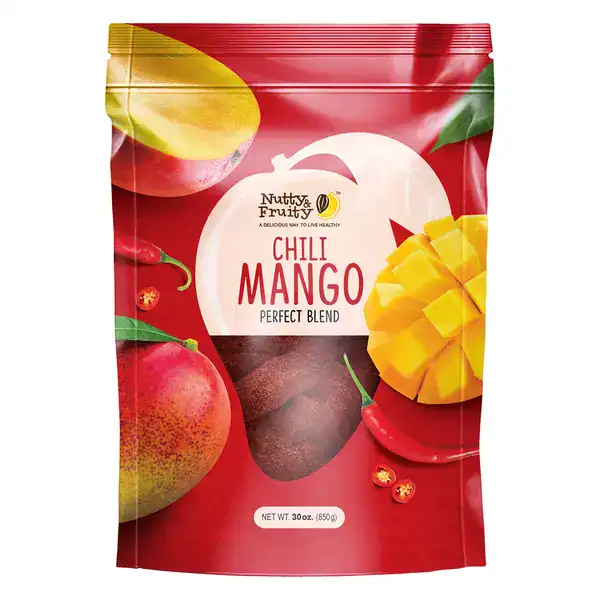
Spicy-sweet fusion is Gen Z’s signature flavor. The chili-mango trend rooted in Latin American street snacks now appears in chips, gummies, and energy drinks. Major brands are adapting, adding tajín-style seasoning to snacks and frozen treats. The blend of heat, tang, and fruitiness mirrors Gen Z’s taste for contrast and adventure, and its bright color palette makes it a natural fit for social-media aesthetics.
Japanese Convenience Culture Goes Mainstream

Gen Z’s fascination with Japanese food culture extends beyond sushi. The rise of onigiri, mochi ice cream, and bento-inspired lunches reflects their love for portable, aesthetic meals. Convenience store snacks from Japan like savory rice crackers and matcha-filled sweets have become cult favorites online. The #konbini trend, inspired by Japan’s 24-hour convenience stores, shows how functionality and flavor can coexist beautifully.
Global Chips and Crossover Collabs

From Mexican street corn Lay’s to Thai sweet-chili Doritos, global-inspired chips are booming. Limited-edition collabs between snack brands and international chefs have become marketing gold. Gen Z hunts these releases like collectibles, sharing reviews on TikTok and YouTube. The appeal goes beyond taste, it’s cultural curiosity, a way to travel the world through every crunch.
Bubble Tea Meets Fast Food
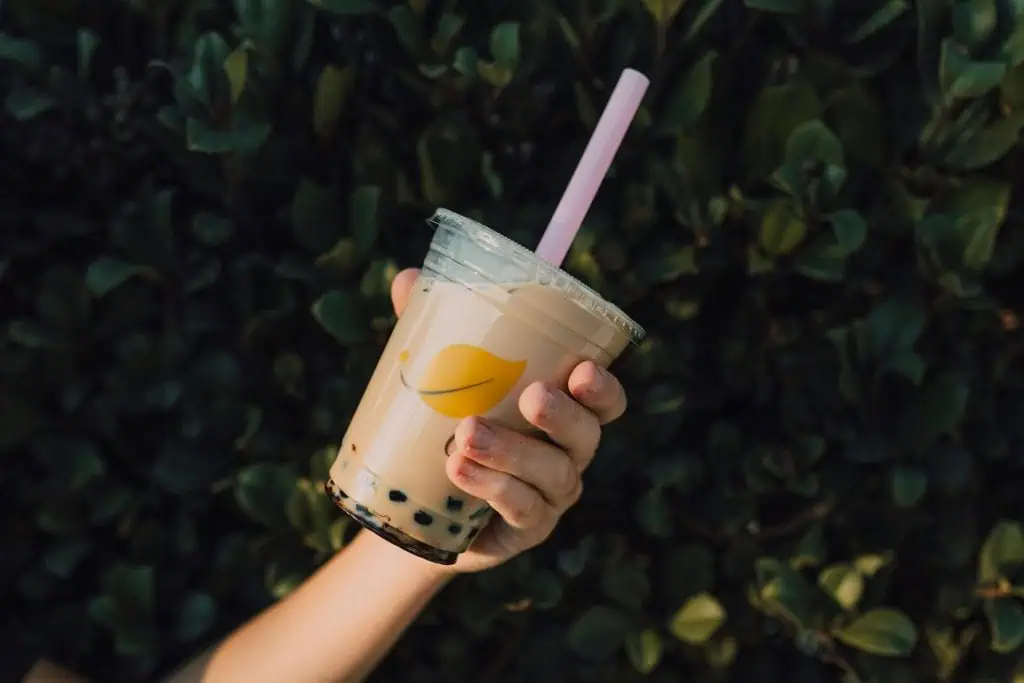
Bubble tea, or boba, has gone from niche to nationwide thanks to Gen Z’s demand for customizable drinks. Now, fast-food chains are jumping in with bubble-tea-style crossovers: Dunkin’ tested popping-boba refreshers, while Sonic added chewy “burst pearls.” The drink’s visual flair colorful layers, gradient swirls, and fun textures fits perfectly with the generation’s love of interactive, photogenic food experiences.
The Rise of “Snack Hybrids”

Gen Z blurs food categories for fun. Think croissant-waffles, ramen tacos, and mochi donuts global mashups that trend because they surprise the eye and palate. Pop-ups and food trucks thrive on these fusions, often going viral before major brands catch on. For this audience, the weirder the combo, the better as long as it’s shareable and tastes amazing.
Flavor as Identity
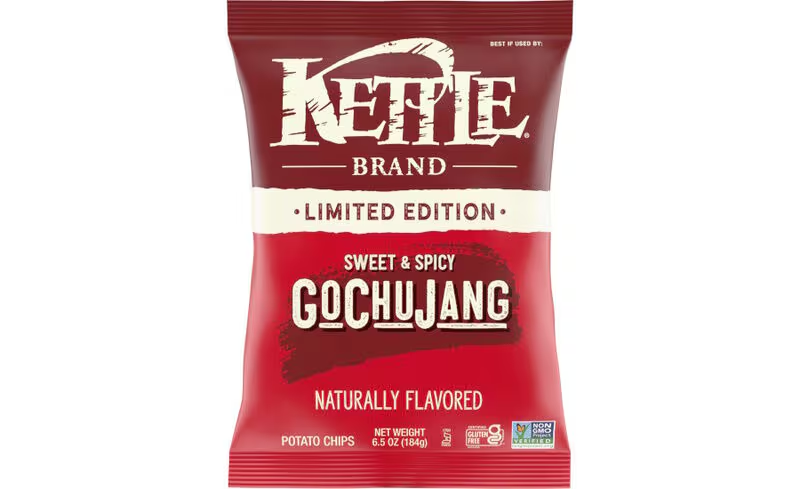
For Gen Z, flavor experimentation is cultural storytelling. They celebrate diversity by tasting it through snacks that represent different heritages and communities. Whether it’s Korean gochujang chips, Filipino ube pastries, or Mexican chamoy drinks, flavor has become a form of inclusivity. In 2025, American snacking is no longer about comfort, it’s about connection, curiosity, and a passport on your tongue.


