
10 Ways Tech Is Quietly Powering Food Service Growth

Behind your favorite restaurant meal or drive-thru order lies an invisible layer of tech. From AI-powered kitchens to predictive inventory and app-based loyalty programs, technology is quietly revolutionizing food service. What was once about great taste and fast service is now a seamless ecosystem of automation, analytics, and personalization. Here are ten ways technology is quietly fueling growth in the restaurant industry and redefining how we order, eat, and experience food.
App Ordering and Smart POS Integration

Mobile apps have transformed dining into a personalized experience. Whether it’s Starbucks’ custom drink builder or McDonald’s loyalty app, digital ordering systems connect directly to smart POS platforms, minimizing errors and tracking preferences in real time. Restaurants can instantly sync orders to the kitchen, shorten queues, and personalize promotions. These platforms also generate rich customer data, which brands use to refine offers and streamline service.
Delivery Optimization and Route Intelligence
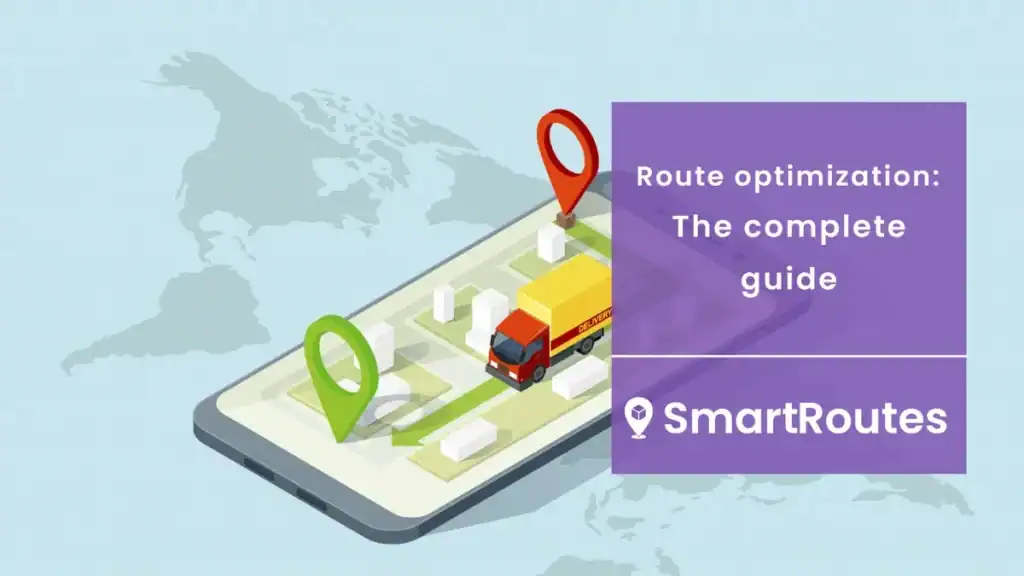
Once an order is placed, AI takes the wheel. Smart routing algorithms factor in traffic, driver locations, and kitchen prep times to ensure every meal arrives hot and on schedule. Domino’s patented tracker system remains a gold standard giving real-time updates from “baking” to “out for delivery.” This optimization not only improves accuracy but also saves costs and enhances sustainability through more efficient routes.
QR Code Menus and Dynamic Displays

Touchless QR menus exploded during the pandemic and they’re here to stay. Customers now browse, order, and pay without waiting for servers. Meanwhile, restaurants like McDonald’s are pushing dynamic digital boards that adjust automatically based on time of day, weather, or even local inventory. This combination of data and design makes ordering faster, cleaner, and more relevant than ever.
Robot Kitchens and Automated Prep

Automation is stepping into the kitchen. Robot arms flip burgers, automated fryers monitor oil temperatures, and salad stations measure portions with precision. These smart systems maintain consistency while freeing human staff for creativity and hospitality. Chains like Sweetgreen and White Castle are already testing robotics that can operate around the clock boosting productivity without sacrificing quality.
Smart POS Systems with Real-Time Analytics

Modern point-of-sale systems are now powerful data engines. They track sales trends, staffing performance, and menu insights across thousands of transactions. Managers can identify top sellers or wasted inventory instantly, adjusting on the fly. The result is a smarter, more agile kitchen that responds to demand as it happens, rather than reacting afterward.
Loyalty Programs and Data-Driven Personalization

Your “free coffee after 5 visits” is powered by big data. Loyalty analytics turn casual diners into repeat customers by predicting behavior and tailoring offers. Chick-fil-A, Starbucks, and Panera use loyalty programs to track purchase history and push personalized rewards. The more customers engage, the more precise the recommendations become deepening brand relationships while driving repeat sales.
Predictive Restocking and Smart Inventory
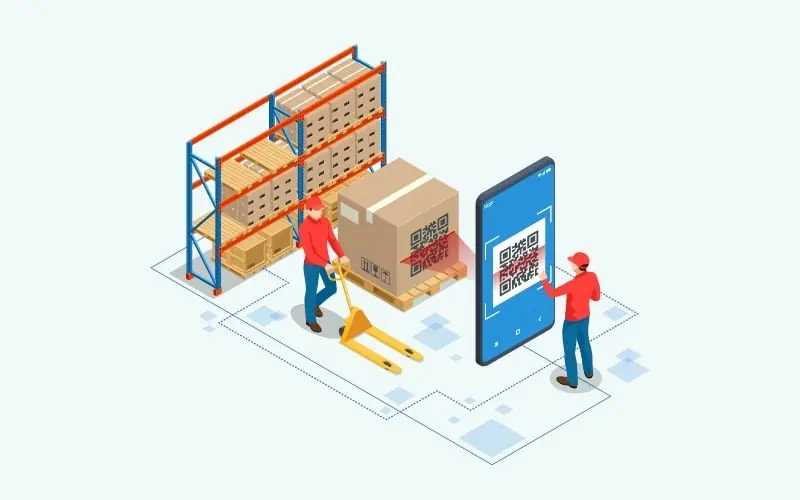
Restaurants are embracing predictive analytics to restock ingredients automatically. AI models forecast demand using sales data, weather, and even nearby events. A pizza shop, for example, can know exactly how much dough or pepperoni to prepare before Friday rush hour hits. This technology reduces waste, prevents shortages, and keeps shelves stocked efficiently a win for both sustainability and profit margins.
Computer Vision for Quality Assurance
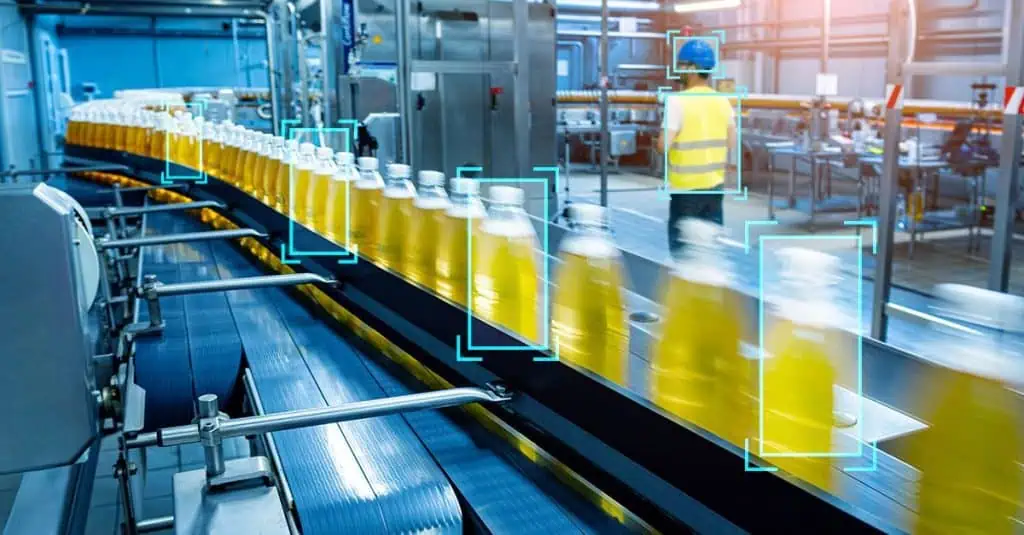
Quality control is getting smarter. Domino’s uses its DOM Pizza Checker, an AI camera system that scans pizzas for topping coverage and shape before delivery. If it spots an imperfection, it triggers a remake no human inspection required. These systems ensure consistent quality, boost customer trust, and reduce refunds due to errors.
AI-Driven Drive-Thrus

Drive-thru innovation is speeding ahead with voice AI and automation. Panera’s “Tori”, an AI assistant, takes orders at the speaker while staff focus on preparation. McDonald’s has also integrated automated order-ahead lanes and conveyor delivery systems in pilot locations. These systems learn speech patterns, upsell relevant items, and deliver faster, more accurate service during peak hours.
Predictive Maintenance and IoT Sensors
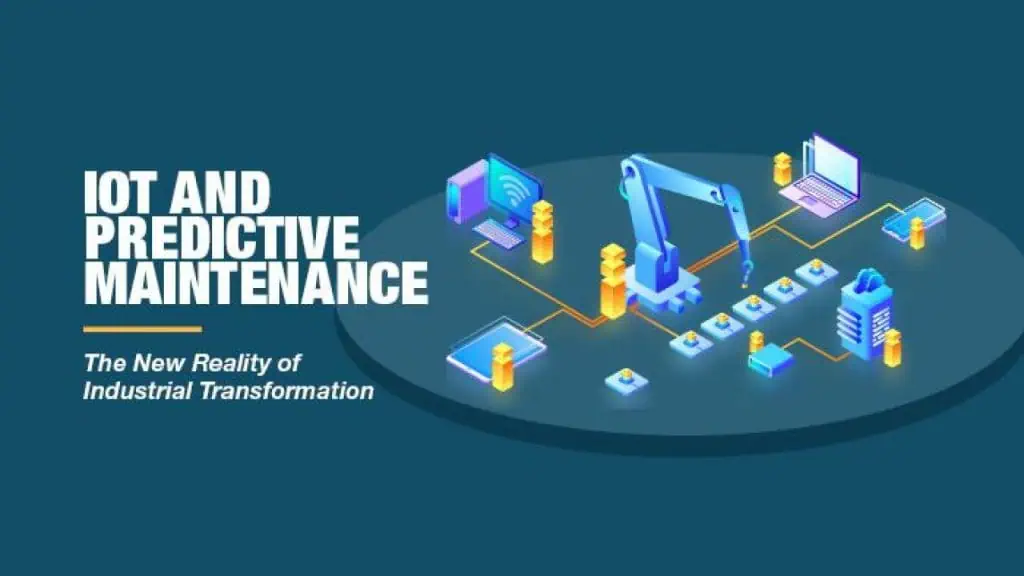
Restaurants now rely on Internet of Things (IoT) sensors to keep equipment running efficiently. Smart monitors track fryers, coolers, and ovens in real time, alerting managers before issues cause downtime. Combined with predictive maintenance software, this tech reduces costly repairs, energy waste, and food spoilage keeping operations smooth and sustainable behind the scenes.


