
How Food Became the New Obsession After 2020

In recent years, the art of cooking has captured the hearts of many, transforming kitchens into arenas of culinary exploration. As we delve into how food became an obsession post-2020, we observe the shift from mere sustenance to a passionate pursuit of flavors and techniques. This emerging trend reflects not only personal taste but a broader cultural shift towards understanding and appreciating the process behind each dish.
The Pandemic Kitchen Revolution

The pandemic brought an unprecedented opportunity for many to explore cooking at home. As routines shifted, so did culinary pursuits. With more time on hand, individuals began experimenting with recipes, honing skills, and rediscovering the joy in creating meals from scratch. This period encouraged the use of accessible yet versatile ingredients, fostering a new era of creative, at-home gastronomy.
Comfort Food as Emotional Therapy

In times of uncertainty, comfort food became a refuge, embodying familiarity and nostalgia. People gravitated toward dishes rich in flavor and history, like a well-executed mac and cheese or a hearty stew. These meals, deeply rooted in cultural and familial traditions, offered solace and a sense of normalcy, highlighting the emotional connection between food and well-being.
Social Media: Meals into Moments
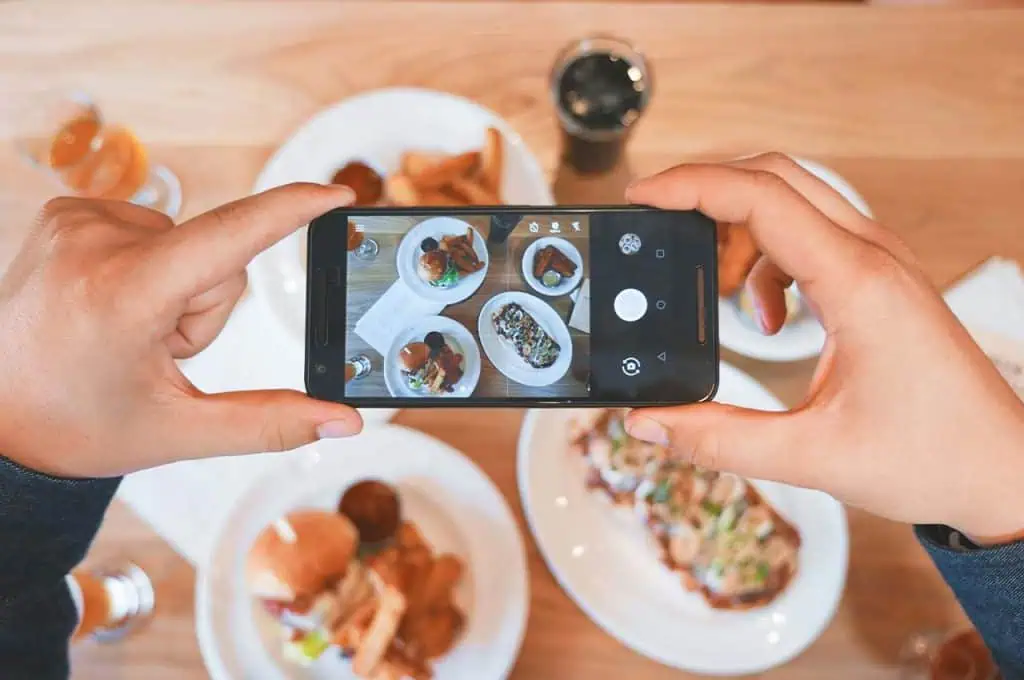
Social media turned everyday meals into shareable experiences, amplifying the cultural shift towards food appreciation. Platforms like Instagram and TikTok enabled home cooks to showcase their culinary creativity, converting meals into visually appealing stories. This digital engagement inspired others, fostering a community built on shared recipes and culinary successes, sparking a collective excitement for cooking.
The Rise of Home Bakers and Sourdough

The post-2020 era saw a resurgence of home baking, with sourdough leading the charge. This practice provided both a meditative process and a rewarding outcome. Mastering the nuances of fermentation, from the perfect starter to achieving the ideal crust, captured the imagination of many. This baking revival underscored a return to traditional techniques, celebrating patience and perseverance.
From Fast Food to Slow Living
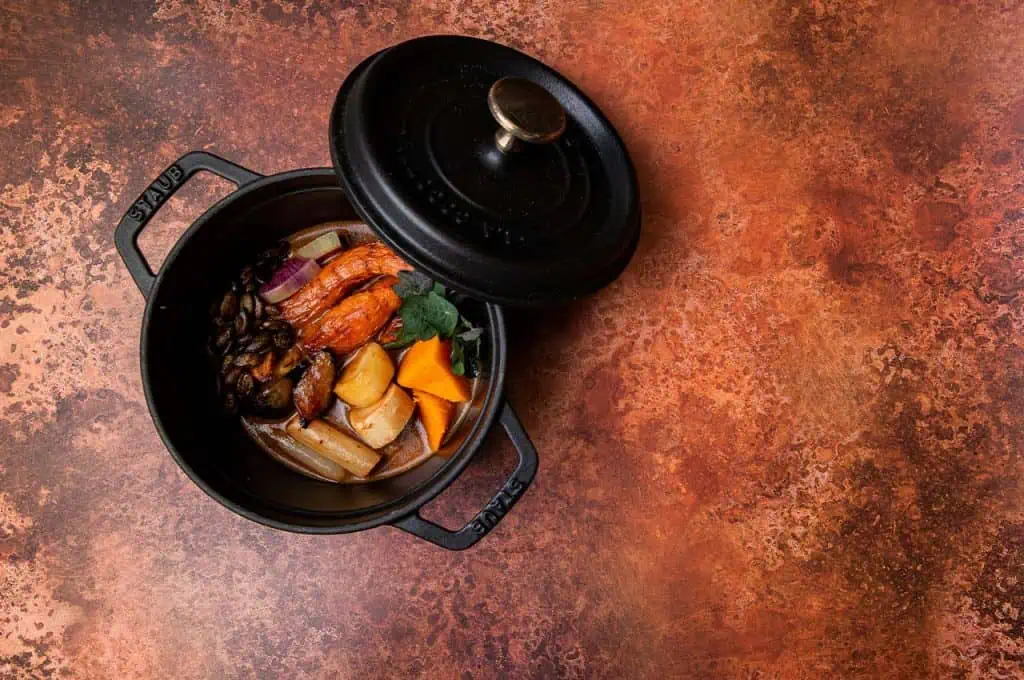
The shift from fast food to slow living represents a significant change in consumer priorities. Many now appreciate the mindfulness in preparing home-cooked meals. Techniques like slow roasting or fermenting emphasize patience and flavor development, allowing home cooks to extract deeper, more nuanced tastes from simple ingredients. Engaging in processes like kneading bread dough or slow-braising meats focuses on the sensory experience, evoking a meditative connection with the food. This approach not only enhances meal quality but also reinforces the nurturing aspect of cooking, encouraging a restorative break from fast-paced lifestyles.
Food Delivery Apps Reshaped Eating

Food delivery apps have drastically altered how we access meals, introducing convenience and variety to our dining habits. The ability to order gourmet or comforting dishes at a touch has made diverse cuisines accessible to many homes. Such platforms allow exploration of global flavors, inspiring home cooks to try replicating favorite recipes with fresh, local ingredients. This development has led to a fusion of traditional and contemporary methods, encouraging users to blend restaurant-quality techniques with home-prepared meal planning, thus enriching culinary knowledge while maintaining comfort and ease.
Health Consciousness Meets Culinary Creativity
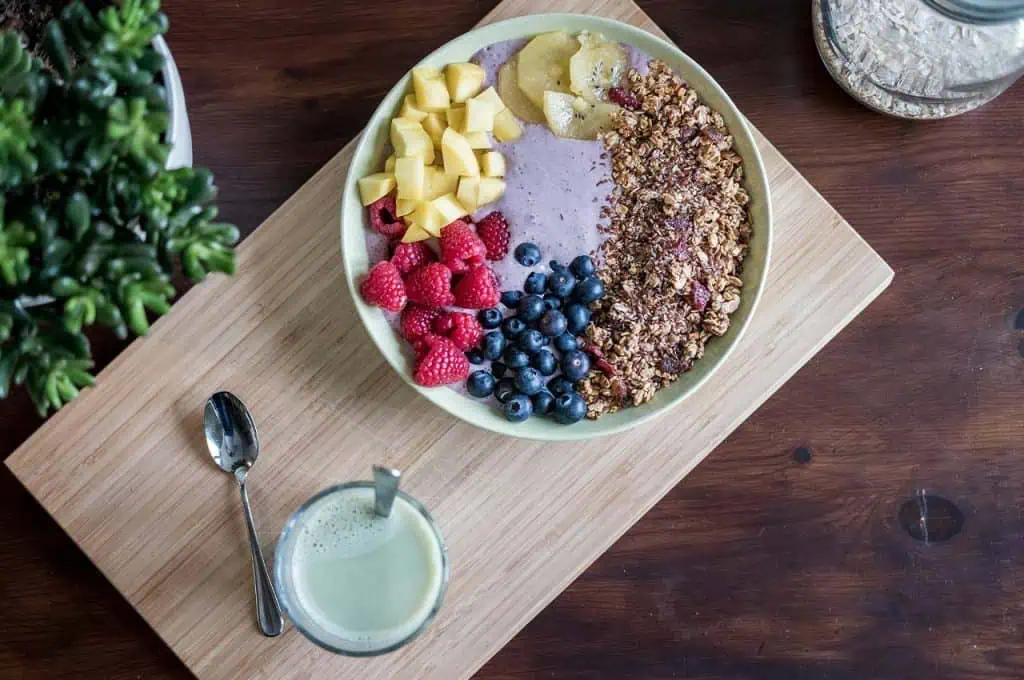
Rising health awareness has prompted creative approaches to cooking, where nutrition meets innovation. The incorporation of superfoods like quinoa, kale, and chia seeds into daily meals has become more commonplace, while techniques such as steaming and baking preserve nutrients and flavors. Seasoning with natural herbs and spices enhances dishes without the need for excess salts or sugars. This movement champions vibrant, wholesome ingredients that redefine culinary boundaries, fostering dishes that are as appealing to the eye as they are beneficial to the body, offering both flavorful and health-conscious dining experiences.
Food as Identity and Self-Expression

Food has transformed into a medium for personal storytelling and cultural reflection. Individuals express their heritage and personal style through the dishes they prepare, often drawing from familial recipes learned in childhood. Integrating modern twists, like substituting traditional ingredients for local variations, reflects adaptation and innovation. This exploration honors tradition while embracing individual creativity, allowing cooks to maintain connections with their roots. Sharing meals with friends or family extends this narrative, creating a communal experience where culinary choices illustrate personal personas and shared histories.
Virtual Dining and Cooking Communities
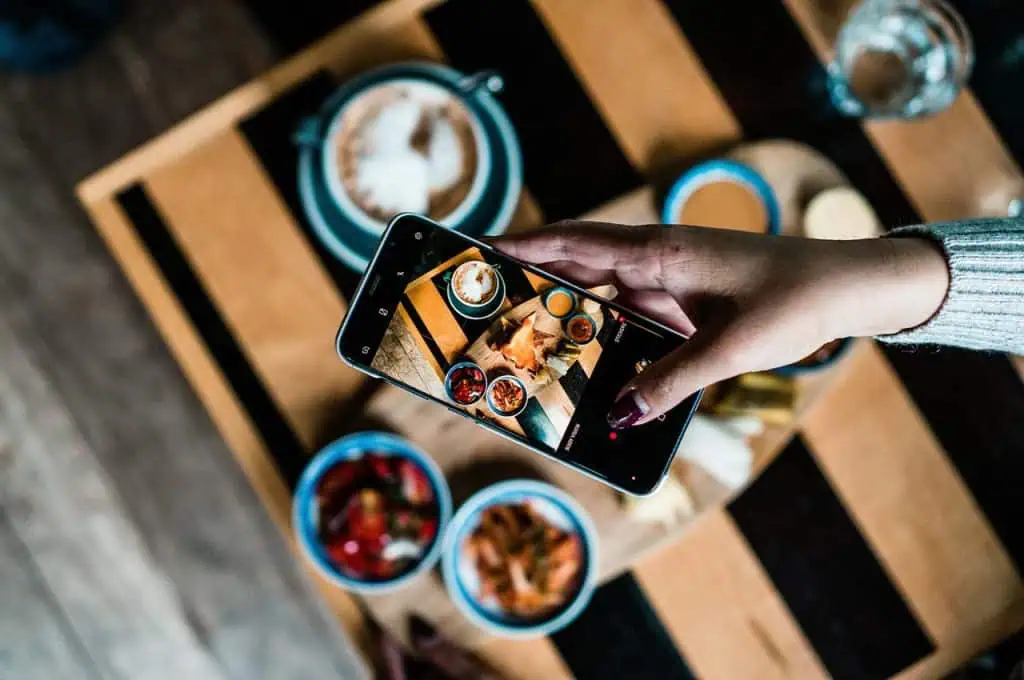
Virtual dining and cooking communities have risen as hubs for sharing expertise and inspiration. Platforms like live streams or online classes connect global food enthusiasts, bridging distances with communal learning. Participants share secrets to achieving perfect textures or balancing complex flavors, fostering a collective improvement in cooking practices. These communities inspire experimentation, whether through attempting new recipes or adapting traditional techniques to modern tastes. The synergy of knowledge exchange enriches culinary journeys, making authentic and diverse food experiences widely accessible and personally enriching.
The Luxury of Local and Sustainable Eating

In recent years, there has been a marked shift towards valuing local and sustainable food sources, seen as both a luxury and a necessity. This movement emphasizes the freshness and superior taste of ingredients grown close to home, reducing the carbon footprint and supporting local economies. When selecting produce, opt for seasonal items at farmers' markets. These are often picked at peak ripeness, offering unparalleled flavor and nutrition. Incorporate heirloom varieties for unique taste and texture, enhancing the quality of everyday meals. Understanding the source of your meat and fish is equally crucial. Seek out suppliers that practice ethical farming or sustainable fishing, ensuring a fresher and more ethical product on your plate. By focusing on these choices, you cultivate a dining experience that is both refined and responsible, a true hallmark of the modern culinary enthusiast.


