
Mountain Dew, Gatorade, and Cheetos Are Changing, Here’s Why

Mountain Dew, Gatorade, and Cheetos, staples of convenience foods, are undergoing significant transformations. These changes stem from evolving consumer preferences towards cleaner labels and health-conscious ingredients. As a response, PepsiCo is re-evaluating its use of artificial additives, aiming to align its iconic brands with modern dietary expectations. This shift reflects a broader industry trend where natural alternatives replace synthetic components to meet consumer demand for transparency and natural goodness.
A Bold Shift: PepsiCo’s Natural Vision

PepsiCo's initiative to eliminate artificial additives from its products is a strategic decision driven by consumer trends favoring natural ingredients. By reformulating popular items like Mountain Dew and Gatorade, the company is placing emphasis on authenticity and health. This entails sourcing natural flavors and colors, which requires careful selection and testing. The move underscores a commitment to sustainability and wellness, enhancing nutritional profiles without compromising on the distinct flavors that loyal customers expect.
Artificial Dyes Losing Their Appeal
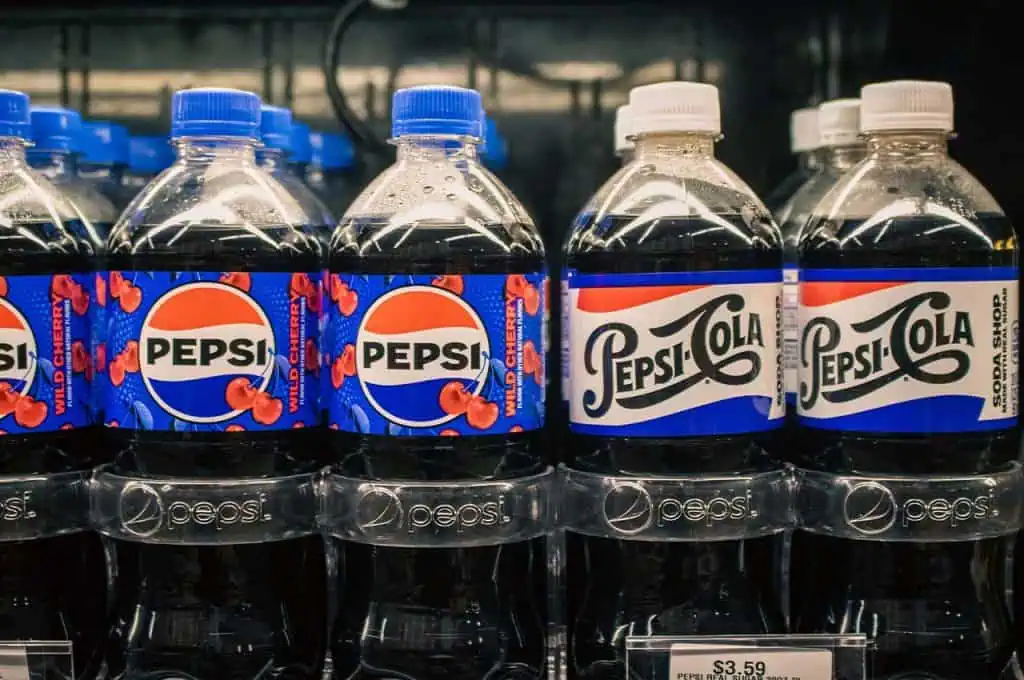
The appeal of artificially enhanced colors is diminishing as consumers become more aware of potential health implications. With growing scrutiny over synthetic dyes, PepsiCo is prioritizing natural alternatives. This switch not only aims to satisfy health-savvy consumers but also complies with increasingly stringent regulations. Replacing artificial dyes with natural ones derived from fruits, vegetables, and spices presents challenges in maintaining vibrant visuals, yet offers a more wholesome proposition for conscious consumers.
Color Challenges: From Doritos to Dew

Transitioning to natural coloring agents is not without obstacles. Consistency, vibrancy, and shelf stability are key concerns, especially for products like Doritos and Mountain Dew. Natural colors can react differently under various conditions, affecting both appearance and taste during processing and storage. PepsiCo must balance these factors, conducting extensive testing to ensure the new formulations maintain the same sensory experience that has made these products iconic, while embracing a cleaner approach.
Inside PepsiCo's Innovative Labs

At PepsiCo’s research labs, teams of food scientists and technologists work diligently to innovate and perfect new recipes. The focus is on understanding the chemistry of natural ingredients to effectively replace artificial components without altering the beloved taste profiles. This includes experimenting with plant extracts and testing them under rigorous conditions to ensure consistency. Such meticulous research and development are crucial in realizing PepsiCo’s vision for a naturally inclined future that meets consumer demands for healthier options.
Natural Ingredients Take Center Stage
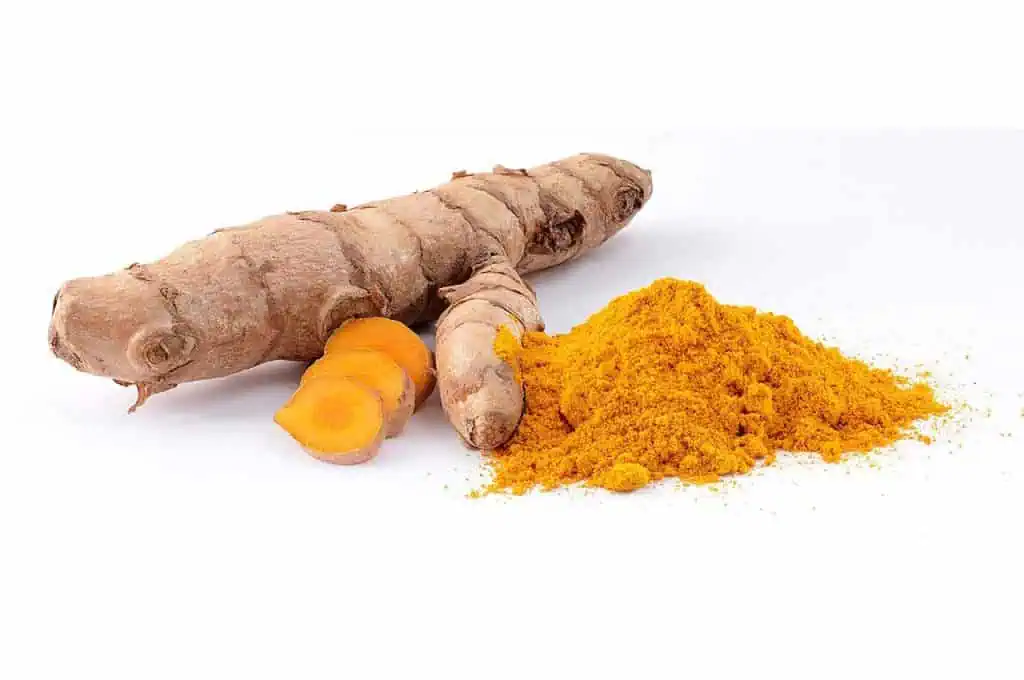
The shift towards natural ingredients has transformed popular snacks and beverages. Brands like Mountain Dew, Gatorade, and Cheetos now focus on using plant-based coloring agents such as beet juice and turmeric. This transition not only appeals to health-conscious consumers but also showcases how natural components can enhance flavor profiles. Understanding the chemistry of these ingredients is crucial for consistency; the natural variants can sometimes require different storage or processing methods to maintain their vibrancy and taste.
Science of Perfecting Color and Flavor
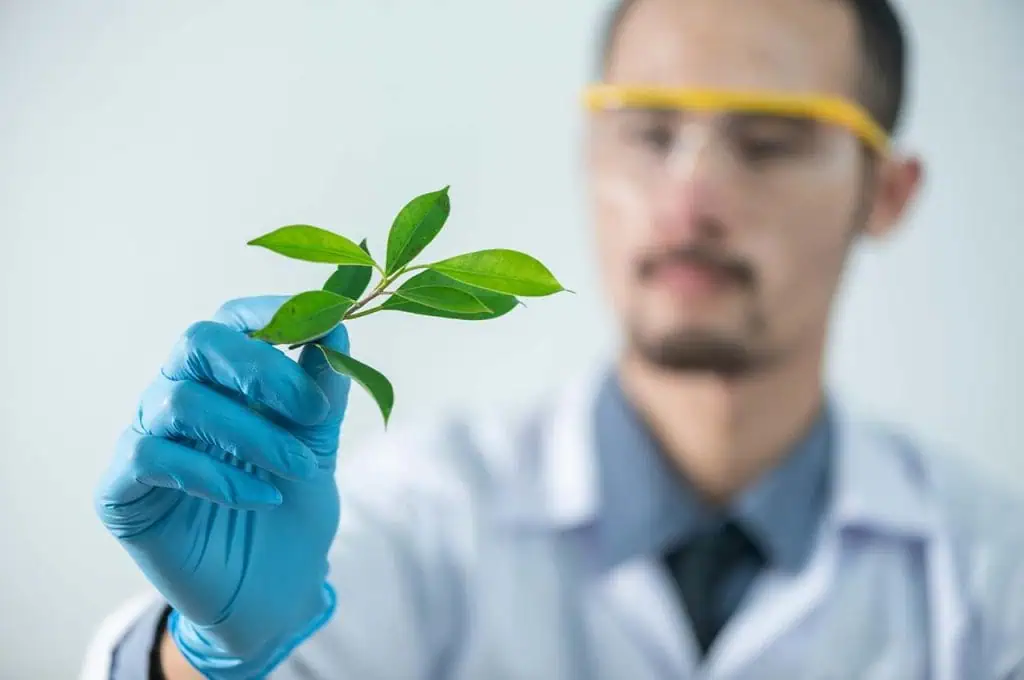
Perfecting the color and flavor balance in these products is a meticulous science involving skilled formulation. Food technologists work tirelessly to replicate the iconic hues of these snacks and drinks without synthetic dyes. The challenge is maintaining stability and intensity, factors influenced by pH levels, temperature, and ingredient interaction. Innovations in extracting plant-based dyes and flavor enhancers allow brands to meet consumer expectations while ensuring their offerings remain visually appealing and flavor-rich.
Consumer Pressure Fuels Change

Rising consumer awareness about artificial additives has driven the demand for cleaner labels. Modern consumers prioritize transparency and nutrition, pushing brands like Mountain Dew, Gatorade, and Cheetos to rethink their formulations. Social media amplifies this shift, with customers quick to influence trends and corporate policies. A brand’s commitment to more natural ingredients not only caters to these preferences but also strengthens consumer trust and loyalty, driving market success in an increasingly health-centric industry.
FDA’s New Role in Natural Dye Approvals

The FDA's evolving regulatory framework plays a significant role in the adoption of natural dyes for food products. As these alternatives become more prevalent, the agency is tasked with ensuring that new coloring agents meet safety and efficacy standards. Recent approvals have streamlined processes, allowing companies to innovate without compromising safety. This regulatory shift supports the industry's move towards more sustainable practices while ensuring that consumer health and quality remain at the forefront.
Balancing Taste, Cost, and Expectations

Crafting products that meet taste, cost, and consumer expectations is a delicate balance. Transitioning to natural ingredients can introduce complexities in manufacturing, often altering the cost structure. Brands must meticulously calculate reformulation expenses, ensuring they preserve flavor integrity and competitive pricing. Taste panels and consumer research inform these decisions, guiding product development that aligns with dietary trends and market demand. The result is a product line that satisfies both the palate and the ethical considerations of today’s consumers.
Future of PepsiCo’s Iconic Brands
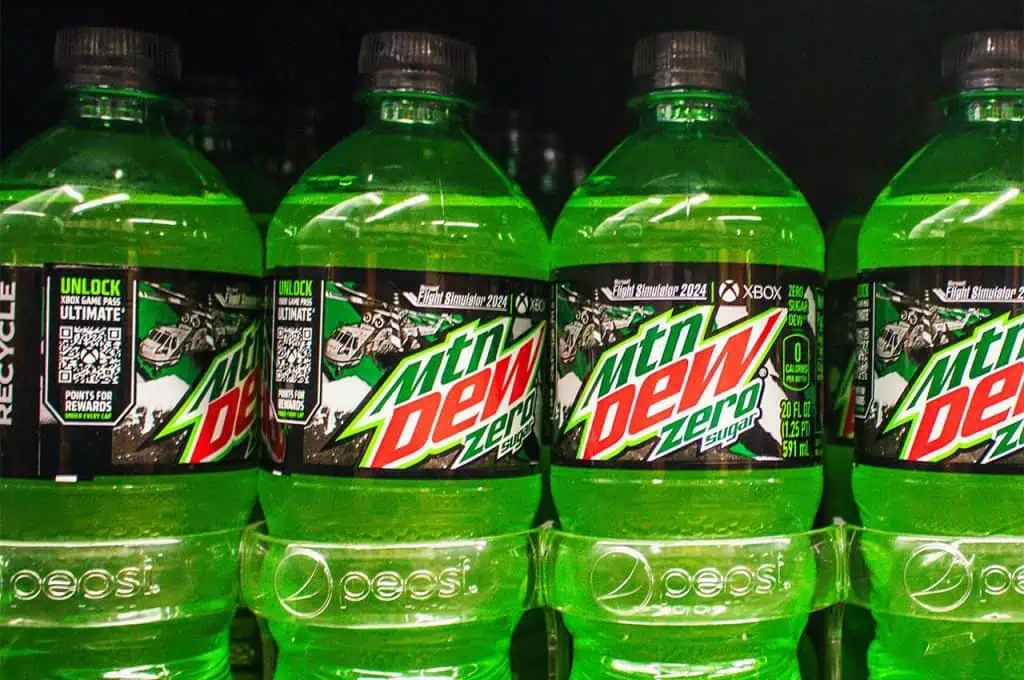
PepsiCo is embarking on a strategic transformation of its flagship products, including Mountain Dew, Gatorade, and Cheetos. The focus is on enhancing nutritional profiles while retaining the flavors consumers love. For Mountain Dew, expect reformulations that reduce added sugars and incorporate natural ingredients, appealing to health-conscious consumers. Gatorade is introducing electrolyte mixes with plant-based additives, ensuring hydration without artificial colors. Meanwhile, Cheetos is experimenting with baked versions that maintain crunch while lowering saturated fat content, updating classic snacks to meet evolving consumer demands.


