
Signs That You are Eating Too Much Protein

Recognizing signs of high protein intake can help you maintain a balanced diet. Too much protein can lead to a series of physical symptoms that may affect daily life. Here's a practical guide to identifying if your protein consumption is excessive, offering insights to help adjust your dietary habits for better health and wellness.
Digestive Distress: Bloating and Gas
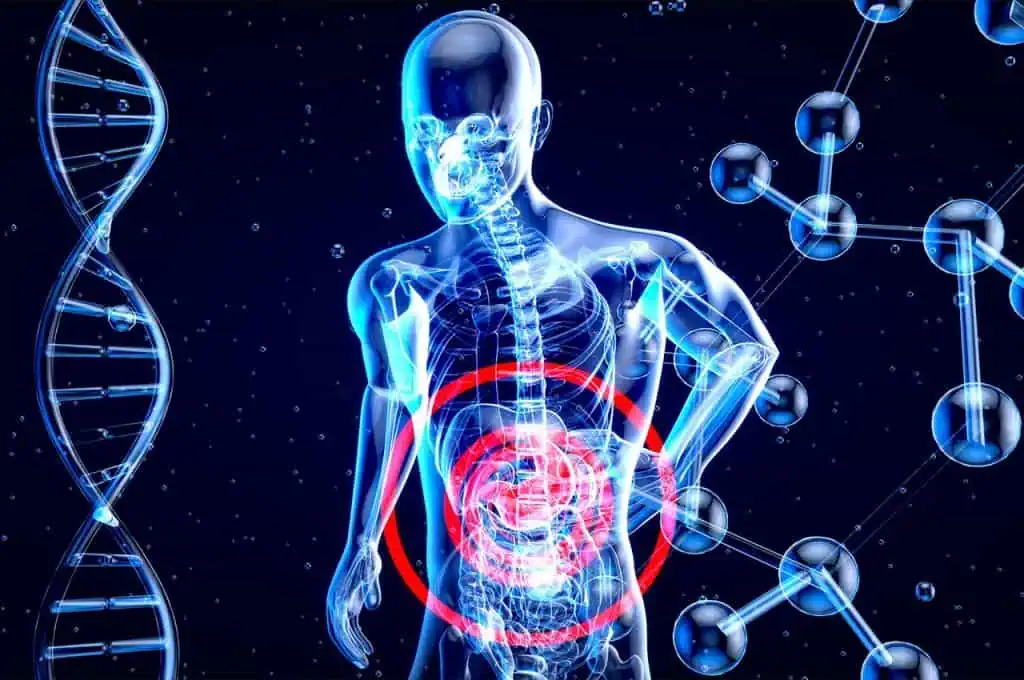
Eating too much protein can overwhelm your digestive system, especially if your diet lacks enough fiber to balance it. Excess protein fermentation in the gut may lead to bloating, gas, and discomfort. Research published in the American Journal of Gastroenterology notes that high-protein, low-fiber diets can disrupt gut microbiota, increasing gastrointestinal symptoms. Pairing protein with fiber-rich foods helps ease digestion and reduce these unpleasant side effects.
Unexplained Fatigue or Brain Fog

While protein is essential for energy and focus, consuming it in excess can have the opposite effect. High-protein diets that restrict carbs may limit glucose, the brain’s preferred fuel, leading to sluggishness and mental fog. A study in Frontiers in Nutrition highlights that inadequate carbohydrate intake can impair cognitive performance and mood. If fatigue or fog sets in, it may signal an imbalance where protein crowds out other critical nutrients.
Bad Breath from High-Protein Diets

One surprising side effect of eating too much protein is persistent bad breath. When protein intake is very high and carbs are limited, the body shifts into ketosis, producing ketones that cause a strong, unpleasant odor. Research in the Journal of the International Society of Sports Nutrition notes that low-carb, high-protein diets often trigger this effect. Unlike typical morning breath, protein-related halitosis lingers, signaling a metabolic imbalance that may need diet adjustments.
Frequent Dehydration and Thirst

High protein diets can increase dehydration risk because the body needs extra water to metabolize protein and eliminate nitrogen waste through urine. A study in the Journal of the American Society of Nephrology highlights that excessive protein intake raises kidney workload, leading to greater fluid loss. This often results in persistent thirst, dry mouth, or darker urine. Without proper hydration, the strain can build over time, making it crucial to balance protein with sufficient water.
Kidney Strain: Warning Signs

Consistently eating too much protein can stress the kidneys, which filter waste from protein metabolism. Research in the Clinical Journal of the American Society of Nephrology shows that long-term high-protein diets may accelerate kidney damage in people with reduced kidney function. Warning signs include lower back pain, swelling in the hands or feet, and changes in urination. While healthy kidneys can handle moderate protein, overloading them increases long-term risks.
Weight Gain While Eating Healthy

Eating high-protein foods can feel “healthy,” but excess protein still adds calories, which may lead to weight gain. A study in the International Journal of Obesity found that when protein intake exceeded energy needs, participants gained fat mass despite otherwise balanced diets. Protein also stimulates insulin, which in excess can promote fat storage. If portion sizes are unchecked, even lean meats, shakes, or bars can quietly push you into a calorie surplus.
Nutrient Gaps from Skipping Food Groups
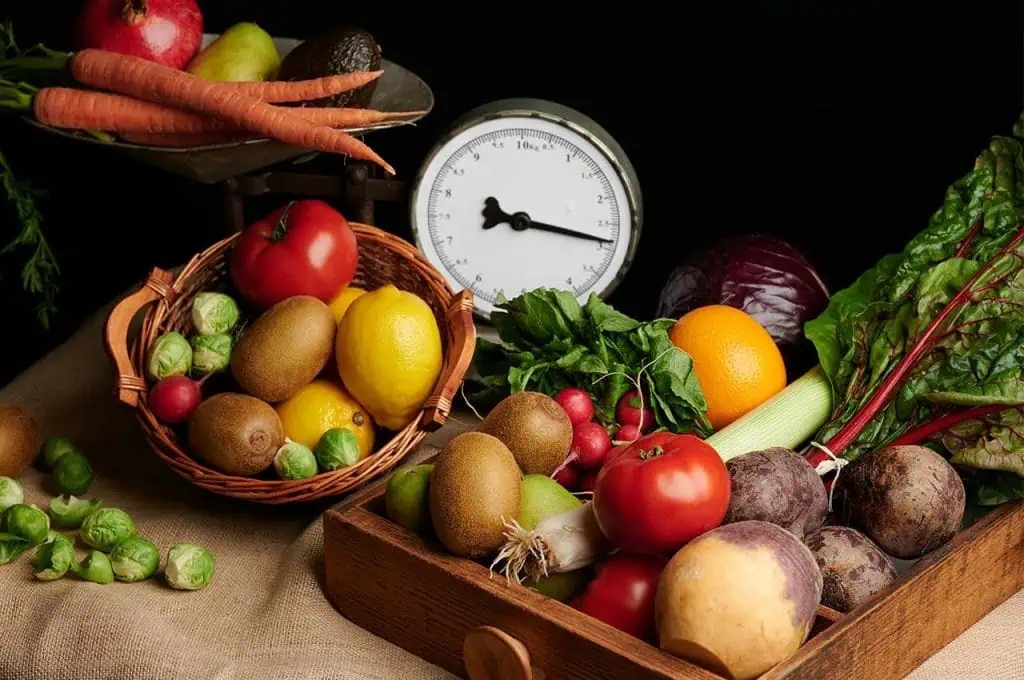
High-protein diets often come at the expense of fruits, vegetables, and whole grains, leading to nutrient gaps. According to the Journal of the American College of Nutrition, people who overemphasize protein tend to fall short on fiber, vitamin C, and key phytonutrients that protect against chronic disease. Skipping these food groups may impact gut health, immunity, and long-term heart health, showing why balance matters as much as protein intake.
Heart Health Risks Increase

Consuming too much protein, especially from red and processed meats, can strain the heart over time. A study in Circulation: Heart Failure found that people with diets high in animal protein faced a higher risk of heart failure compared to those eating more plant-based protein. Excess saturated fat and cholesterol from meat-heavy diets may raise LDL levels, increasing cardiovascular risks. Choosing lean or plant-based sources helps protect heart health while meeting protein needs.


