
The Flavor Lab: How Artificial Tastes Took Over Our Palates

The evolution of artificial flavors has transformed modern cooking as synthetic compounds increasingly dominate our taste experiences. These lab-created flavors mimic natural ones, bringing convenience and consistency to the food industry. Understanding this shift is essential for the home cook discerning how these artificial ingredients affect not only taste but also nutrition and authenticity. In “The Flavor Lab,” discover how such flavors have seamlessly taken root in both everyday meals and gourmet dishes, influencing our palates and preferences.
From Kitchens to Labs: Synthetic Flavor Birth

Synthetic flavors began as a practical solution to preserve taste during transportation and storage, ensuring flavors remained intact far from their natural sources. This innovation was driven by the need to stabilize and replicate flavors like fruit and spice extrications. Today, chemists often recreate these sensations more consistently than their natural counterparts. Recognizing these substances on ingredient lists, often dubbed esters or aldehydes, helps cooks understand the science behind the flavor. As you navigate modern cuisine, consider both convenience and the potential impact on genuine taste experiences.
Vanillin: The Budget Vanilla Alternative
Vanillin, a compound derived from either wood pulp or guaiacol, effectively replicates the essence of vanilla. It's a cost-efficient substitute often used in baking and flavored products. While it lacks the complexity of pure vanilla extract, vanillin offers a reliable option where vanilla may be impractical. Understanding its role can assist home cooks in managing recipe costs without sacrificing key flavor profiles. Choose pure vanilla for dishes where depth matters, but don't hesitate to use vanillin in applications where subtlety can be maintained and purity isn’t critical.
MSG: The Controversial Umami Shortcut
Monosodium glutamate, or MSG, enhances the savory umami taste effortlessly, deeply infusing dishes with a rich, satisfying flavor. Despite its controversy, primarily linked to ill effects termed ‘Chinese Restaurant Syndrome,’ studies show its general safety for most people. Using MSG judiciously in your cooking can amplify the natural umami present in ingredients like tomatoes and mushrooms. For those mindful of umami balance, it’s a strategic tool to enrich flavor without overwhelming the palate. Always taste as you go to ensure harmony and avoid overuse.
‘Natural Flavors': A Misleading Label
‘Natural flavors' on ingredient lists can be deceivingly vague; they often indicate compounds extracted or synthesized to mimic a desired taste without clear definition of their source. These flavors may come from nature but often undergo extensive processing. For home cooks, understanding this label is crucial in evaluating the integrity of ingredients. Opt for whole, minimally processed versions of flavors when possible to maintain culinary integrity. Such insight will foster informed choices, preserving both authenticity and health considerations in your cooking endeavors.
Engineering Cravings: The Processed Food Hook
Processed foods dominate our diets through careful engineering of taste and texture. Key players in this transformation are flavor enhancers and additives designed to stimulate our taste buds and perpetuate cravings. Manufacturers utilize compounds like monosodium glutamate (MSG) and artificial sweeteners that trigger a heightened sense of taste. These elements manipulate the brain's reward system, creating a cycle of desire. Understanding these techniques provides insight into why these foods often override our natural satiety cues, encouraging consumption beyond true hunger.
Fast Food, Faster Flavor: Convenience Wins
Fast food offers an enticing combination of speed and flavor, achieved through scientific precision in recipes and preparation. Ingredients like hydrolyzed vegetable proteins and emulsifiers maintain consistency while intensifying taste, making dishes more appealing. This system allows chains to replicate flavors reliably across locations, ensuring customer satisfaction. The packaging of food in easily consumable formats also aids in delivering maximum flavor with minimal effort, reinforcing the appeal of quick gratification over the slower, more nuanced experiences of traditional cooking.
Redefining ‘Real’ Taste: Nature’s Backseat
As artificial flavors take the forefront, the notion of ‘real’ taste is evolving. Laboratory-created substitutes mimic natural flavors, offering stable and cost-effective alternatives to volatile, seasonal ingredients. These synthetic profiles allow producers to maintain consistency while manipulating perceived freshness. This shift challenges traditional palates and places convenience above authenticity, as more consumers accept these engineered flavors as the new norm. Understanding this transition prompts a reflection on culinary values and the balance between innovation and tradition.
The Future of Flavor: Biotech and AI
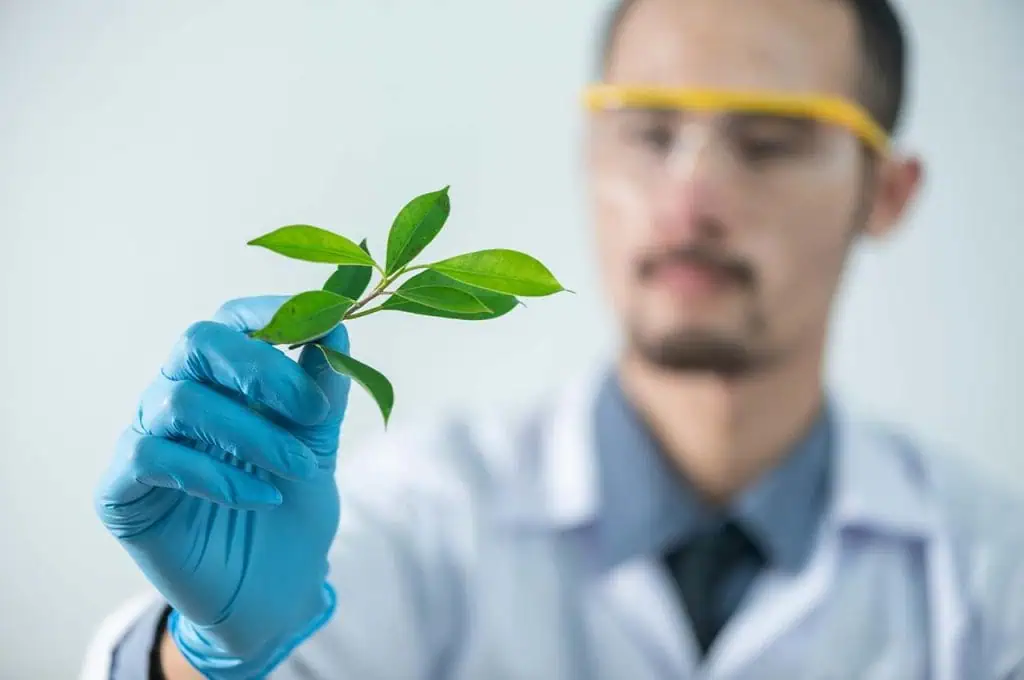
The future of flavor innovation lies in biotech and AI, promising unprecedented customization and efficiency. Biotechnologists are crafting new taste experiences by altering yeast and bacterial cultures to produce specific flavor compounds. AI aids in predicting taste preferences and optimizing recipes, transforming how products are developed. By studying consumer behavior and biological responses, technology is pushing the boundaries of possibility, offering glimpses into a customized future where flavor profiles are tailored to individual palates while maintaining global appeal.


