
The Story of Vinegar: From Ancient Preservative to Modern Super Ingredient

Vinegar's versatility in the kitchen is undeniable, enhancing everything from salads to sauces. This humble pantry staple offers a balance of acidity and flavor that elevates any dish. Understanding its multifaceted roles can transform your cooking repertoire. As you explore vinegar’s journey from ancient preservative to a modern must-have, consider how its unique properties can inspire your culinary adventures.
Origins in Antiquity: Accident or Invention?

Vinegar likely emerged from the natural fermentation of alcoholic liquids left exposed to air. Ancient civilizations discovered its preservative qualities by chance. Grapes, dates, and grains transformed into a tangy liquid that extended the shelf life of perishable goods. This serendipitous creation allowed vinegar to secure its place in culinary history as a fundamental ingredient.
Vinegar as Medicine & Daily Necessity
In ancient times, vinegar was more than a seasoning; it was a key medicine. It was used for cleaning wounds, aiding digestion, and even as an energizing tonic. Its antimicrobial properties made it a valuable ally in health and hygiene. Today, its application extends to balancing flavors in dishes while contributing potential health benefits, making it a kitchen essential.
Cultural Signatures: Balsamic to Beyond
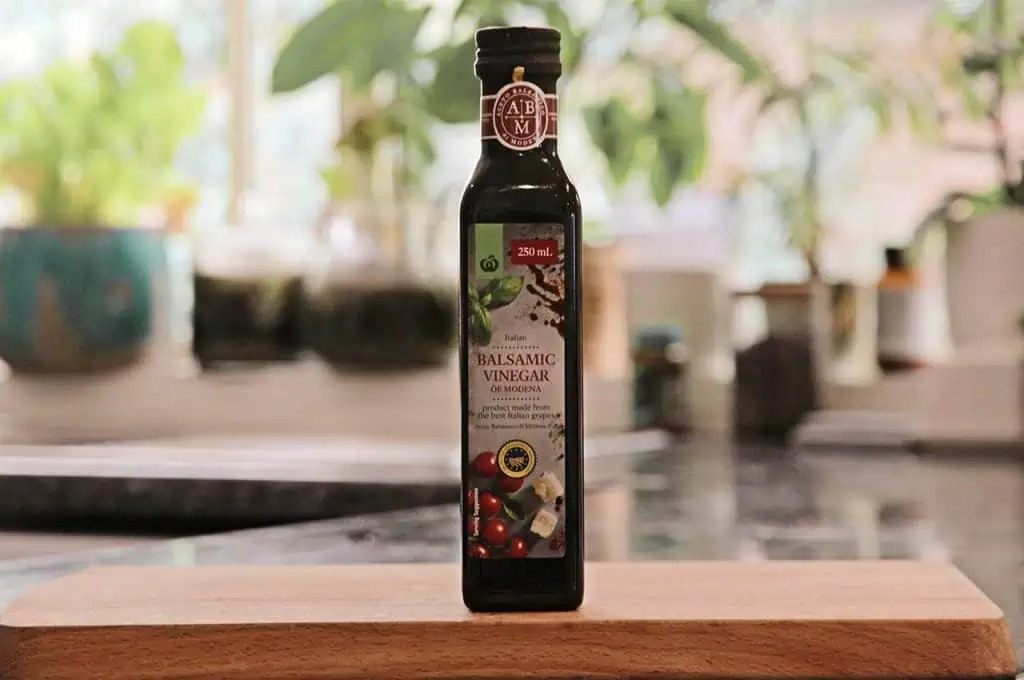
Different regions have developed distinct vinegars that reflect local flavors and traditions. Balsamic vinegar from Italy offers a complex sweetness, ideal for drizzling over fresh mozzarella or ripe strawberries. In Asia, rice vinegar brings a mild, sweet touch to dressings and sushi rice. Each type provides unique characteristics, enhancing dishes with regional flair and authenticity.
The Science of Sour: Fermentation & Flavor
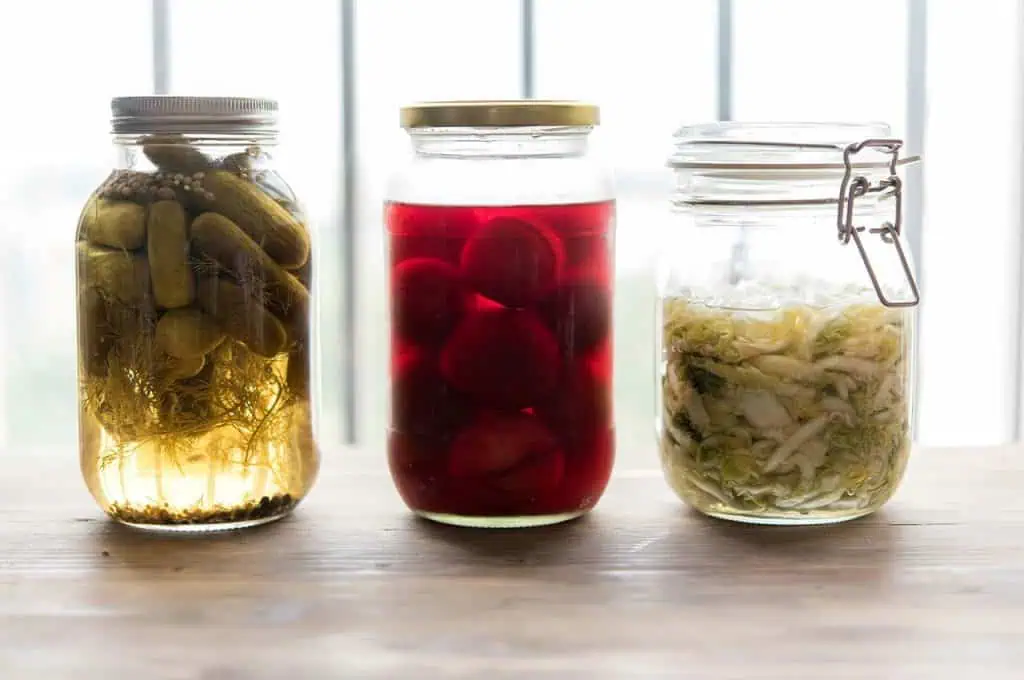
Vinegar’s signature tang results from acetic acid, produced when bacteria ferment alcohol. This fermentation process not only defines the taste but also enhances dishes by cutting through rich, fatty flavors and balancing sweetness. Mastering the use of vinegar involves understanding its power to brighten and deepen flavors, making it an indispensable tool for any cook.
From Pickling to Cleaning: Vinegar's Roles
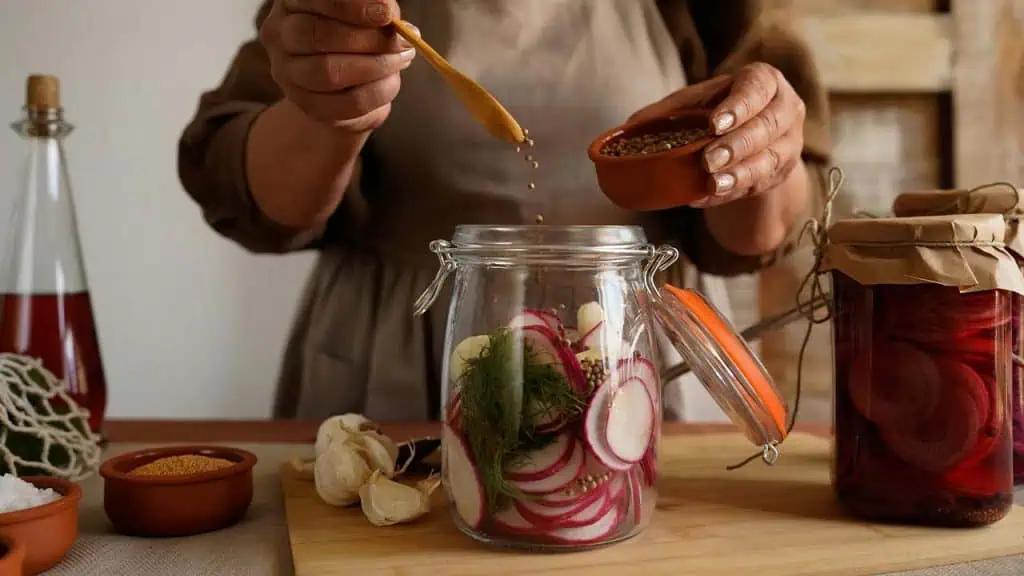
Vinegar's versatility spans culinary and household applications. In pickling, its acidity acts as a preservative, enhancing flavors while extending shelf life. By lowering the pH, vinegar prevents microbial growth, ensuring vibrant, crisp, and tangy results. When selecting vinegar for pickling, opt for varieties like apple cider or white vinegar, each contributing unique flavor profiles. Beyond the kitchen, vinegar serves as a natural cleaning agent. Its acetic acid content effectively dissolves mineral deposits, cuts through grease, and acts as a deodorizer, offering a sustainable alternative to chemical cleaners.
Modern Revival: Health Trends & Creativity
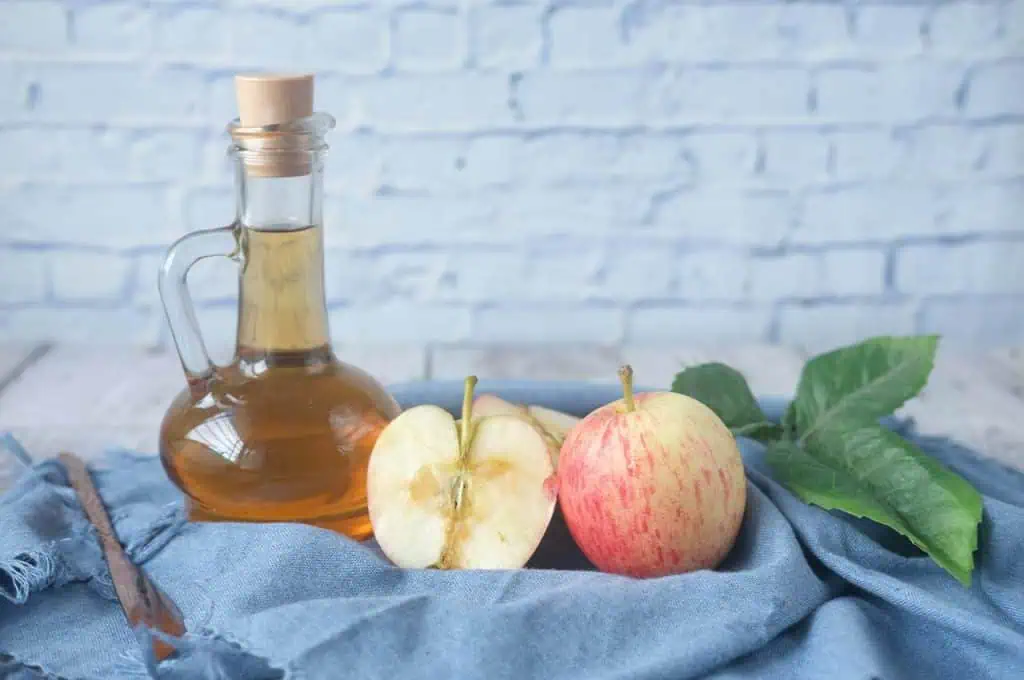
Vinegar's resurgence in modern cuisine highlights its health benefits and creative uses. Rich in probiotics and acetic acid, apple cider vinegar is often consumed for digestive health and weight management. Its tangy zest complements salads, marinades, and dressings, adding complexity and brightness. Chefs embrace flavored vinegars, infusing them with herbs or fruits for innovative culinary applications. Consider using vinegar for deglazing pans, enhancing sauces with depth and acidity. Whether crafting a vibrant vinaigrette or experimenting with new infusions, vinegar offers endless opportunities for culinary exploration.


