
Preserved Power: How Pickling, Curing, and Fermenting Reshaped Our Plates and Palates

Preservation techniques like pickling, curing, and fermenting have transformed how we prepare and enjoy food. These methods not only extend the shelf life of ingredients but also enhance their flavors, creating new culinary experiences. Mastering these timeless techniques can elevate home cooking, offering depth and complexity to dishes that could otherwise seem mundane.
Survival in a Jar: Origins of Preservation

The art of food preservation dates back millennia, driven by the need to sustain communities through scarcity. Early methods relied on natural processes like fermentation and sun drying. Over time, these evolved into more complex techniques such as pickling and curing, which used salt, vinegar, or smoke to inhibit spoilage and enhance flavor. Understanding these origins helps deepen the appreciation of preserved foods on modern tables.
Pickling Across Cultures: Kimchi to Dill Spears
Pickling varies dramatically across cultures, each bringing unique flavors and textures. In Korea, kimchi combines cabbage with chili and garlic, fermenting for complex tanginess. Meanwhile, Western dill pickles use a vinegar solution enriched with spices and herbs. Key techniques include sterilizing jars to prevent contamination and balancing acidity to preserve and flavor vegetables. Exploring these variations offers a world of culinary diversity.
Salt and Smoke: Art of Curing Meats
Curing meats involves salting, smoking, or both, to develop rich flavors and preserve proteins. Techniques like dry curing, used in prosciutto, rely on salt penetration over time, while smoking imbues meats with deep, smoky taste. A precise control of temperature and humidity is essential to prevent spoilage. Mastering the balance of salt and exposure allows home cooks to savor transformed meats with exquisite textures and enhanced flavors.
Fermentation as Flavor: Beer Bread & Beyond
Fermentation not only preserves but also transforms foods, as seen in beer bread where yeast ferments sugars, causing dough to rise and imparting a unique malty taste. Beyond bread, try fermenting vegetables or brewing kombucha to introduce intricate flavors. Techniques such as controlling ambient temperature and ensuring airtight environments help guide fermentation processes. These efforts yield rewarding complexity in dishes, enhancing both texture and taste.
Preservation & Identity: Traditions That Last
Culinary preservation methods like pickling, curing, and fermenting are deeply intertwined with cultural identity. From Korean kimchi to Italian prosciutto, these techniques have provided not just sustenance but a sense of community and heritage. Pickling involves submerging food in an acidic brine, enhancing flavors while ensuring longevity. Curing, often with salt, develops complex tastes in meats. Fermentation harnesses natural microbes, creating distinct profiles in foods like sauerkraut. Understanding these practices allows us to connect with history, showcasing the flavors and values of diverse cultures.
From Scarcity to Specialty: Necessity to Cuisine
Originally born from necessity, preservation transformed basic ingredients into gourmet staples. Methods devised to survive harsh winters have evolved into cherished culinary practices. Curing turns ordinary pork into the luxurious delight of jamón. Fermentation transforms milk into a myriad of cheeses, or soybeans into miso. Pickling introduces crisp textures and tangy notes that elevate simple vegetables. These techniques not only ensure survival but enrich our palates, turning humble ingredients into refined delicacies that define cuisines worldwide.
Science of Preservation: Probiotics & Gut Health
Modern understanding reveals the health benefits integral to traditional preservation methods. Fermented foods like yogurt and kefir are rich sources of probiotics, promoting a balanced gut microbiome and improving digestion. The fermentation process enhances nutrient absorption and boosts immune function. Pickled items, when traditionally crafted, maintain beneficial bacteria and offer vitamins like C and K. Embracing these age-old practices can significantly contribute to a health-conscious lifestyle, bridging the gap between culinary indulgence and well-being.
Trendy Revival: Pickling & Fermentation's Return
Today, the revival of pickling and fermentation reflects a renewed appreciation for artisanal and homemade foods. Craftsmanship in small-batch pickles and kombucha workshops is embraced by chefs and home cooks alike, drawn to the authenticity and vibrant flavors. This trend marries ancient techniques with modern creativity, celebrating uniqueness in texture and taste. The emphasis on DIY has inspired culinary experimentation, allowing personal touches in flavor profiles while fostering a deeper understanding of food origins.
Sustainability on the Shelf: Reducing Waste
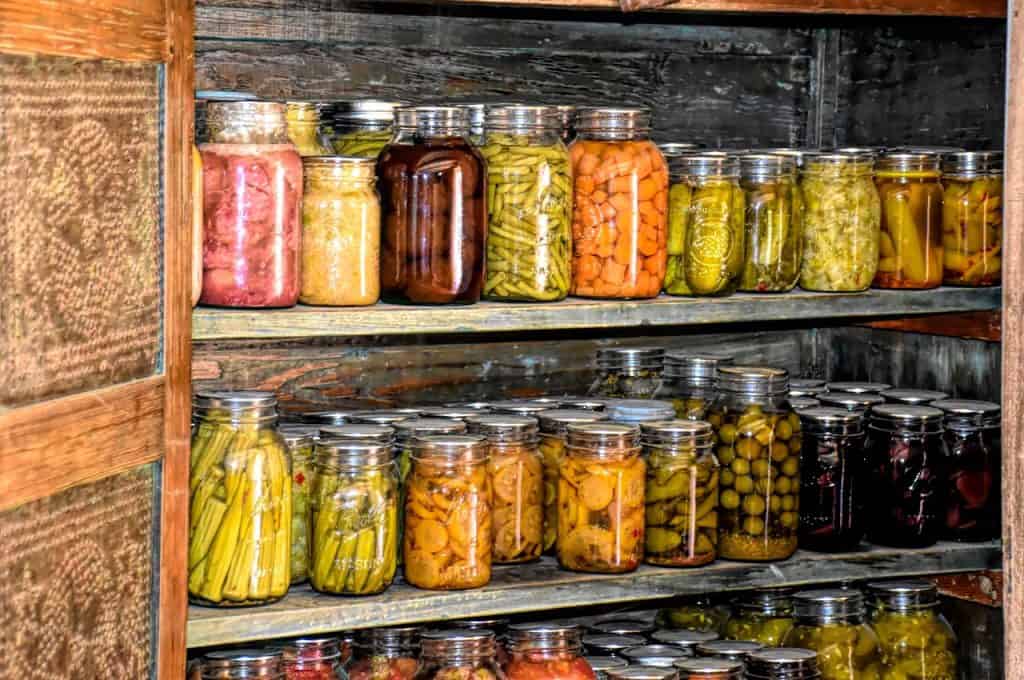
Preservation is not only a culinary art but a sustainable practice to combat food waste. By extending the life of fresh produce and transforming food scraps into pickled delights, we reduce environmental impact and elevate zero-waste cooking. Home fermenting allows for the use of entire vegetables, yielding delicious products and minimizing discard. Through curing, available meats are fully utilized, creating delicious and durable products without excess. These techniques offer practical solutions to waste reduction, aligning environmental responsibility with culinary inventiveness.
The Future of Old Methods: Tradition Meets Innovation
The resurgence of age-old preservation techniques like pickling, curing, and fermenting is redefining contemporary cuisine, marrying tradition with modern culinary innovation. These methods transform simple ingredients into complex flavor profiles, offering depth and intrigue to dishes. Fermentation, for example, is now used to create unique condiments and sauces with umami richness, enhancing everything from grilled meats to roasted vegetables. The meticulous balancing of salt and acidity in pickling adds vibrant tang and color to salads and sandwiches. Meanwhile, curing extends shelf life while imparting intense flavors, evident in delicacies like homemade gravlax or prosciutto. By embracing these practices with a modern twist, home cooks can elevate everyday meals, creating remarkable culinary experiences.


