
10 American Dishes Born from Rejected Recipes Abroad

American cuisine offers a unique blend of global influences, often transforming rejected recipes into beloved dishes. These adaptations celebrate the creativity and adaptability of cooks who have embraced diverse culinary traditions. Each entry here highlights how a seemingly discarded recipe abroad found new life and enthusiastic followers in the United States. These dishes embody innovation, offering home cooks the chance to explore flavors and techniques that have been reshaped by American kitchens.
Deep-Dish Pizza: A Chicago Original
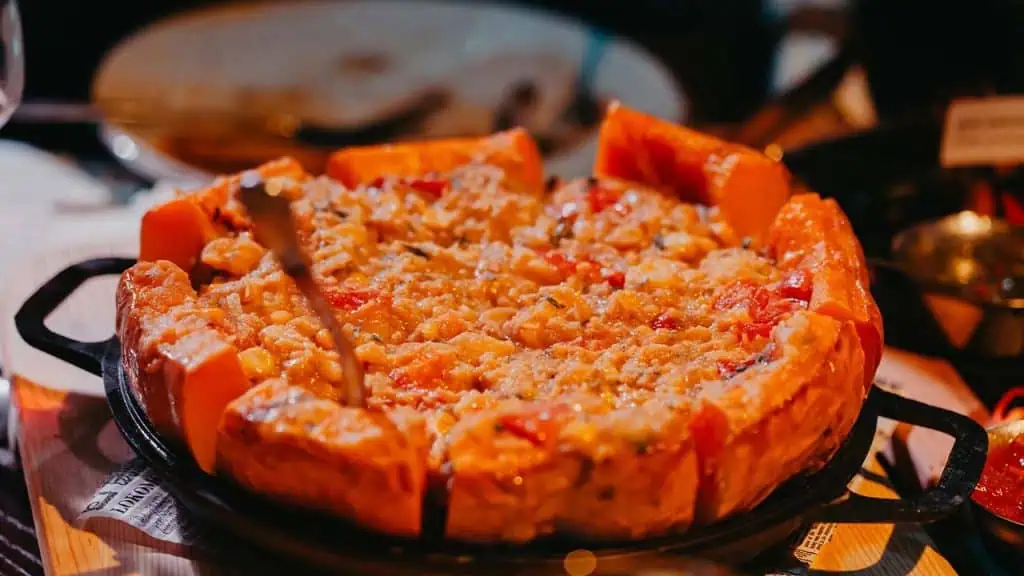
Chicago's deep-dish pizza is a testament to reimagining a classic with bold layers and hearty appeal. Unlike traditional Italian pies, this version features a thick, buttery crust that cradles layers of robust tomato sauce, savory sausage, and melting cheese. Key to success is the dough, pressed into a high-sided pan, which creates a satisfying crunch. Opt for quality San Marzano tomatoes for the sauce, and allow time for proper dough rest to develop flavor. The result is a filling, indulgent pizza that captures the essence of Chicago's culinary ingenuity.
General Tso’s Chicken: A Sweet Rendition

General Tso's Chicken is a dish with intriguing origins, finding fame in American Chinese restaurants despite its scarcity in China. The dish showcases a perfect balance of sweet and spicy with its glossy sauce enveloping crispy fried chicken pieces. Ensure a crisp texture by using cornstarch in your batter and double frying the chicken. Fresh garlic and ginger lend essential depth to the sauce, while a splash of rice vinegar offers acidity. This dish exemplifies delicious transformation, providing familiar flavors with an American twist that delights the palate.
Chop Suey: A Chinese-American Classic
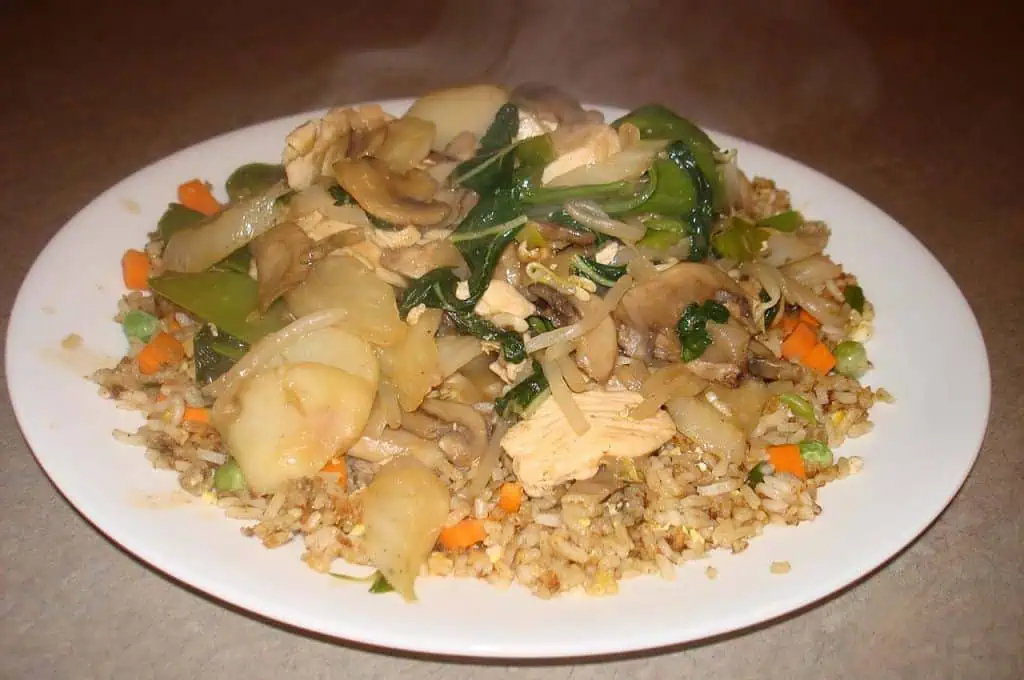
Chop Suey, born from Chinese immigrants' resourcefulness, is a versatile stir-fry that marries leftovers into a cohesive dish. The appeal lies in its adaptability; a variable mix of meats and vegetables tailored to what’s available. Stir-frying techniques are crucial here, ensuring each component retains its texture and flavor. Include tender cuts like pork or chicken, and balance them with crisp vegetables such as bean sprouts or bok choy. Soy sauce and sesame oil tie the ingredients together, creating a comforting plate that’s simple yet satisfying.
Spaghetti and Meatballs: An Italian Twist

Spaghetti and meatballs, often associated with Italy, is an American-born culinary interpretation. This homey dish combines seamless, tender meatballs, enriched with herbs and breadcrumbs, paired with al dente spaghetti. The secret to perfect meatballs lies in the mix, combine equal parts beef and pork for richness. Gently rolling the meatballs ensures a tender bite. Simmer them in a tangy tomato sauce that benefits from slow cooking, allowing flavors to meld. Much more than pasta, this dish provides luscious comfort through every bite and embodies a cross-cultural success.
Fortune Cookies: A Misplaced Monopoly

Fortune cookies, often associated with Chinese cuisine, find their roots quite differently. Originating from a Japanese recipe, they are a testament to culinary adaptation. Made of simple dough, flour, sugar, vanilla, these crisp delights are shaped while warm, encasing a subtle vanilla aroma that complements the delicate crunch. Crafting them requires a quick hand to fold while supple, ensuring the embedded fortunes remain snug inside. Roasting to the perfect golden hue demands patience, rewarding with a final product both novel and nostalgic.
Macaroni and Cheese: An American Comfort
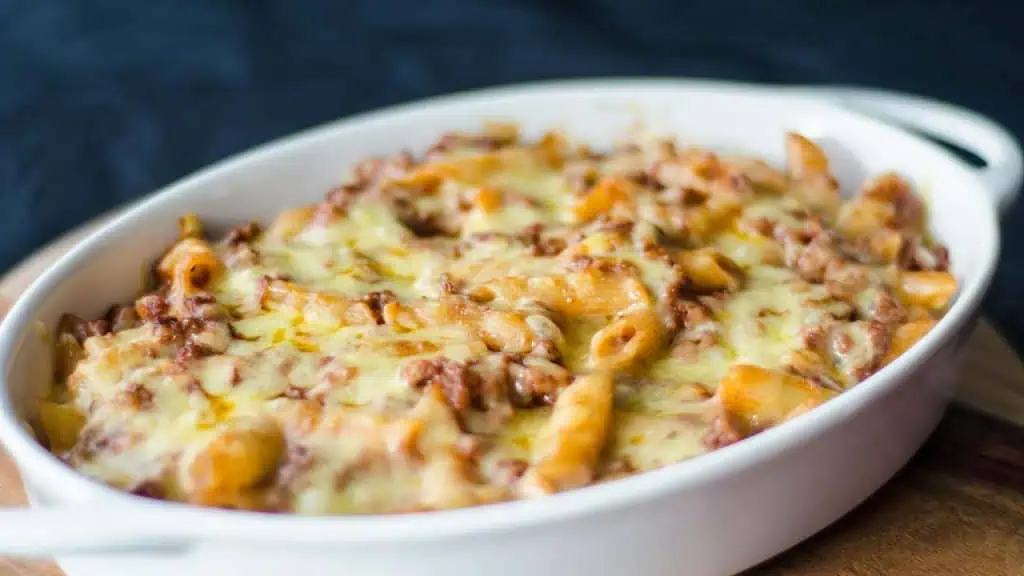
Macaroni and cheese, a hallmark of American comfort food, owes its essence to Italian pasta craftsmanship. The classic dish merges al dente macaroni with a velvety cheese sauce, traditionally comprising sharp cheddar for bold flavor. The secret to a silky sauce is a well-whisked roux, gradually combined with milk to avoid lumps. Slowly melting the cheese in ensures a smooth consistency. Baked varieties gain an extra layer of textural delight with breadcrumbs, offering a satisfying crunch against the creamy core, inviting exploration of its cozy complexity.
Bagels with Cream Cheese and Lox: A New York Staple
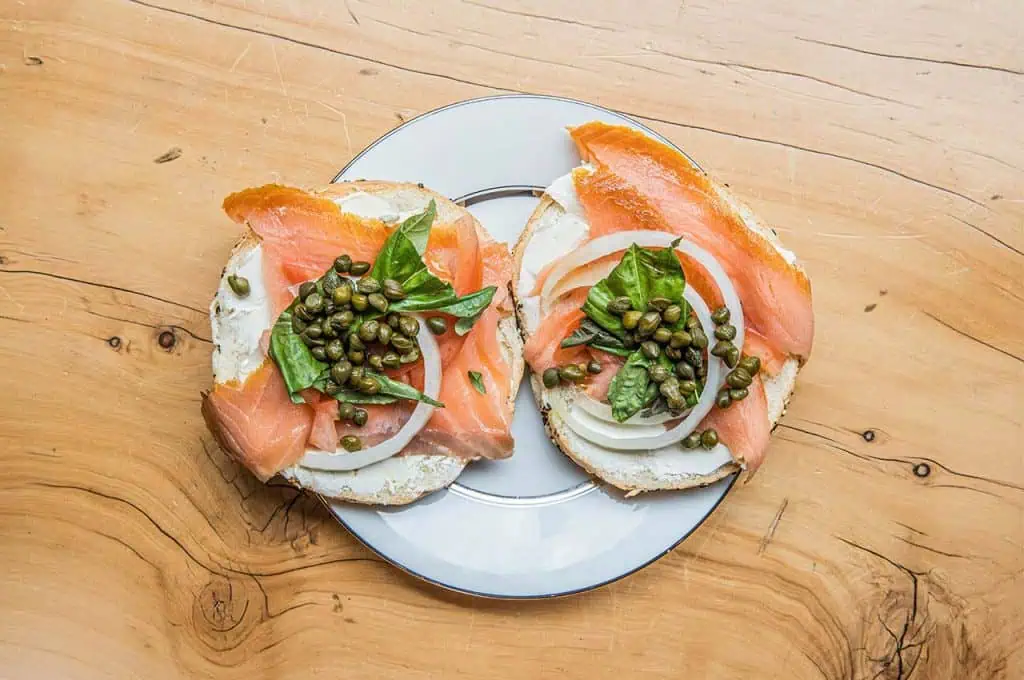
This iconic combination hails from New York's immigrant mosaic, weaving Eastern European inspiration with American flair. Crafting the ideal bagel involves a boiling step to create its characteristic chewiness, crucial for standing up to thick, creamy layers of tangy cream cheese. Silky slices of lox, or cured salmon, add depth with their rich, buttery texture. A sprinkle of capers and red onions enhances the dish with sharp, contrasting flavors, turning every bite into a balanced exploration of savory and fresh elements seamlessly combined.
Chili Con Carne: A Spicy Southern Creation

Chili con carne's origins are debated, but its American evolution is distinct. Utilizing a hearty mix of ground beef, tomatoes, and a balanced medley of spices like cumin and chili powder, this dish captures rustic charm. Slowly simmering the ingredients allows flavors to meld, thickening the sauce for a robust, comforting finish. Beans often join the blend, adding heartiness. The key lies in layering spices gradually to develop depth and complexity without overwhelming. Garnished with fresh cilantro and a squeeze of lime, it stands as a spicy yet approachable staple.
Buffalo Wings: Hot and Flavorful Innovation
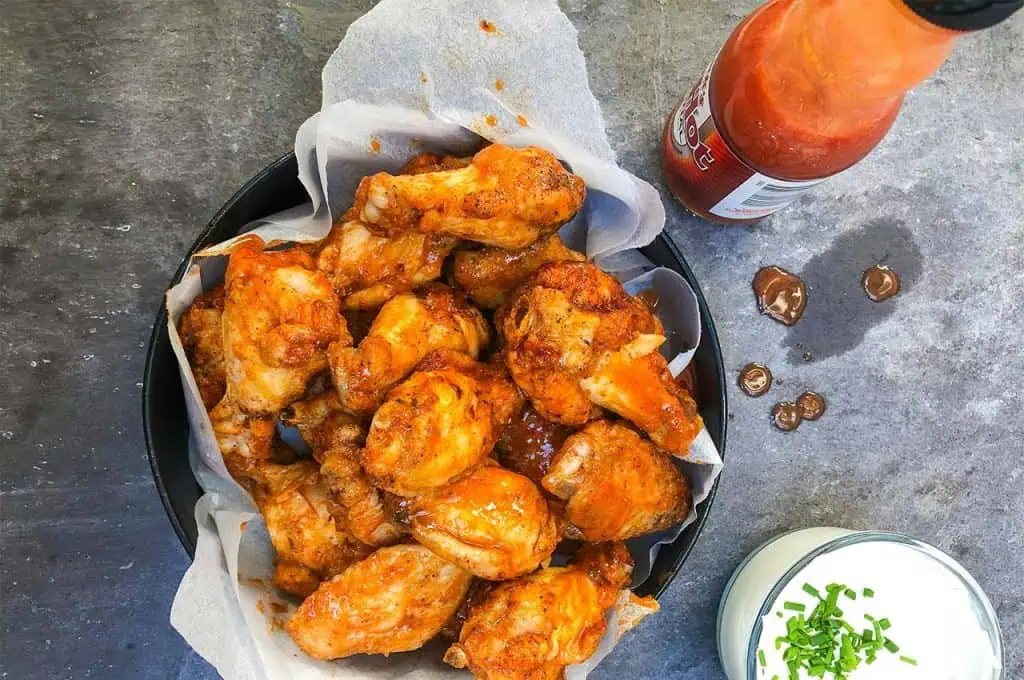
Buffalo wings emerged from an accidental delight, popularized by a bar in Buffalo, New York. The wings, fried to crispy perfection, are then coated in a tangy, buttery hot sauce. Achieving the ideal texture involves a two-step frying process, ensuring the skin remains perfectly crisp. A blend of hot sauce and melted butter forms the classic glaze, its intensity balanced by creamy dips like blue cheese. These wings invite gastronomic adventure through their fiery yet inviting nature, a testament to simplicity's power in comfort eating.
Cornbread: A Southern Staple Reimagined
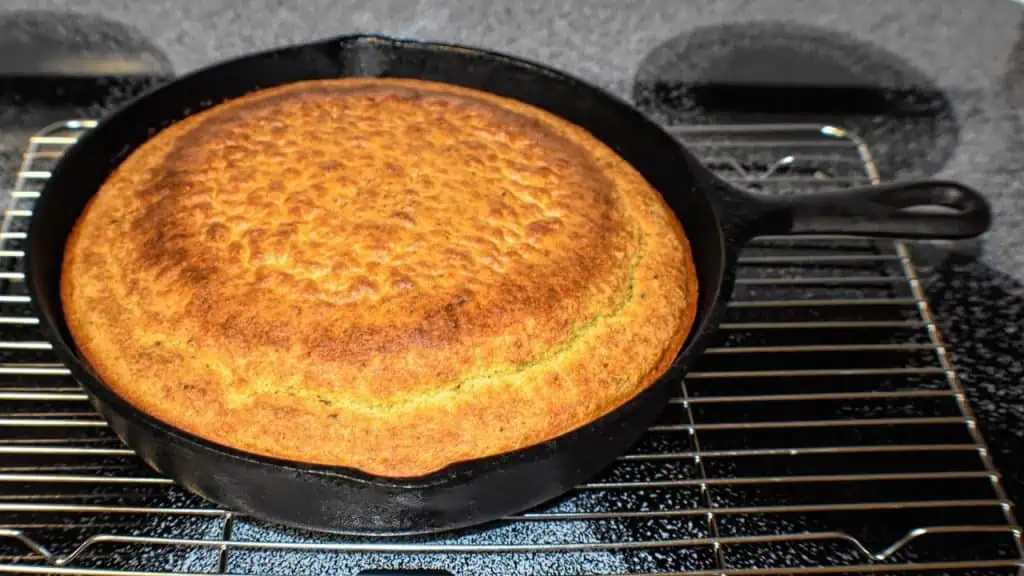
Cornbread, a beloved staple of Southern American cooking, finds its origins in European attempts to adapt traditional bread-making techniques using New World ingredients. Early settlers struggled with wheat shortages and turned to cornmeal as an accessible alternative. To achieve a tender crumb, use a combination of finely ground cornmeal and all-purpose flour. Mix with buttermilk to introduce a slight tang and baking soda for rise. For a perfectly golden crust, preheat a cast-iron skillet in the oven before pouring in the batter. The result is a warm, comforting bread with a crisp exterior and moist interior, perfect for any meal.


