
Ultra-Processed Foods May Fuel Anxiety, Study Finds

Ultra-processed foods, think fast food, sugary drinks, and packaged snacks, may be doing more than harming physical health. A Harvard study from the Nurses’ Health Study found women who ate nine or more servings daily faced a 50% higher risk of depression, while a BMJ meta-analysis tied these foods to a 22% increased risk of depression overall. With links to inflammation, dopamine disruption, and gut imbalance, growing evidence suggests these foods may fuel anxiety too.
Defining Ultra-Processed Foods

Ultra-processed foods (UPFs) go beyond simple packaged items, as they are industrial formulations made with ingredients rarely found in a home kitchen. Classified under the NOVA system, they typically contain refined sugars, oils, fats, and salt in high amounts, along with additives like flavor enhancers, emulsifiers, and colorings. Examples include sodas, fast food, sugary cereals, and packaged snacks. Unlike minimally processed or canned goods, UPFs are engineered for taste, shelf life, and convenience rather than nutrition.
The Harvard Study Revelation

A landmark Harvard study using data from the Nurses’ Health Study revealed a troubling link between ultra-processed foods and mental health. Women consuming nine or more servings of UPFs daily faced a 50% higher risk of developing depression compared to those eating four or fewer servings. The research also found heavy consumers of artificial sweeteners had a 26% greater risk. By excluding participants with pre-existing depression, the study strengthened evidence that diet may play a direct role in mental health.
Lebanese Study: A Global Pattern

A Lebanese cross-sectional study added nuance to the global conversation on diet and mental health. Researchers found that ultra-processed food intake was associated with higher risks of depression and anxiety, echoing international findings. Interestingly, processed, but not ultra-processed, foods like canned fish, legumes, vegetables, and fruits showed protective effects, lowering mental health risks. This distinction underscores that not all packaged or preserved foods carry the same dangers.
Brain Chemistry Under Siege
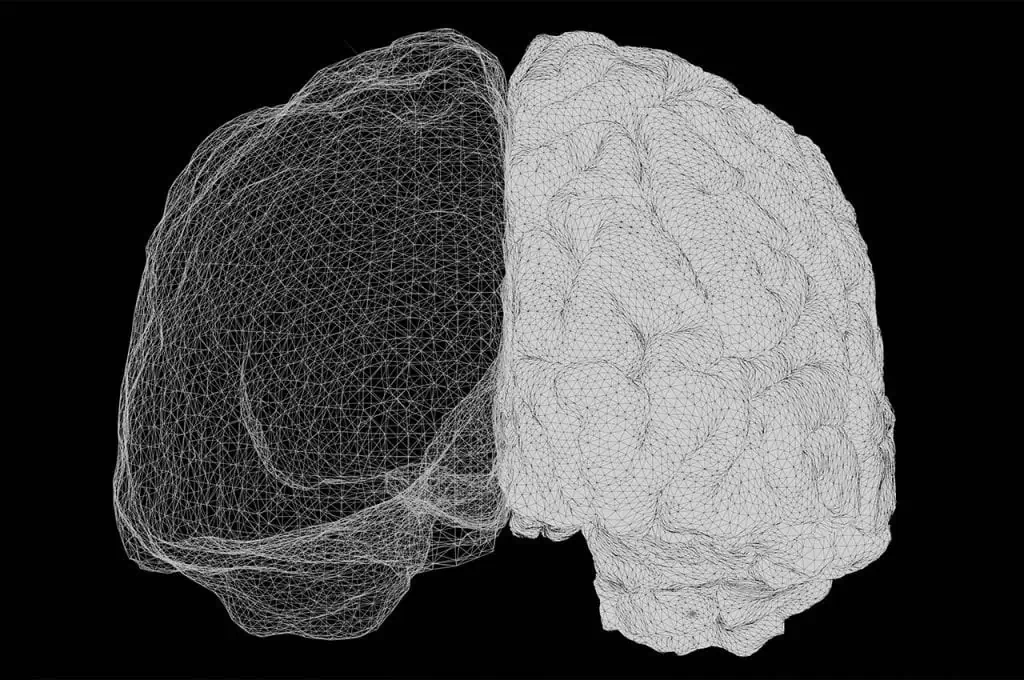
Ultra-processed foods may disrupt brain chemistry in ways that fuel anxiety and depression. Additives like artificial sweeteners, emulsifiers, and MSG can interfere with neurotransmitters such as serotonin, dopamine, and norepinephrine, which regulate mood and cognition. These disruptions may also trigger neuroinflammation and alter gut microbiota balance, both of which are closely tied to mental health. The result is a biological cascade that leaves the brain more vulnerable to emotional instability.
Dopamine's Role in Addiction

Dopamine, a neurotransmitter, plays a significant role in the reward system of the brain, underpinning addiction behaviors linked to ultra-processed foods. These foods, often high in sugar and fat, trigger dopamine release, creating a cycle of craving and satisfaction. For home cooks, understanding this can encourage a shift towards meals with balanced nutrients that foster sustained energy and satisfaction without unnecessary spikes. Focus on incorporating whole grains, fresh vegetables, and lean proteins to minimize addictive tendencies tied to processed foods.
Inflammation in the Brain
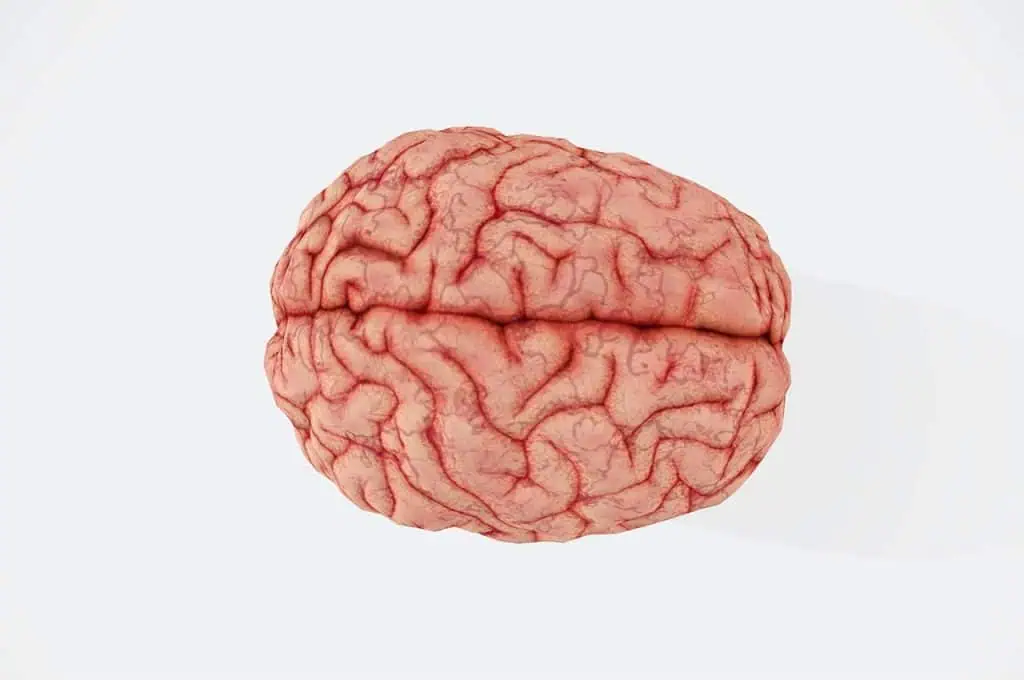
Studies suggest ultra-processed foods contribute to inflammation, potentially affecting brain health. This inflammation is thought to influence anxiety and other mental health issues. Cook with anti-inflammatory ingredients, such as turmeric, leafy greens, and fatty fish rich in omega-3s, to combat these effects. Prioritize home-cooked meals over processed ones to reduce inflammation and promote overall brain health. Simple practices, such as using olive oil instead of seed oils, can make a significant impact.
Pandemic Study from Brazil

During the COVID-19 pandemic, Brazilian researchers studied nearly 1,700 participants and found a strong link between diet quality and mental health. Those who ate more fresh foods experienced lower rates of depression and anxiety, while higher consumption of ultra-processed foods, like instant noodles, soft drinks, and artificial juice beverages, was tied to increased symptoms. The findings highlight how stress, limited access to fresh produce, and reliance on packaged foods worsened mental health outcomes.
BMJ's Staggering Statistics

A sweeping meta-analysis published in BMJ reviewed data from nearly 10 million participants and revealed striking risks tied to ultra-processed foods. The study found that high consumption was linked to a 21% greater risk of death from any cause, a 12% higher risk of type 2 diabetes, and a 22% increased risk of depression. Researchers also uncovered strong associations with cardiovascular disease and mental health disorders, underscoring the global public health crisis posed by these foods.
Physical Changes in the Brain

Long-term consumption of ultra-processed foods has been linked to structural changes in the brain, affecting regions tied to mood and behavior. To support brain health, emphasize nutrient-rich foods that foster neuroplasticity and cognitive function. Foods high in antioxidants, such as berries and dark chocolate, can counteract damage. Use cooking methods like steaming or roasting to preserve nutrients, making each meal a contributor to neurological health and resilience.
Young Adults: A Vulnerable Group

Young adults often gravitate towards ultra-processed foods due to their convenience and affordability. These foods, laden with additives and preservatives, can negatively impact mental health by potentially increasing anxiety levels. Understanding the composition of these foods is crucial. High sugar content and artificial ingredients can disrupt mood stability, making it important for this age group to be mindful of their dietary choices. Incorporating simple, whole ingredients in daily meals can combat these effects, providing a more balanced and nutritious approach to eating.


