
Whole Grains vs. Refined: What You Really Need to Know

Whole grains and refined grains, though often interchangeable in recipes, differ significantly in nutritional value and health effects. Whole grains retain all parts of the grain kernel: the bran, germ, and endosperm, offering a fuller profile of nutrients. In contrast, refined grains have had the bran and germ removed, losing valuable fiber, vitamins, and minerals. Understanding these distinctions can influence your cooking choices and enhance the health benefits of your meals.
Nutrient Loss in Processing
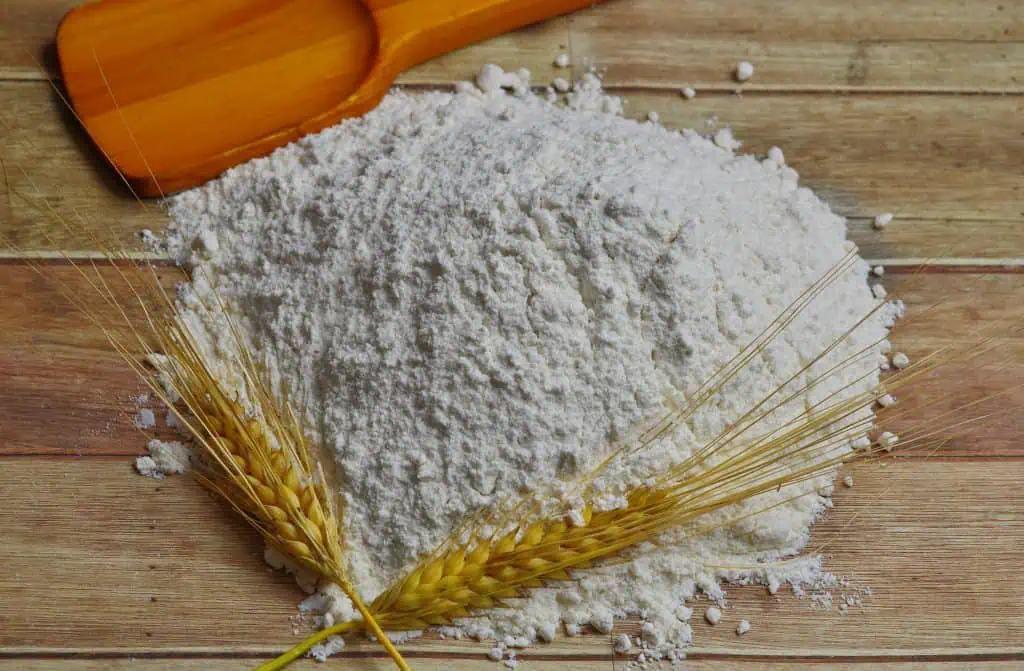
The processing of grains into refined forms strips away the bran and germ, resulting in the loss of crucial nutrients such as fiber, iron, and B vitamins. This loss not only diminishes the nutritional impact of these grains but also affects their flavor and texture. Whole grains maintain a nutty taste and hearty texture that enrich dishes, while refined grains, though softer, often require fortification to restore some lost nutrients. Choose whole grains to harness their full nutritional potential.
Energy & Efficient Digestion

Whole grains provide a more sustained energy release compared to refined grains, thanks to their complex carbohydrate structure. The fiber present in whole grains aids in slowing digestion, which stabilizes blood sugar levels and provides a more consistent energy source. Refined grains, lacking sufficient fiber, often lead to quicker energy peaks and valleys. The integration of whole grains into meals supports efficient digestion and can improve metabolic health over time.
Exploring Health Benefits

Incorporating whole grains into your diet can lower risks of heart disease, type 2 diabetes, and certain cancers due to their high antioxidant and anti-inflammatory properties. Whole grains, such as quinoa and farro, contain compounds that contribute to reduced cholesterol and improved overall heart health. They are rich in phytonutrients, which have been shown to provide protective effects against chronic illnesses, making them a vital addition to a health-conscious culinary repertoire.
Satiety and Weight Control

Whole grains contribute to a feeling of fullness and are effective in weight control strategies due to their high fiber content. This reduces overall calorie intake by promoting satiety and decreasing appetite between meals. Fiber-rich grains like oats and brown rice can help maintain a healthy weight and prevent overeating. The texture and natural flavor of whole grains also encourage mindful eating, which enhances satisfaction and helps manage portion sizes more effectively.
Smart Swaps for Better Choices

Incorporating whole grains into your meals can enhance both nutrition and flavor. Consider swapping white rice for quinoa or farro; these options offer a nutty taste and a delightful chewiness. When baking, replace half of the all-purpose flour with whole wheat flour to add complexity and a robust texture. Instead of instant oats, opt for steel-cut oats, which provide a heartier, creamier dish. Using whole grain pasta in place of traditional varieties not only boosts nutritional value but also adds a distinct, earthy flavor, elevating simple dishes to something special.


