
Cut Back on These 13 Foods to Support Weight Loss

To support weight loss, a strategic approach to food choices can be pivotal. It's essential to identify and reduce consumption of specific foods that may impede progress. By understanding their impact, you'll empower more effective dietary decisions. This guide focuses on adjusting or minimizing certain items in your diet, helping you achieve healthier outcomes without sacrificing satisfaction. Let's explore the role and alternatives of these foods.
Reevaluate Your White Bread Choice

White bread is made from refined flour that’s stripped of fiber and nutrients, which causes a rapid spike in blood sugar followed by a crash that leaves you hungrier sooner. Research in the American Journal of Clinical Nutrition links diets high in refined grains to weight gain and higher risk of type 2 diabetes. Swapping white bread for whole grain options provides more fiber, keeps you fuller longer, and helps regulate blood sugar.
Fruit Juice: Not So Innocent

Even 100% fruit juice can pack as much sugar as soda, but without the fiber whole fruit provides to slow absorption. This leads to quick blood sugar spikes followed by crashes, leaving you less satisfied. A BMJ study found that regular fruit juice consumption was linked to an increased risk of type 2 diabetes, while whole fruit had the opposite effect. For weight loss and better nutrition, eat the fruit instead of drinking it.
Granola: The Sugar Trap

Granola often masquerades as a health food, but it can be a hidden sugar bomb. Many store-bought varieties contain added sweeteners, oils, and dried fruits coated in sugar, making them calorie-dense with little protein to keep you full. A Harvard Health review noted that some granola can carry more sugar per serving than desserts like cookies. If you enjoy it, keep portions small or opt for homemade versions with oats, nuts, and minimal sweeteners.
Flavored Yogurt Pitfalls
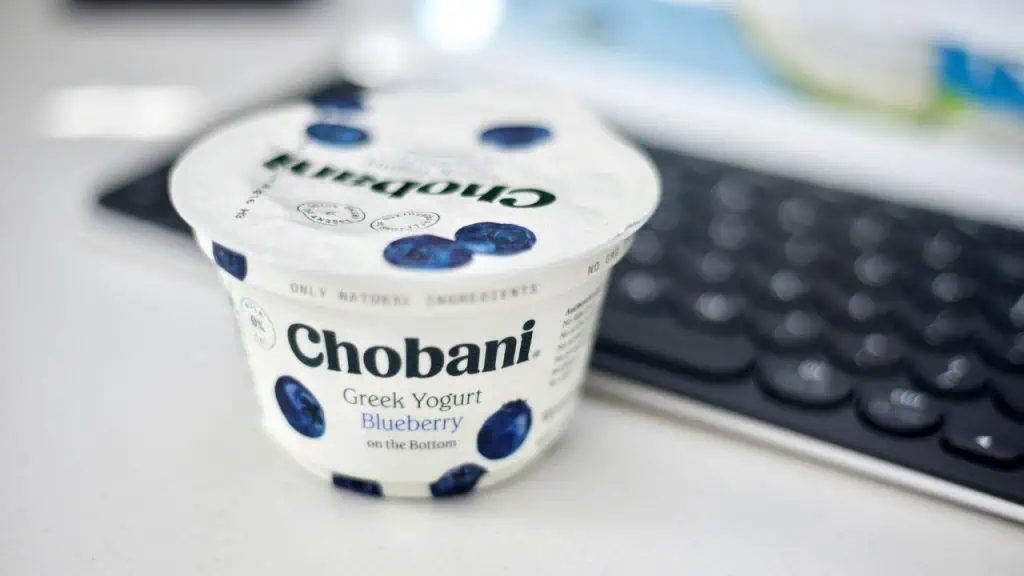
Flavored yogurts are often marketed as a healthy snack, but many contain as much added sugar as a dessert. A study published in Frontiers in Nutrition found that most flavored yogurts exceeded recommended daily sugar intake for children in just one serving. The low fat versions are especially sneaky—fat is removed and replaced with sugar to maintain taste. Choosing plain Greek yogurt with fresh fruit or a drizzle of honey gives you protein and probiotics without the sugar crash.
Fried Foods: A Greasy Grip
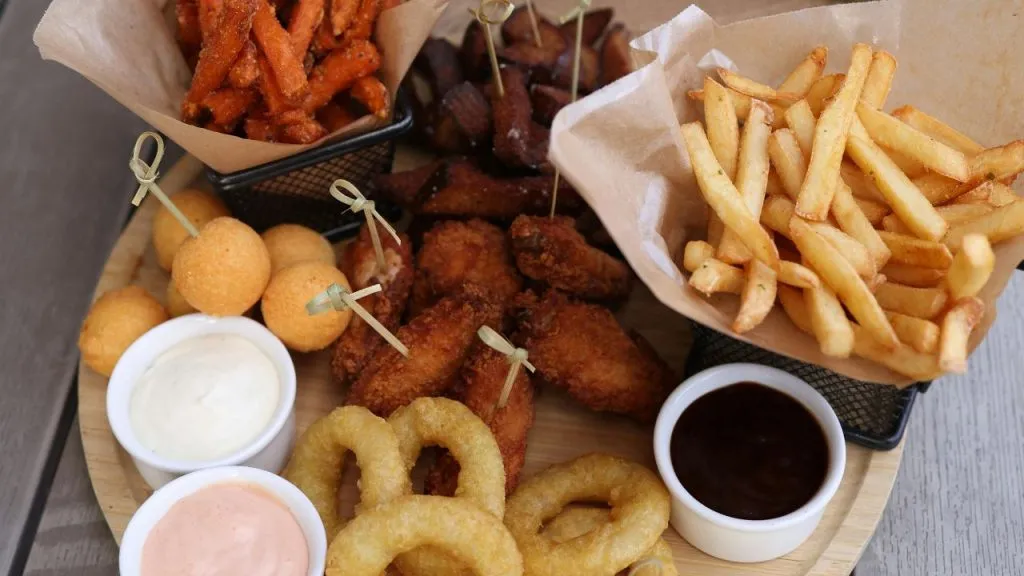
Fries, fried chicken, and battered snacks may be comforting, but they pack a heavy calorie load with little nutritional value. Research in the BMJ linked frequent fried food consumption to higher risks of obesity, type 2 diabetes, and cardiovascular disease. The problem lies not just in the extra calories but also in the refined oils and trans fats often used for frying. Opting for baked, roasted, or air-fried alternatives provides the crunch and flavor without the long-term health costs.
Sugary Cereals: Morning Deception
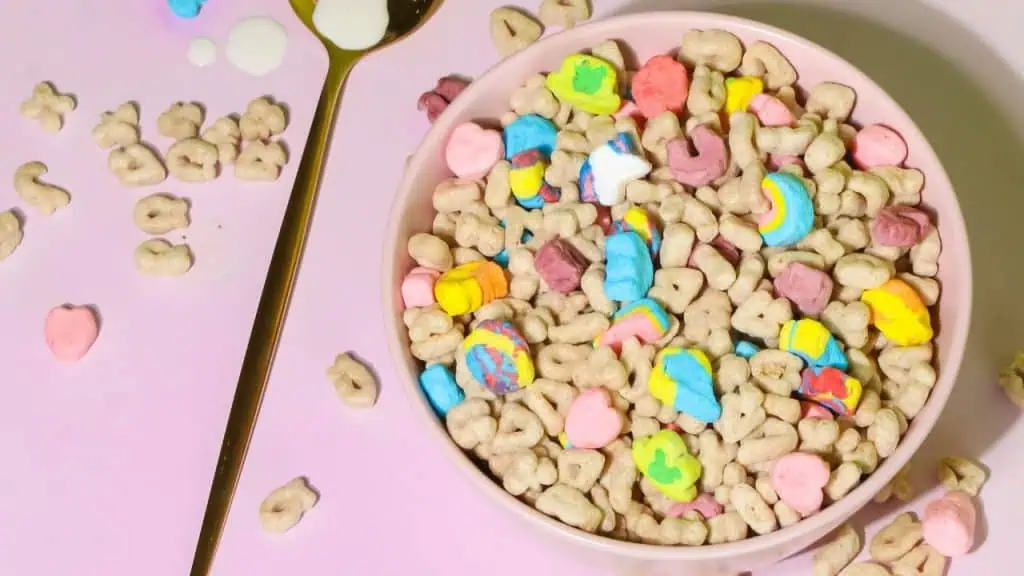
Cereals marketed as “wholesome” or “whole grain” often hide shocking amounts of added sugar. A study from the Environmental Working Group found that some popular brands are over 40% sugar by weight, rivaling desserts. These cereals cause rapid blood sugar spikes followed by crashes, leaving you tired and hungry well before lunch. Choosing options with at least 4 grams of fiber and minimal added sugar helps keep mornings steady and more satisfying.
Pastries and Baked Goods Beware

Muffins, croissants, and danishes may look harmless, but they pack a calorie punch with refined flour, butter, and sugar. Research published in the American Journal of Clinical Nutrition shows that refined carbs like these cause sharp glucose spikes that increase hunger soon after eating. Since they’re low in protein and fiber, pastries do little to sustain energy. Enjoy them as an occasional indulgence, but relying on them for breakfast can derail weight-loss efforts.
Processed Meats: Hidden Dangers
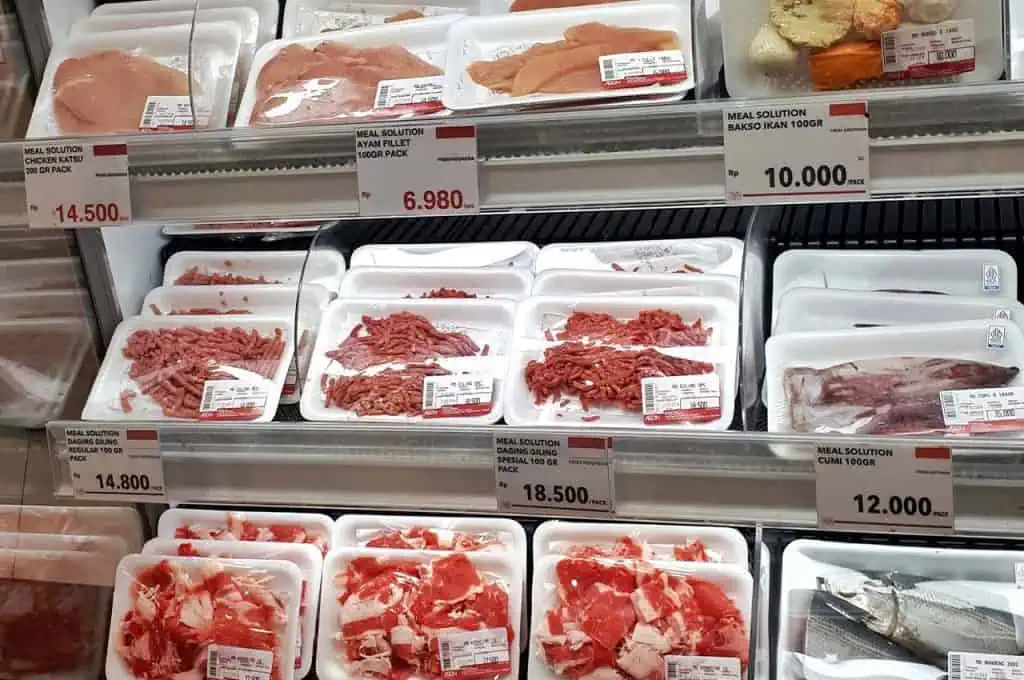
Bacon, sausage, and deli meats may be tasty, but they hide serious health risks. The World Health Organization classifies processed meats as Group 1 carcinogens, linking them to higher colorectal cancer risk. They’re also packed with sodium and saturated fat, which contribute to high blood pressure and heart disease. While they can feel satisfying in the moment, their nutrient profile offers little support for long-term weight goals. Lean proteins or plant-based swaps are far healthier picks.
Cheese: Watch Your Portions

Cheese is nutrient-rich, offering protein and calcium, but its calorie density makes overindulgence easy. Just one ounce of cheddar has about 115 calories and 9 grams of fat, much of it saturated. Research in the American Journal of Clinical Nutrition notes that frequent high-saturated-fat intake is linked to weight gain and cardiovascular issues. Instead of cutting cheese completely, keep portions small and pair it with fiber-rich foods so it satisfies without derailing weight goals.
Energy Bars: Not Always Healthy

Marketed as quick fuel, many energy bars are closer to candy than health food. They often contain added sugars, syrups, and processed ingredients, with some bars topping 300 calories. A Harvard Health review points out that many provide little fiber or protein to truly sustain you, leading to energy crashes. If you rely on bars, look for those with whole nuts, seeds, or oats and less than 10 grams of added sugar to avoid sabotaging your weight-loss efforts.
Creamy Sauces and Dressings Dilemma

Rich sauces like Alfredo or mayo-based dressings may seem harmless in small amounts, but they can double a meal’s calories without adding much nutrition. A Journal of the Academy of Nutrition and Dietetics study highlights that high-fat condiments are a hidden source of saturated fat and sodium, which contribute to weight gain when used frequently. Swapping them for lighter options like vinaigrettes, salsa, or yogurt-based dressings keeps flavor intact while supporting weight-loss goals.
Chips and Crackers: Crunchy Risks

That satisfying crunch often comes at the cost of nutrition. Chips and many crackers are usually made from refined grains, loaded with sodium, and low in fiber or protein, leaving you hungry soon after. Research from the American Journal of Clinical Nutrition shows that refined, salty snacks are linked to overeating and higher obesity risk. Instead, consider nutrient-dense swaps like air-popped popcorn, roasted chickpeas, or whole-grain crackers to keep both crunch and satiety on your side.
Ice Cream: Sweet but Sneaky

Ice cream may feel like the ultimate comfort treat, but it’s a calorie-dense mix of sugar and saturated fat that adds up quickly, especially since typical servings are often far larger than the recommended half cup. Research in Nutrients highlights that frequent consumption of high-sugar desserts can contribute to weight gain, insulin resistance, and poor heart health. Enjoying it occasionally is fine, but treating it as a nightly habit can quietly derail weight-loss progress.


