
10 Foods Experts Say You Should Never Reheat in the Microwave

Microwaves offer unparalleled convenience in reheating food, yet they aren't always the ideal choice for certain items. Experts caution against using them for specific foods due to potential health risks and quality degradation. Understanding which foods to avoid can enhance both safety and culinary enjoyment. Here, we explore ten commonly misunderstood microwave hazards, starting with well-known yet misunderstood staples.
The Exploding Risk of Hard-Boiled Eggs

Reheating hard-boiled eggs in the microwave can lead to explosive results. The rapid accumulation of steam under the egg's surface can cause it to burst unexpectedly. To avoid this, opt for reheating on the stovetop or consume them cold in salads or sandwiches. This preserves their creamy texture and mitigates mess and potential injury.
Breast Milk: Nutrient Preservation Concerns

Microwaving breast milk can unevenly heat it and destroy its valuable nutrients and antibodies. This not only affects its nutritional profile but also poses a scalding hazard. For the utmost safety and preservation of quality, warm the milk in a bowl of warm water, ensuring a consistent and gentle heat distribution.
Processed Meat: Health Risks Revisited

Reheating processed meats like bacon or sausages in the microwave can introduce health risks. High heat may prompt the formation of nitrosamines, harmful carcinogens. Additionally, the texture deteriorates, becoming rubbery or overly chewy. Opt for low heat on a stovetop to refresh processed meats while maintaining flavor integrity.
Rice: Beware of Bacterial Growth
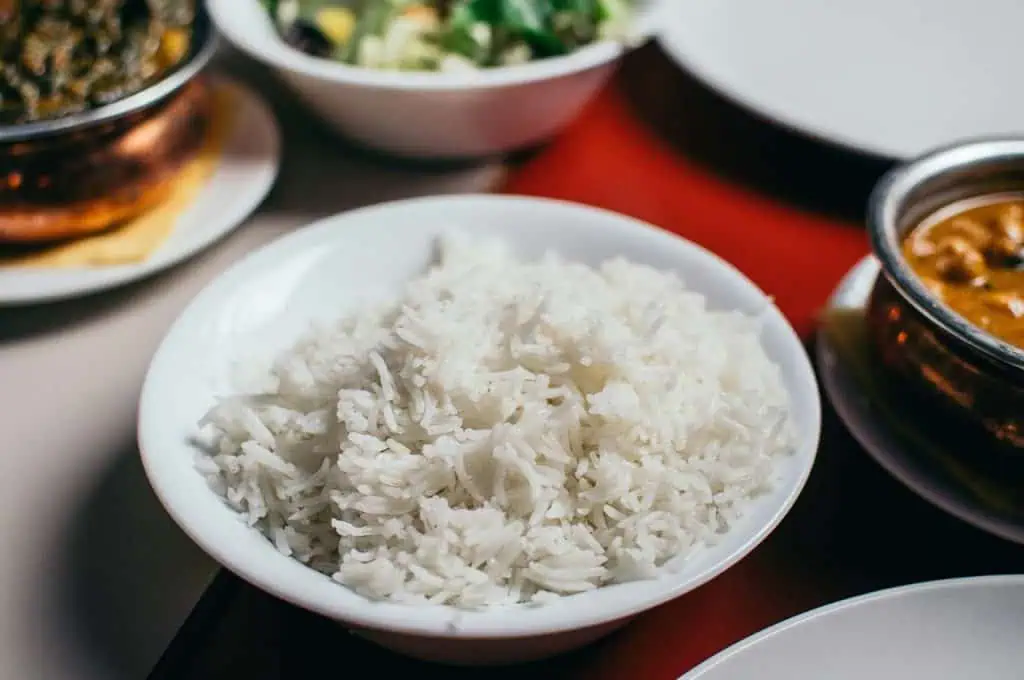
Rice can harbor bacteria called Bacillus cereus. When improperly reheated, residual bacteria can proliferate, leading to foodborne illnesses. For safe consumption, reheat rice gently on the stovetop while ensuring even heat distribution. Employing this method not only safeguards health but also enhances the rice's natural fluffiness.
Chicken: Maintaining Safety and Flavor
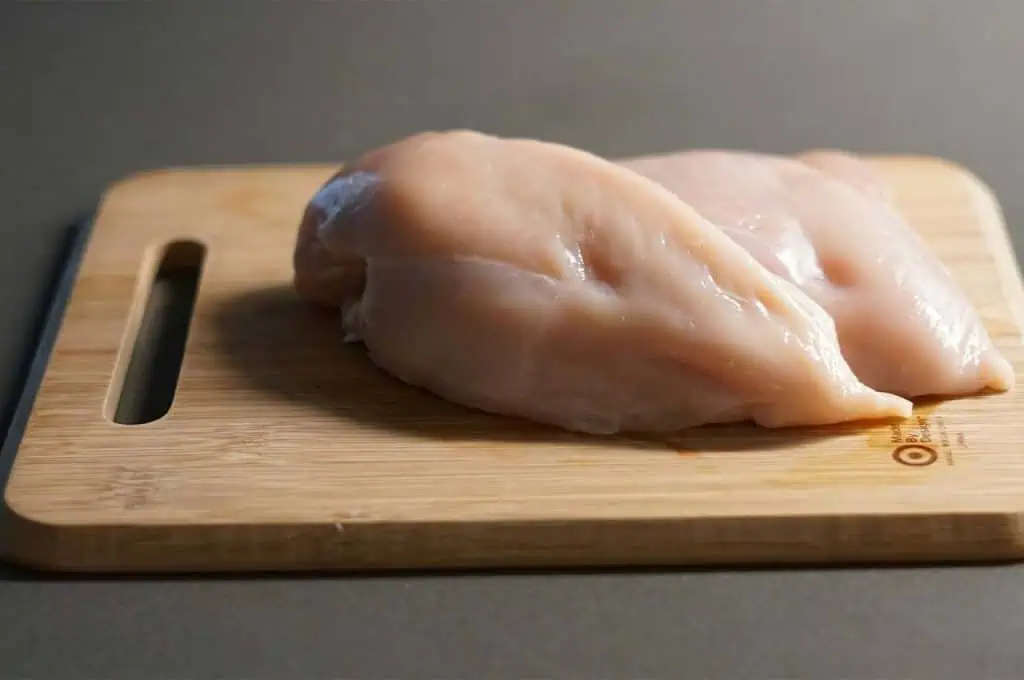
Reheating chicken in the microwave can lead to uneven cooking, posing a safety risk due to potential bacterial presence. The microwave's rapid heat fluctuations can cause protein strands to break down improperly, resulting in a rubbery texture. For best results, reheat chicken in an oven at a low temperature, covered with foil to retain moisture. This method ensures even heat distribution, preserving the meat's tenderness and flavor while minimizing health hazards.
Leafy Greens: Nutrient Loss and Toxins
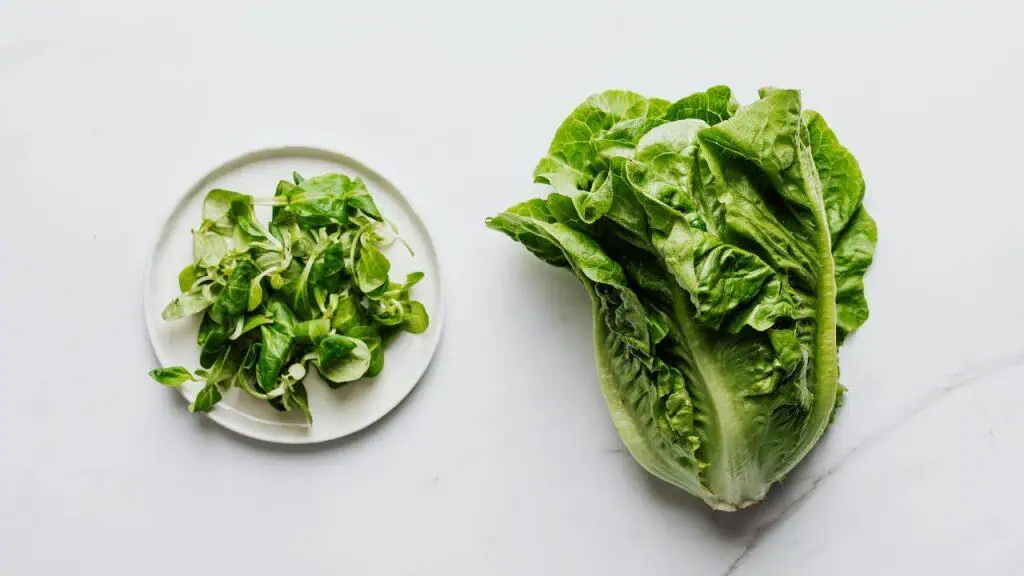
Microwaving leafy greens like spinach, kale, or lettuce can result in significant nutrient loss and may even produce harmful nitrates when reheated. These greens are best enjoyed fresh or warmed gently on the stovetop. A quick sauté with a small amount of olive oil allows vitamins and minerals to remain intact and enhances the texture, providing a more nutritious and flavorful dish.
Beets: Preserving Flavor and Texture

While beets can be reheated, doing so in the microwave can alter their earthy sweetness and cause them to become mushy. To maintain their vibrant flavor and firm texture, reheat beets by steaming them gently. This method ensures that the natural sugars are preserved, providing a delightful balance of taste and mouthfeel that's often lost in rapid reheating.
Hot Peppers: Airborne Irritation Hazard
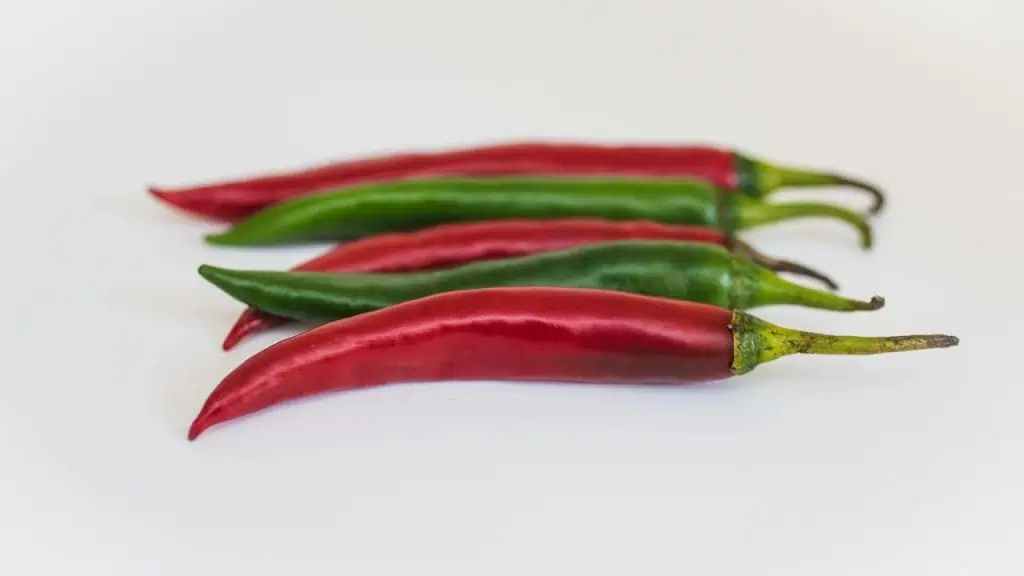
Reheating hot peppers in the microwave can cause capsaicin, the spicy compound, to vaporize, potentially irritating the eyes and respiratory system. To avoid this, gently reheat peppers in a well-ventilated area using a skillet over low heat. This approach minimizes the release of volatile compounds while allowing the peppers to retain their spicy kick and crisp texture.
Fruit: Texture and Taste Compromise

Fruits like apples and berries can turn mushy and lose their fresh taste when microwaved. This method disrupts their structure and dilutes natural flavors. Instead, gently warm fruits by stewing them on the stovetop or roasting in the oven. These techniques concentrate the juices and enhance their sweetness, keeping the fruits deliciously intact while enriching their natural profiles.
Potatoes: Avoiding Toxin Production
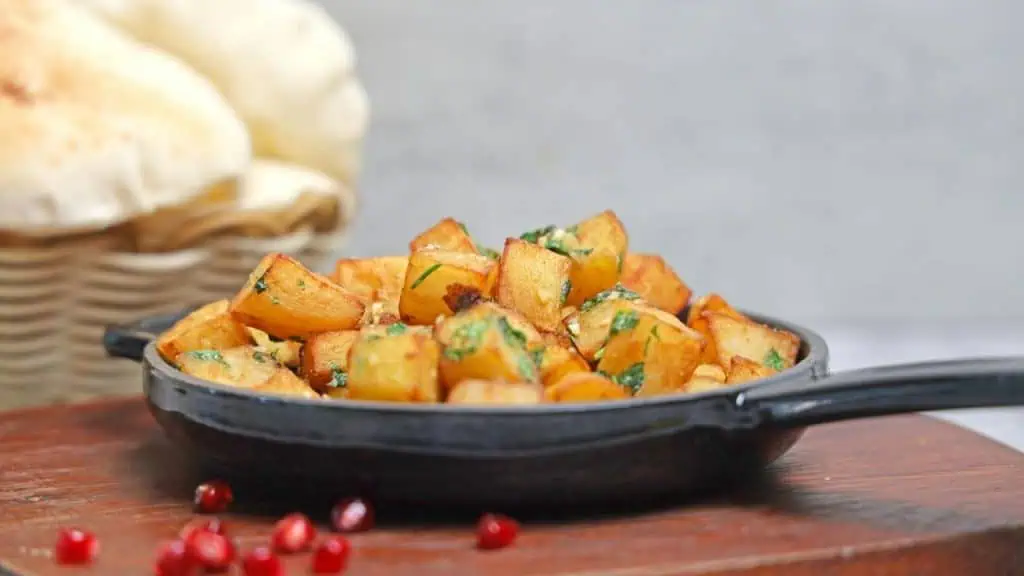
Reheating potatoes in the microwave might seem convenient, but it can lead to the formation of harmful compounds. When potatoes are cooked and not promptly cooled, they become an environment where Clostridium botulinum bacteria can thrive, potentially leading to botulism. Instead, after initial cooking, let potatoes cool quickly and store them in the refrigerator, ideally within two hours. When ready to reheat, use the oven, which ensures even heating and maintains a safe temperature throughout the potato, reducing the risk of toxin development.


