
Toxic Leftovers? 7 Foods You Should Think Twice Before Reheating

Certain foods carry risks when reheated due to changes in their chemical structure or potential for bacterial growth. This guide highlights seven foods that may not be ideal for a second round in the microwave. Understanding these risks can help you enjoy meals more safely and deliciously. Whether it’s a weeknight staple or a special treat, knowing how to handle leftovers is crucial for maintaining both flavor and health.
Rice: The Unexpected Risk
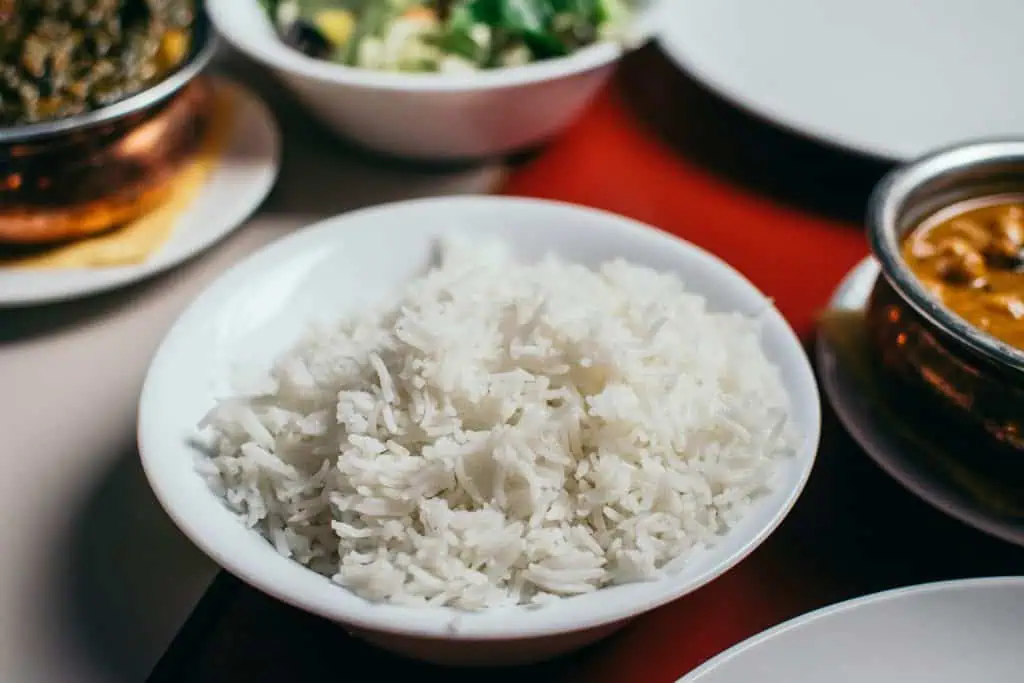
Reheating rice can be tricky due to Bacillus cereus, a heat-resistant bacterium. When rice is cooked, spores can survive and multiply if the rice is left at room temperature for too long. To minimize risk, cool rice quickly after cooking and refrigerate promptly. If reheating, ensure it’s piping hot and consume immediately. These steps help retain its delicate texture while keeping it safe.
Eggs: A Surprising Hazard
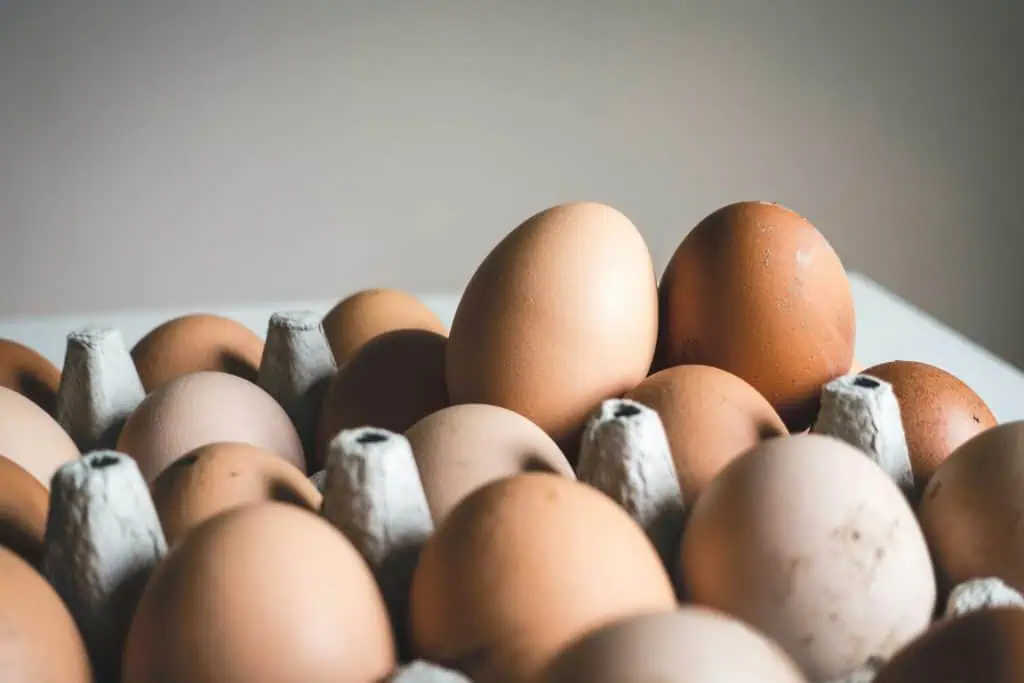
Eggs, particularly when boiled or scrambled, can become a risk if reheated improperly. This is due to potential bacterial growth, especially if eggs are left at unsafe temperatures. To avoid this, store cooked eggs in the refrigerator promptly and consume within a couple of days. When reheating, bring them to a consistent, safe temperature without losing their tender texture by using gentle heat.
Spinach: Nutrient Loss in Heat

Spinach, rich in nutrients, suffers during reheating due to its high nitrate content. When heated again, these nitrates can convert into potentially harmful compounds. To preserve its vibrant color and nutritional value, consume spinach cold if leftover, or briefly warm it through on the stove at a low temperature. When handled properly, spinach can remain a healthy addition to your meal.
Potatoes: Beware the Bacteria

Potatoes can harbor Clostridium botulinum if not stored and reheated properly. After cooking, cool them quickly and refrigerate to inhibit bacteria growth. When reheating, ensure they reach a high temperature to prevent foodborne illness. Proper handling preserves their creamy texture and distinct flavor, making reheated potatoes both delicious and safe.
Chicken: Safe or Sorry?

Reheating chicken requires careful attention to temperature and time. Due to its protein structure, chicken can develop harmful bacteria if not properly heated. To ensure safety, reheat your chicken to an internal temperature of 165°F (74°C). Use a food thermometer to verify. Consider slicing the chicken into smaller pieces, allowing more uniform reheating and reducing the risk of cold spots. Oven reheating at 350°F (175°C) helps maintain moisture, while microwaving should be done evenly, with frequent stirring. Always cover the dish to lock in steam and retain juiciness.
Mushrooms: Handle with Care

Mushrooms need particular attention when reheating due to their protein and enzyme content. If not handled properly, they may develop off-flavors and textures. To maintain quality, sauté mushrooms briefly over medium heat until just warmed through. Avoid microwaving, as uneven heating can lead to undesirable changes in taste and texture. Consider adding a splash of broth or a touch of butter to help retain moisture. Fresh-cooked mushrooms tend to fare better, so it's best to cook only what you plan to eat immediately for optimal flavor and integrity.
Seafood: Not Worth the Risk

Reheating seafood is a delicate task that can result in unpleasant odors and taste, and potential spoilage if not exercised with caution. Fish and shellfish can quickly become rubbery and lose their delicate flavors when reheated. If necessary, gently warm on low heat in a skillet with a dash of olive oil or lemon juice to enhance flavor and preserve moisture. Avoid the microwave, as it can quickly overcook even the most forgiving seafood. For best results, try to consume freshly cooked seafood to experience its intended texture and taste.


