
Same Food, Different Name: 15 U.S. vs. UK Food Name Swaps

Exploring culinary differences between the U.S. and the UK reveals intriguing contrasts, especially in food terminology. Understanding these variations enriches your cooking experience and broadens your culinary vocabulary. This guide will clarify common transatlantic food name swaps, enhancing your ability to navigate recipes and menus from both regions.
Cookies vs. Biscuits
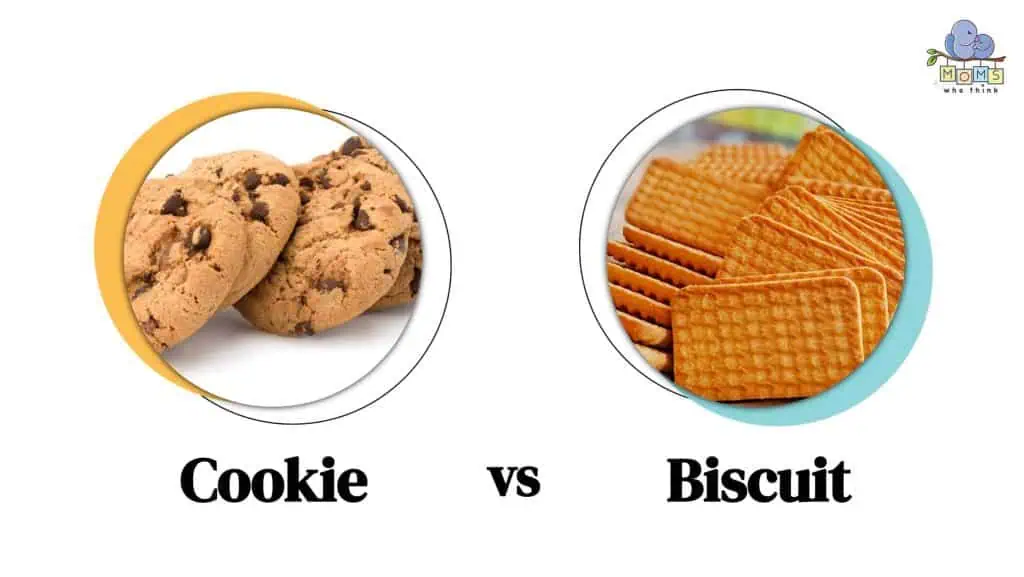
In the U.S., ‘cookies' typically refer to sweet, small baked treats with a soft or chewy texture, often containing chocolate chips or nuts. In the UK, however, these are known as ‘biscuits.' British biscuits are generally crisper and can vary from savory to sweet. Mastering a basic cookie dough offers versatility; add inclusions like oats or raisins for customized results.
Chips vs. Crisps
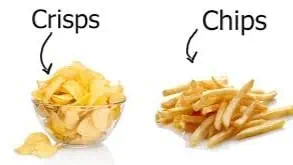
American ‘chips' are thin, crunchy slices of potato or other root vegetables, deep-fried or baked and seasoned. In the UK, these are called ‘crisps,' while ‘chips' there refer to what Americans know as ‘fries.' Ensuring even thickness during slicing promotes uniform cooking, and experimenting with seasonings can enhance flavors significantly.
Fries vs. Chips

In the U.S., ‘fries' are slender strips of deep-fried potatoes, often enjoyed with dips or condiments. The UK calls these ‘chips' and they are typically thicker and more substantial. Achieving a crispy exterior with a fluffy interior involves a two-step frying method, blanching first then frying at a higher temperature.
Zucchini vs. Courgette
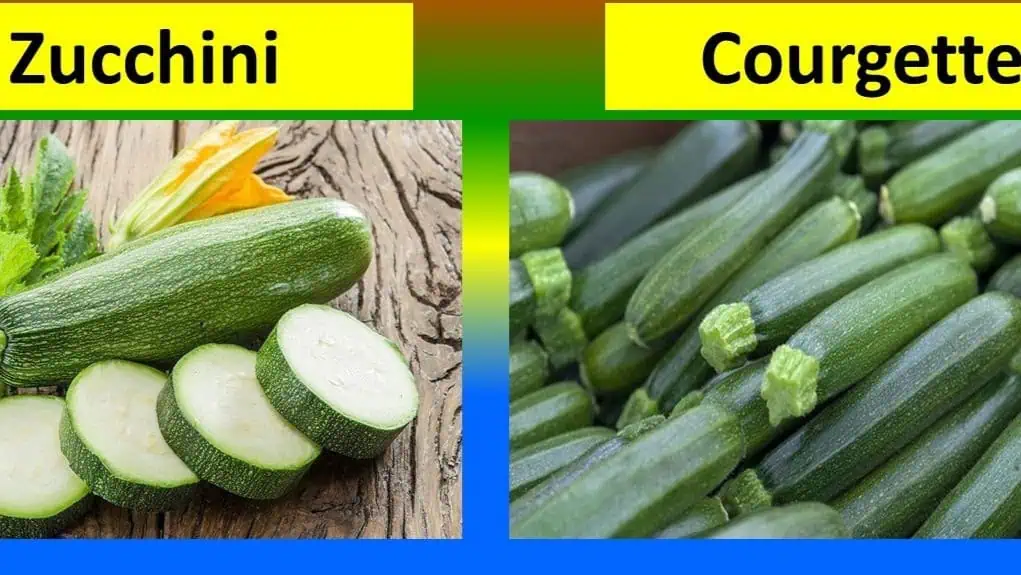
Known as ‘zucchini' in the U.S., this vegetable goes by ‘courgette' in the UK. A versatile ingredient, zucchini can be spiralized into noodles, grated for baking, or sliced for grilling. Selecting firm, glossy specimens ensures the best texture. To prevent wateriness in sautés, sprinkle with salt and drain before cooking.
Eggplant vs. Aubergine
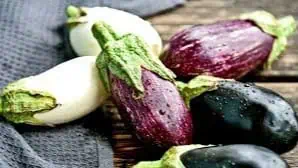
In the U.S., the versatile “eggplant” is known for its deep purple skin and creamy interior, often used in dishes like eggplant parmesan or ratatouille. In the UK, it's called “aubergine,” but the culinary applications remain the same. When selecting, look for firm, shiny skin without blemishes. To achieve the best texture, salting slices before cooking can help draw out excess moisture, reducing bitterness. Roasting or grilling enhances its natural sweetness, a step ideal for both Mediterranean and Asian recipes.
Ground Beef vs. Mince
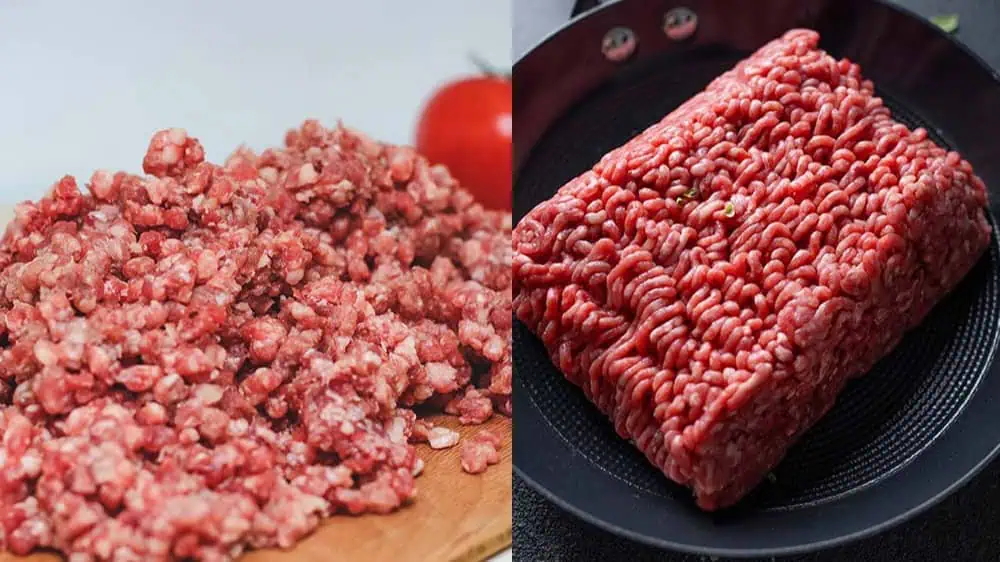
“Ground beef” in the U.S. is commonly used in burgers and stews, known as “mince” in the UK. The key to enhancing flavor lies in choosing the right fat content—leaner for sauces, fattier for burgers. When cooking, avoid overmixing to keep the texture tender. Browning the mince is crucial for developing a rich, savory base, achieved best by not crowding the pan. Seasoning during cooking ensures well-rounded flavors throughout, making it a staple for diverse dishes like bolognese or shepherd's pie.
Candy vs. Sweets

In America, “candy” refers to all manner of sugary treats, from chocolate bars to chewy gummies. Across the pond, these delights are collectively known as “sweets.” Achieving a perfect balance of sweetness, flavors, and textures is key. When crafting homemade confections, precision in temperature control during sugar cooking is vital to prevent crystallization and achieve a smooth finish. Incorporating contrasting textures, like adding nuts, and using high-quality ingredients, elevates both candies and sweets to an artisanal experience.
Cotton Candy vs. Candy Floss

This nostalgic treat is “cotton candy” in the U.S. and “candy floss” in the UK. It’s a spun sugar delight, known for its ethereal texture and vibrant colors. Making it at home requires a specialized machine, where granulated sugar is melted and spun through tiny holes, creating airy strands. The flavoring and coloring are integral, so use food-grade extracts and dyes to ensure safety and brilliance. Whether for fairs or celebrations, it remains a crowd-pleaser, offering a whimsical touch to any gathering.
Arugula vs. Rocket
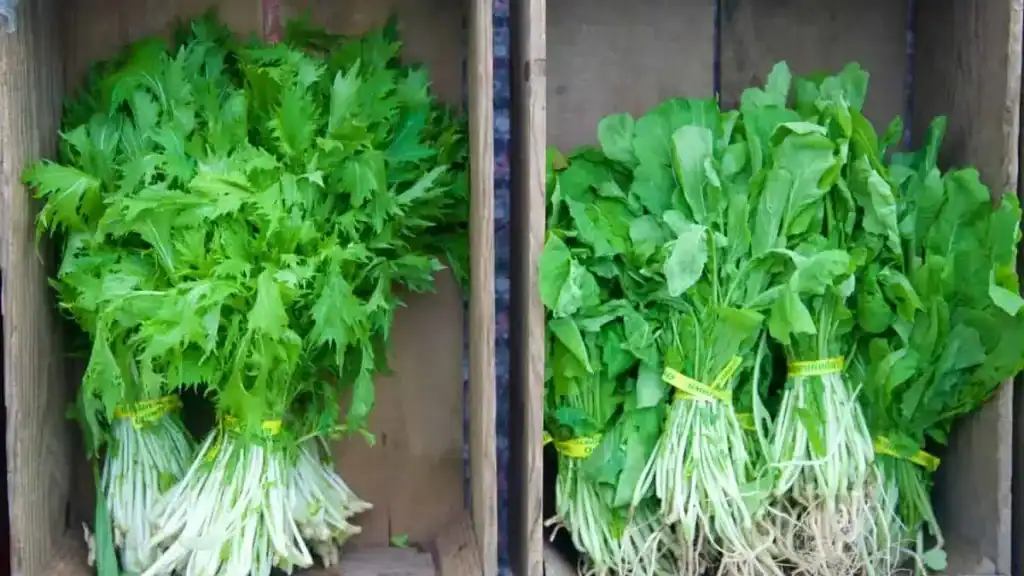
The peppery green known as “arugula” in the U.S. becomes “rocket” in the UK. Its distinctive, zesty flavor lifts salads, pastas, and pizzas. Selecting fresh, crisp leaves ensures the best taste and texture, while washing thoroughly removes any grit. To maximize the flavor, add it at the end of cooking or toss just before serving to maintain its vibrant integrity. Pair with tangy vinaigrettes or sharp cheeses like Parmesan for a sophisticated blend of tastes that enliven any dish.
Jello vs. Jelly

In the U.S., ‘jello' refers to a sweet, colorful dessert made from gelatin, often set in molds to create intricate shapes. It's essential to dissolve gelatin completely in warm water before cooling, ensuring a smooth texture. In the UK, ‘jelly' shares the same concept but is typically softer and more flexible, often poured over fruits for added flavor. When creating jelly, a gentle simmer helps release pectin from fruits, enhancing the set without synthetic additives. Both versions benefit from a careful balance of sweetness and acidity.
Rice Pudding vs. Semolina
Rice pudding in the U.S. is a creamy dessert, using short-grain rice that absorbs milk flavors during a slow simmer. Incorporate vanilla or cinnamon for depth. In the UK, semolina pudding offers a different texture, using wheat semolina and a creamy base. Heating the milk gradually prevents clumping, with a finish of nutmeg or lemon zest for brightness. Both require patience in stirring, providing a rich, comforting dish where subtle details like spice pairing elevate the result.
Shrimp vs. Prawns

In the U.S., ‘shrimp' are small, sweet seafood delights used in various dishes, from pastas to stir-fries. They are quick to cook, often sautéed in garlic and butter for optimal flavor. The UK prefers the term ‘prawns,' which are slightly larger, though similar in taste and preparation. Keep frozen shrimp and prawns submerged in simmering water for precise control over cooking time, preventing rubbery texture. Use fresh herbs and a squeeze of lemon juice to accentuate their natural sweetness.
Oatmeal vs. Porridge

Oatmeal in the U.S. typically features rolled oats cooked in water or milk, creating a hearty breakfast. Toppings like brown sugar or fruit enhance its earthy undertones. The UK’s ‘porridge' expands to include various grains beyond oats, all thickened into a creamy dish. Control the thickness by adjusting liquid ratios, cooking over low heat to avoid scorching. A pinch of salt in the base highlights the oats’ nuttiness, while experimenting with toppings, from honey to nuts, customizes the experience.
Biscuit vs. Scone

In the U.S., a ‘biscuit' is a flaky, buttery bread, often served alongside savory dishes. Achieving the right texture hinges on minimal handling of cold butter and dough. In the UK, a ‘scone' is slightly sweeter with a denser crumb, traditionally paired with jam and cream. Both demand careful attention to rising agents, whether baking powder or self-raising flour, which ensures a light interior. For best results, bake at a high temperature, allowing them to puff and turn golden quickly.
Cilantro vs. Coriander

In the U.S., the fresh, green leaves and stems of the plant are called cilantro, adding bright, citrusy notes to dishes like salsa or guacamole. Meanwhile, in the UK, these same leaves are referred to as coriander, while the dried seeds, known for their warm, nutty flavor, carry the same name worldwide. When using the leaves, integrate them at the last moment to preserve freshness. For seeds, toasting them beforehand can enhance their aroma and depth, making them an exceptional addition to curries and spice blends. Mastering both uses opens up diverse culinary possibilities.


