
11 Foods That Outperform Your Multivitamin, Says a Dietitian

In the quest for optimal health, whole foods often offer a complex array of nutrients that surpass supplements. This guide explores foods that naturally deliver essential vitamins and minerals, providing a powerful nutritional foundation.
Spinach: The Leafy Powerhouse

Spinach is a nutritional gem, offering high levels of vitamins A, C, and K. Its iron content supports red blood cell function. For maximum nutrient retention, quickly sauté spinach in olive oil with garlic. This method enhances flavor while preserving its natural vitamins.
Salmon: Omega-3 and Beyond

Rich in omega-3 fatty acids, salmon promotes heart health and cognitive function. Opt for wild-caught varieties for higher nutrient density. Grilling or baking with herbs like dill and lemon enhances its natural flavors while retaining essential nutrients.
Chickpeas: Protein and Fiber Boost

Chickpeas provide an excellent source of plant-based protein and dietary fiber. They support digestion and stabilize blood sugar levels. For a versatile dish, roast chickpeas with cumin and paprika to create a nutritious snack with a satisfying crunch.
Sweet Potatoes: Vitamin A Richness

Sweet potatoes are a powerhouse of vitamin A, crucial for eye health. Roasting them accentuates their natural sweetness. Slice into wedges, sprinkle with cinnamon, and bake until tender for a delicious side that's both nutritious and flavorful.
Almonds: The Vitamin E Giant

Almonds are a versatile nut rich in vitamin E, providing powerful antioxidant properties that protect cells from damage. Incorporate them into your diet by adding sliced almonds to oatmeal or yogurt. Roast them to enhance their nutty flavor—spread on a baking sheet and bake at 350°F for 10 minutes. Toss with sea salt or paprika post-roast for a savory twist. Remember, a small serving goes a long way; a quarter cup is both satisfying and nutritious. Almonds also offer healthy fats and a decent fiber content, making them a stellar snack.
Quinoa: The Complete Protein

Quinoa, a gluten-free grain, stands out as a complete protein source containing all nine essential amino acids. Rinse thoroughly under cold water prior to cooking to remove its natural coating, saponin, which can impart a bitter taste. Simmer one part quinoa to two parts water or broth to add depth; cover and cook for about 15 minutes until it's fluffy. Add it to salads, or substitute for rice to boost nutrient intake. The texture combines slight crunch with fluffiness, while its mild taste makes it a canvas for various flavors.
Broccoli: Vitamin C and K Combo

Broccoli provides an impressive dose of both vitamins C and K, crucial for immune function and bone health. For perfect tenderness, steam broccoli until bright green, approximately 4-5 minutes. Alternatively, roast it at 425°F for 20 minutes drizzled with olive oil to create caramelized edges and enhance its natural sweetness. Pair it with a squeeze of lemon for an added burst of flavor and extra vitamin C. Incorporating broccoli in stir-fries or as a side dish can enrich meals both nutritionally and texturally.
Blueberries: Antioxidant King
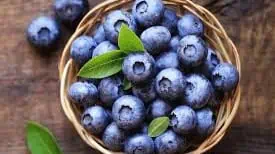
Blueberries are often heralded for their high antioxidant content, particularly flavonoids, which help combat inflammation. Enjoy them fresh, or freeze them without washing to maintain their integrity; rinse just before use. Add to smoothies, salads, or baked goods like muffins and pancakes. Their natural sweetness, accompanied by a subtle tartness, requires no embellishment. Use them as a vibrant topping for breakfast bowls or as a standalone snack. With their dynamic flavor profile and health benefits, they are a berry must-have.
Eggs: Packed with Nutrients

Eggs offer an efficient nutrient package, including protein, vitamins A, D, E, and B12, along with essential minerals. Cook them in various ways; poached, scrambled, or hard-boiled to suit your meal plan. To poach, create a gentle swirl in simmering water and slide the egg from a cup, cooking until whites set around the yolk. For a perfect soft-boiled egg, simmer for six minutes, then cool immediately. Each method provides a unique texture and enhances different flavors. Eggs’ versatility and nutritional profile make them indispensable in any diet.
Kale: The Super Green

Kale’s robust leaves are a treasure trove of nutrients, providing more Vitamin K than any other leafy green, crucial for bone health and blood clotting. Rich in Vitamins A and C, kale supports immune function and skin health. Prepare it by removing the tough stems and massaging the leaves gently with olive oil and lemon juice to break down fibers and enhance absorption. Sauté briefly for a tender texture or bake with a sprinkle of salt for crisp chips. Pair with nuts or seeds to complement its nutritional profile, ensuring a balanced and satisfying dish.
Lentils: Iron and Folate Power

Lentils are a versatile legume offering a substantial amount of iron and folate, essential nutrients for red blood cell production and prenatal health. These small pulses cook quickly, making them a convenient addition to various dishes. Rinse before use to remove dust, then simmer until tender—about 20-30 minutes. Incorporate into soups or salads, or purée into a creamy dip. Enhance their earthy flavor with aromatics like garlic and cumin, and serve alongside whole grains or vegetables to create a complete protein, offering a nutritionally dense meal option.


