
9 Vegetables Experts Don’t Recommend Growing

Gardening is a rewarding practice, but not all vegetables are created equal when it comes to home cultivation. Some require excessive space, particular climates, or have readily available store counterparts that make growing them less appealing. Identifying which vegetables might not be worth the effort can save you time and maximize your garden's bounty. Here are insights into why some veggies might not justify the care and space they demand.
Celery: The Challenging Stalks
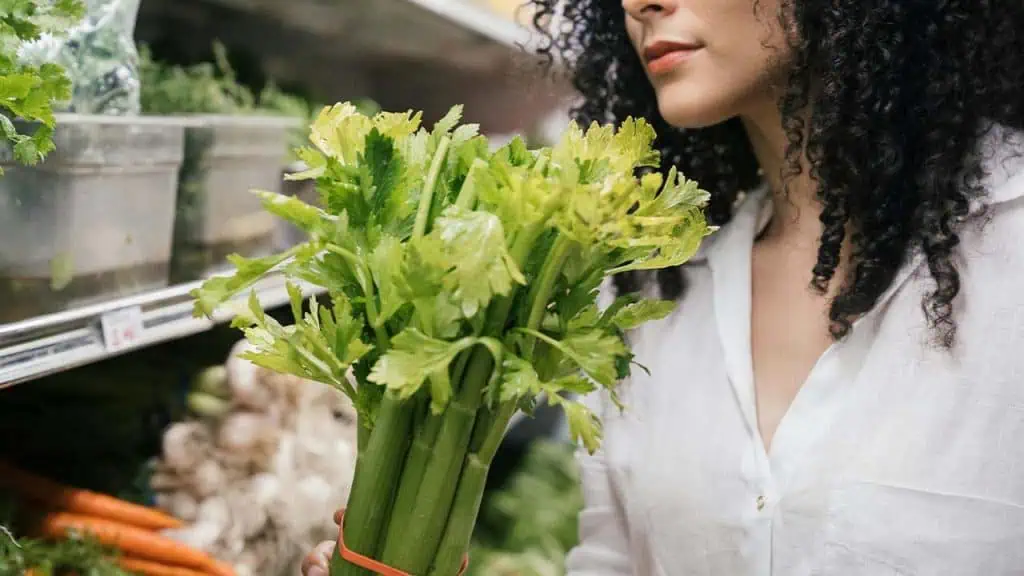
Celery is notoriously finicky, demanding constant moisture and cool temperatures. Its long growing cycle and specific conditions mean you'll need plenty of patience and a controlled environment, which many home gardeners find challenging. Moreover, celery readily loses its crunch if not carefully managed. Given its low cost and high availability, it might be more practical to focus your resources on less demanding crops, allowing for a broader selection in your garden.
Cauliflower: Space and Care Demands

Cauliflower requires ample space and consistent care, needing well-draining soil and meticulous pest control. The tightly packed heads are prone to pests like cabbage worms, and temperature fluctuations can ruin your harvest. Additionally, cauliflower takes up considerable garden space for a single crop. When compared to other, easier-to-grow vegetables, it becomes evident that its high maintenance doesn't match its output, especially when store-bought options are both affordable and reliable.
Corn: Room for Just a Few Ears
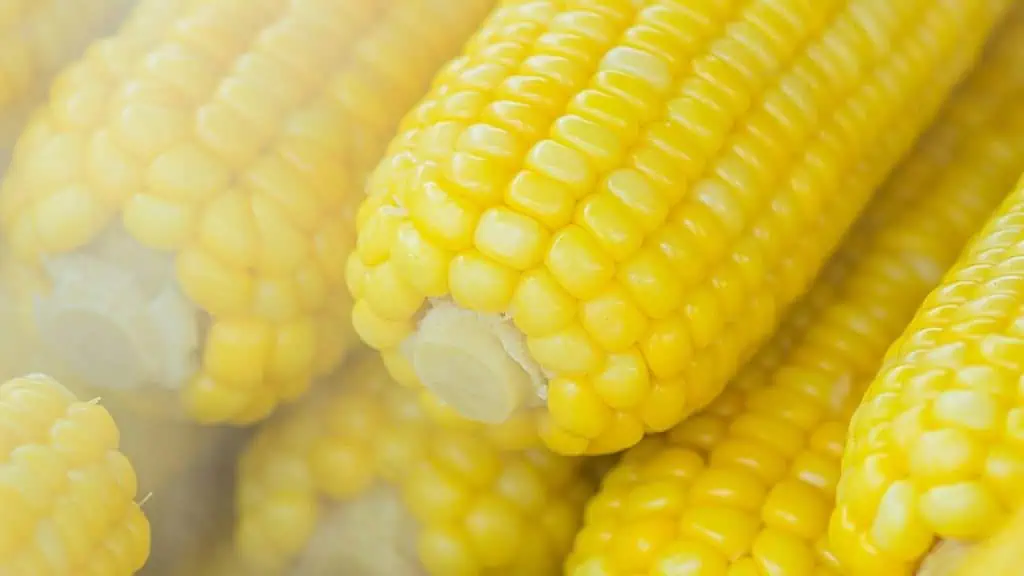
Growing corn at home can be a rewarding endeavor, but the space requirements often outweigh the yield. Corn needs large plots for successful pollination, and even then, each stalk produces only a few ears. Without sufficient room, you're likely to end up with less than optimal results. Considering its expansive nature and the ready availability of high-quality corn at markets, home gardeners might find better returns focusing on more prolific plants in their limited garden space.
Potatoes: Cheap but Land-Heavy

Potatoes are a staple, yet growing them can be deceivingly demanding. They require significant land to produce a meaningful yield and perform best in loose, nutrient-rich soil. Given that potatoes are inexpensive and readily available year-round, home gardeners might prefer to allocate their space to crops offering greater diversity and flavor profiles. By choosing plants that complement the garden rather than overwhelm it, you'll enjoy a more satisfying and varied harvest.
Watermelon: The Space Hog

Growing watermelon requires ample space and patience, making it a challenging choice for small gardens. Each plant needs at least 20 square feet to thrive due to its sprawling vines. The key to success is rich, well-drained soil and plenty of sunshine. However, the lengthy growing period and high water demand can outweigh the rewards if space or resources are limited. Consider using trellises to manage space, but be prepared for hefty fruits that may strain supports.
Asparagus: The Waiting Game

Asparagus requires commitment; its payoff appears only after two to three years. This perennial vegetable thrives best in sandy, well-drained soil rich in organic matter. Patience pays off with a harvest lasting up to 15 years, but initial planting demands careful attention to soil preparation and consistent weeding. If you're short on time or space, the wait might outweigh the benefits compared to faster-growing alternatives.
Carrots: Perfect Soil Required

Carrots demand loose, deep, and rock-free soil to grow straight and healthy. Heavy or rocky soil can cause misshapen or stunted roots, making them a challenging crop for less-than-ideal conditions. Ensure the soil is well-tilled and mixed with sand if needed. While rewarding when successful, carrots may not be worth the effort if your garden setup can't provide these precise conditions.
Brussels Sprouts: Pests and Patience

Brussels sprouts thrive in cooler weather but require a lengthy growing season and vigilant pest management. Cabbage worms and aphids are persistent threats. Regularly inspect plants and consider natural insecticides. Proper spacing and support are crucial, as plants can become top-heavy. Despite these challenges, the reward of fresh sprouts is unbeatable, yet patience and attention to detail are crucial from seedling to harvest.
Head Lettuce: Heat-Sensitive Greens

Head lettuce is prone to bolting in warm climates, making it tricky in areas with unpredictable spring weather. Sensitive to heat, it prefers cool, consistent conditions, ideally between 60-65°F. Plant in partial shade and keep soil consistently moist to ensure crisp leaves. Bolting leads to bitter taste and tough texture, which makes it a less reliable choice if local climate conditions aren't optimal.


