
The Smart Eater’s Guide to Whole Grains

Whole grains are a cornerstone of nutritious cooking, offering depth and richness to a variety of dishes. Understanding their unique qualities allows home cooks to create meals that are not only healthy but also flavorful and satisfying. This guide dives into the essentials of whole grains, providing techniques and tips to enhance their natural goodness in your kitchen.
Whole Grains: The Heart’s Best Friend

Incorporating whole grains into your diet benefits cardiovascular health, thanks to their high fiber content and essential nutrients. Choose grains like barley and oats, which are known for reducing cholesterol levels. Cooking them with aromatic herbs or a splash of citrus can elevate their earthy flavors, while ensuring you gain maximum health benefits.
What Whole Grains Truly Are
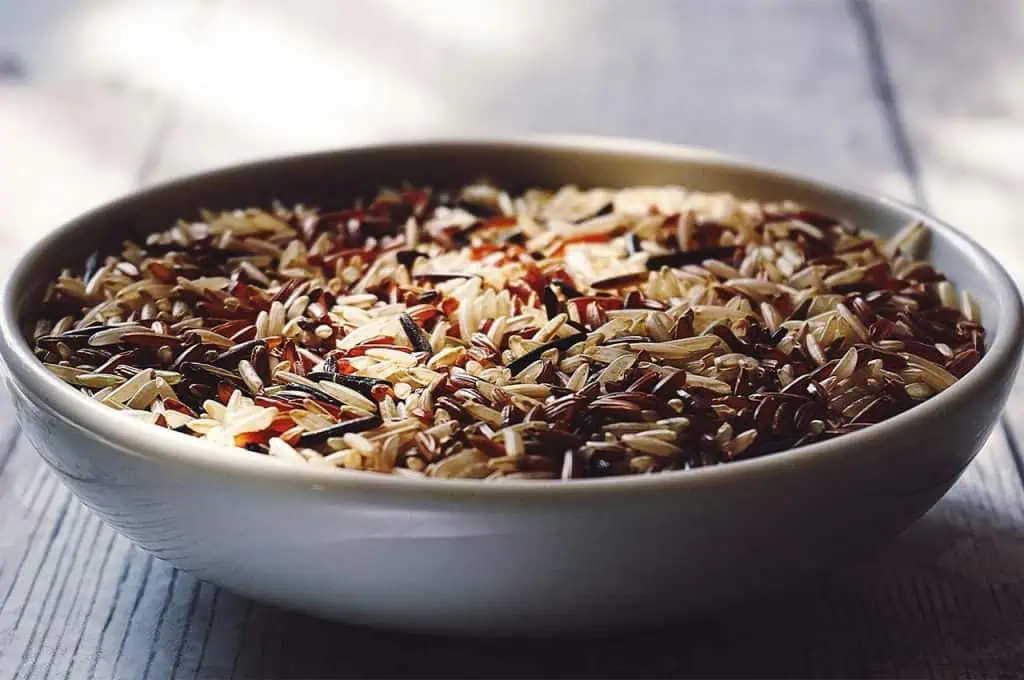
Whole grains contain the entire grain kernel, offering a rich source of fiber, proteins, and vitamins. Unlike refined grains, they maintain their bran, germ, and endosperm, providing nutritional advantages. When shopping, look for words like ‘100% whole grain' on labels to ensure you're selecting the most nutrient-dense products.
Quinoa: The Mighty Seed
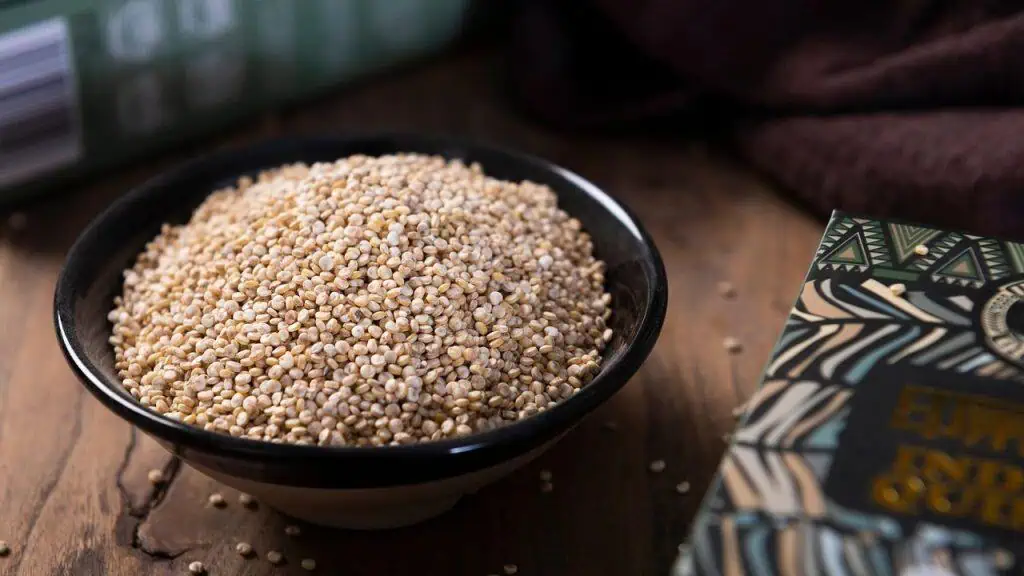
Quinoa, although technically a seed, is rich in complete proteins and versatile in preparation. Rinse thoroughly before cooking to remove any bitterness. It pairs well with a variety of ingredients, from roasted vegetables to spicy stews. Toasting quinoa lightly before adding water enhances its nutty aroma.
Amaranth: Ancient and Amazing

Amaranth is revered for its ancient roots and its high protein content. Cook it slowly for a creamy porridge or use it popped as a crunchy topping. Its mild flavor becomes a canvas for spices like cumin and paprika, making it adaptable to both sweet and savory applications.
Buckwheat: Not Your Average Wheat

Buckwheat, despite its name, belongs to a group of pseudocereals—seeds consumed like grains. Its nutty flavor and robust texture distinguish it from ordinary wheat. Perfect for gluten-free diets, buckwheat flour is ideal for pancakes and crepes, offering a tender crumb. Toast the whole groats, known as kasha, to deepen their earthy aroma before boiling. Pair buckwheat with savory elements like mushrooms or sweet notes like honey to enhance its versatility. Embrace its quick cooking time for a nutrient-dense addition to salads or grain bowls.
Oats: More Than Just Breakfast
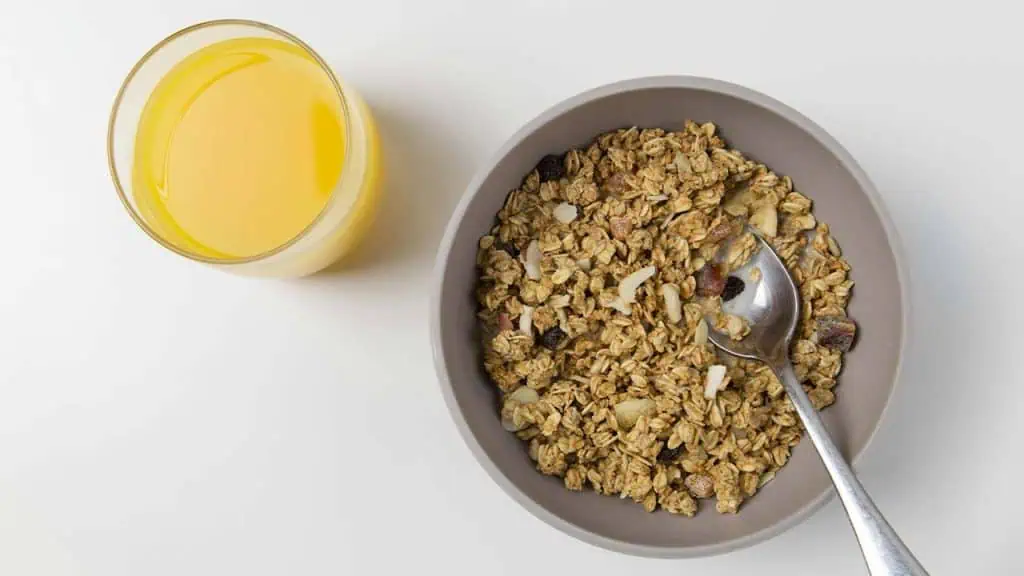
While oats are a breakfast staple, they excel in various roles beyond the morning table. Rolled or steel-cut oats bring a chewy texture to savory risottos or casseroles, absorbing flavors beautifully. Toast oats lightly to enhance their nutty quality before stirring into soups or using as a breading for chicken. Savor their soluble fiber in smoothies for a creamy consistency. For baking, remember that oat flour creates a moist and tender crumb in muffins and cookies, adding a distinct richness and depth to your creations.
Brown Rice: The Nutrient-Rich Staple

Brown rice, with its bran layer intact, offers more nutrients than its white counterpart. Its firm texture and slightly nutty taste make it a versatile base for countless dishes. Rinse thoroughly before cooking to remove excess starch, ensuring separate, fluffy grains. Master the absorption method—begin with a 2:1 water-to-rice ratio for perfect results. Brown rice pairs remarkably with vibrant vegetables or hearty stews, soaking up flavors while providing a dose of fiber. Keep a batch ready for quick weeknight meals or salads.
Whole Wheat: Bread’s Healthier Side

Whole wheat flour enriches bread with fiber and a distinctive warmth, offering a wholesome alternative to refined options. Its denser crumb requires adjustments—consider increasing hydration and extending fermentation to achieve optimal texture. The flour's robust flavor pairs wonderfully with seeds or flavorful herbs. In baking, maintain a balance with all-purpose flour for a lighter loaf. Whole wheat pasta also shines, adding a nutty note to your favorite dishes, making it a nourishing substitution without sacrificing taste.
Barley: The Unsung Hero

Barley, often overshadowed by other grains, deserves its place in everyday cooking for its chewy texture and subtle earthy flavor. Pearled barley cooks faster than hulled, ideal for soups or tender salads. Simmer with aromatic herbs or spices to enhance its natural taste. Its ability to absorb liquids makes it a perfect thickener for stews or a creamy risotto alternative. Nutritionally, barley offers impressive amounts of fiber and B vitamins. Use it to replace rice or pasta for a hearty, understated depth in your dishes.
The Science of Grain Power

Whole grains are nutritional powerhouses packed with fiber, vitamins, and minerals. Their outer bran layer contains fiber and B vitamins, which aid digestion and energy. The germ, the core, offers healthy fats and antioxidants. Together, these components balance blood sugar and improve heart health. Cooking with whole grains like quinoa, farro, and barley preserves their nutrients while providing hearty textures. Rinse grains thoroughly before cooking to remove any residual dust, enhancing both flavor and digestion. Utilizing correct cooking methods, such as simmering in flavored broths, can elevate your dish by adding depth and richness.


