
Think Twice Before Washing These 7 Foods

Washing food is a common step in many kitchen routines, but it’s important to know which items truly benefit from this practice. Sometimes, rinsing can do more harm than good, potentially spreading bacteria or altering texture. Understanding the right approach when preparing food not only ensures safety but can also enhance the quality of your dishes. Here, we delve into specific foods you should reconsider washing, guiding you toward healthier and more effective cooking habits.
The Truth About Raw Chicken
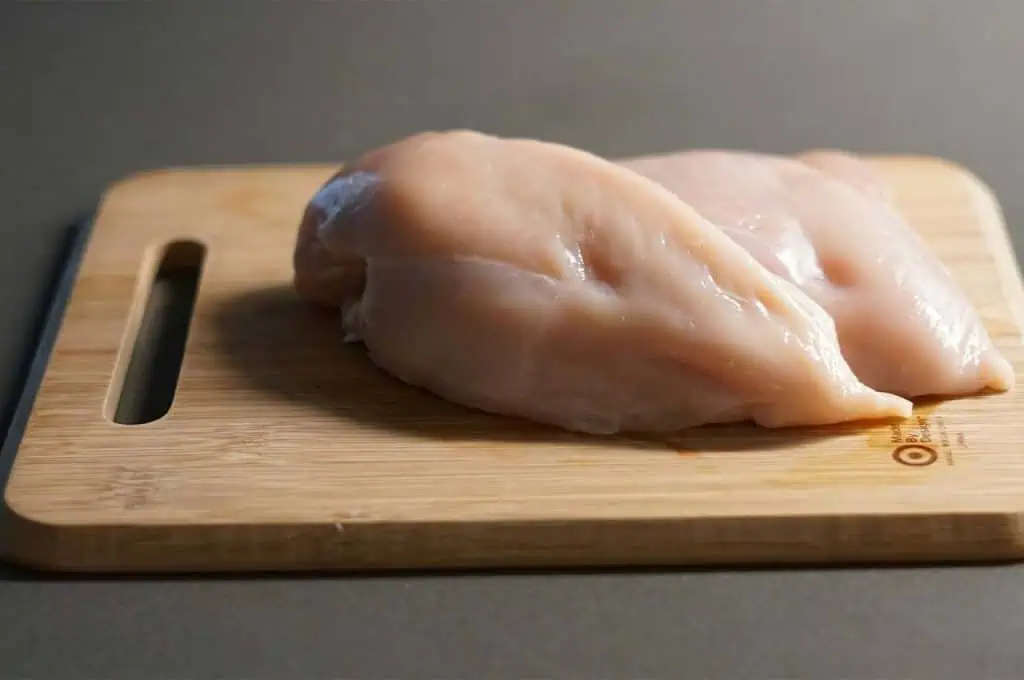
Contrary to popular belief, washing raw chicken under running water can spread harmful bacteria such as salmonella across your kitchen surfaces. Instead, focus on cooking chicken to the right internal temperature of 165°F (74°C) to kill any bacteria. Handling chicken carefully and cleaning your hands and utensils thoroughly after contact ensures safe preparation. Opt for a vinegar or citrus marinade if you're keen on additional cleaning methods for flavor without the risk.
Store-Bought Eggs: To Wash or Not?

Store-bought eggs come with a natural protective coating that helps prevent bacterial penetration. Washing eggs can remove this layer and increase the risk of contamination. In the U.S., eggs are thoroughly cleaned before packaging, making additional washing unnecessary. Store them in the refrigerator, ideally in their original carton, to maintain freshness and protect against temperature fluctuations.
Pre-Washed Salad Greens: Safe or Sorry?
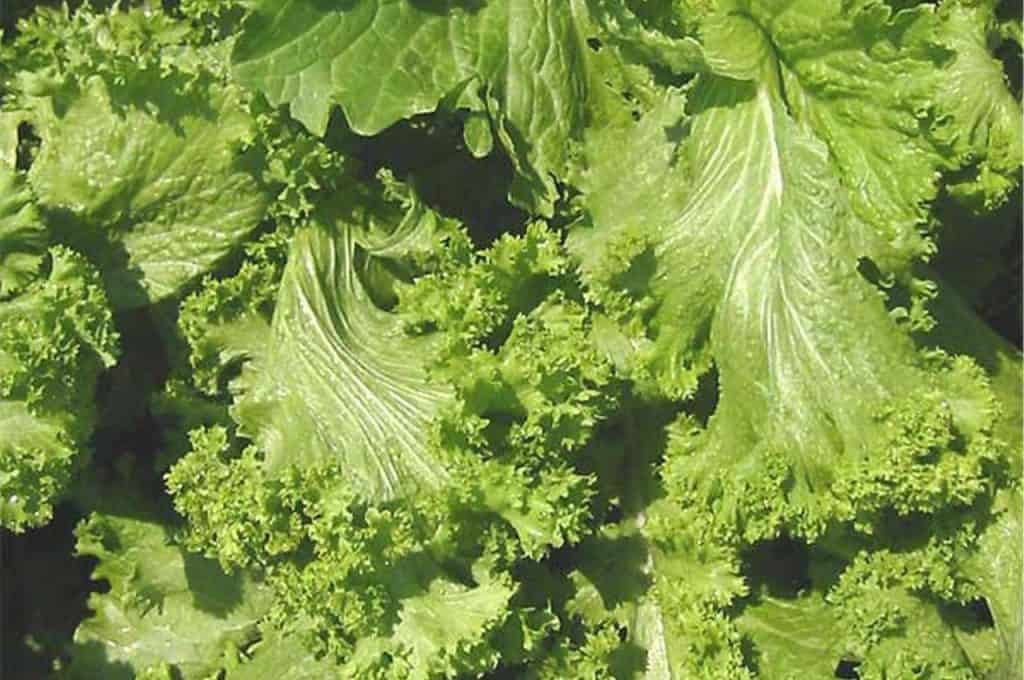
Packages labeled “pre-washed” or “triple-washed” indicate that the salad greens have been thoroughly cleaned before packaging, making additional washing redundant. Rinsing pre-washed greens might increase the risk of contamination from your kitchen tools or surfaces. To maintain crispness, store greens in the crisper drawer of your refrigerator in their original bags or a tightly sealed container to prevent wilting.
Why Washing Mushrooms Matters

Mushrooms are porous, and rinsing them can lead to waterlogged, mushy results. Instead, use a damp cloth or soft brush to gently remove dirt or soil just before cooking. By handling mushrooms delicately, you maintain their firm texture and maximize flavor. If you must rinse them, do so briefly and pat them dry immediately, using them promptly to preserve their quality and culinary appeal.
Cooked Rice: The Hidden Peril
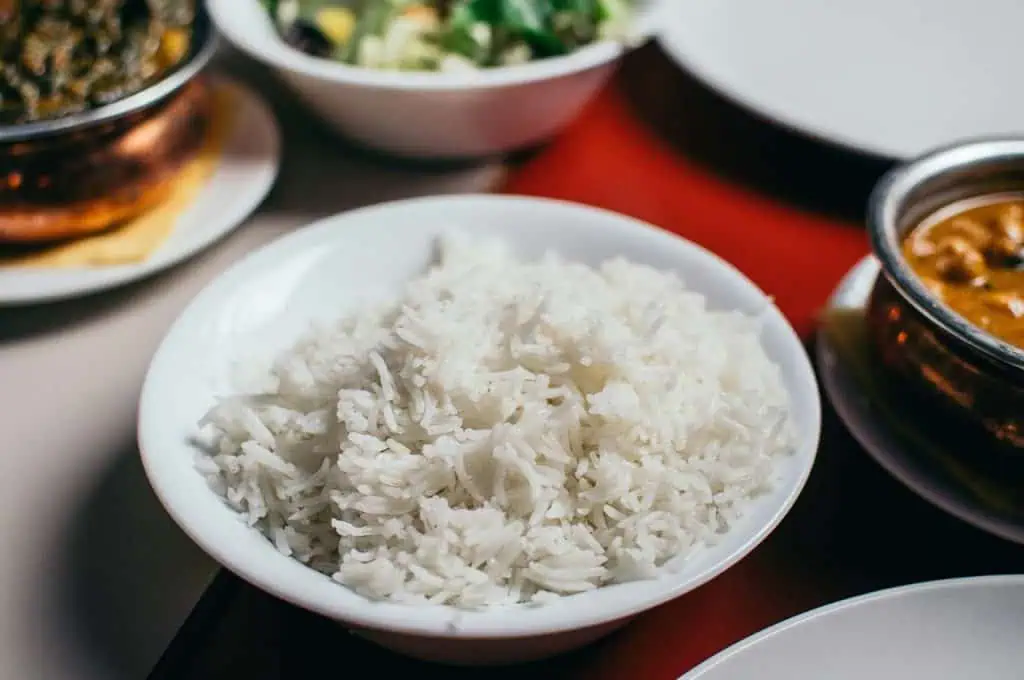
Rinsing cooked rice may seem like an unnecessary step, but it compromises the texture and flavor. Cooking rice properly—a gentle simmer in measured water—results in perfectly separated grains. Washing it afterwards, however, makes the rice waterlogged and mushy, diluting its delicate taste. Instead of washing, focus on using a fork to gently fluff the rice, preserving its integrity. Achieving well-cooked rice starts with rinsing raw grains to remove excess starch, but once it's cooked, let it shine without additional moisture.
Raw Turkey: Similar to Chicken?

Washing raw turkey is an instinct many transfer from chicken preparation, yet it’s both ineffective and risky. Any bacteria present are best eliminated through proper cooking, not rinsing. Water splashes can spread these bacteria across kitchen surfaces, increasing cross-contamination risks. Instead, ensure cleanliness through maintaining raw meat handling protocols and focus on thorough cooking. Patting the turkey dry with paper towels enhances browning during roasting, yielding crisp skin without the wash-and-splash hazard.
Fresh Pasta: A Washing Misstep
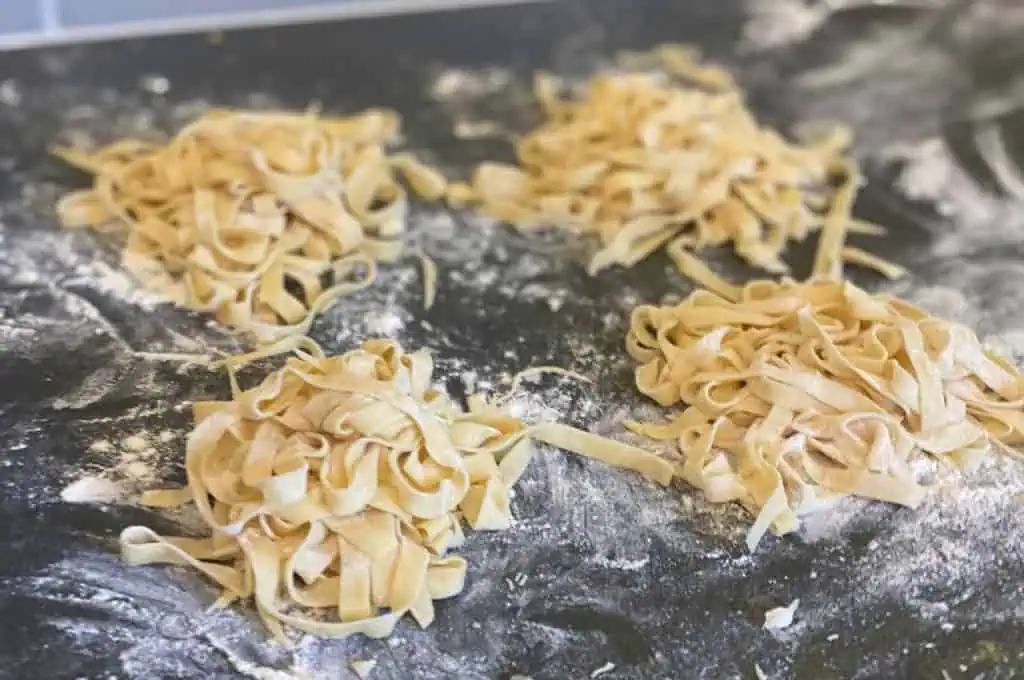
Unlike dried pasta, fresh pasta requires no washing before cooking. Rinsing strips away essential starches that help sauces adhere. Instead, gently separate any clumped noodles in their packaging. When boiled, prioritize slightly salted water to enhance pasta's natural flavor, and cook to achieve al dente perfection. The retained starch thickens and clings, ensuring a sublime meld with sauces. Post-cooking, a quick transfer to a simmering pan of sauce elevates each dish and retains the exquisite freshness of the pasta.


