
A Crispy Legacy: The Untold Story of French Fries

Crisp, golden, and universally beloved, French fries are a culinary icon. Their straightforward appeal hides a complex history that spans continents and centuries. Though often relegated to a side dish, fries possess a remarkable versatility, adapting to diverse flavors and techniques. Whether you prefer them thin and crunchy or thick and fluffy, mastering the art of the fry can elevate your cooking repertoire. Journey with us as we explore this staple’s roots, its global journey, and its countless interpretations.
Belgian Origins: The Birth of the Fry

The true birthplace of the French fry is often disputed, but many food historians point to Belgium. As legend has it, villagers in Meuse would fry small fish, but when the river froze, they turned to potatoes instead, creating the first fried potatoes. Traditional Belgian fries are sliced thick, fried twice—first at a lower temperature to cook them through, then at a higher temperature for crisp perfection. The key is to use a starchy potato like a Russet and maintain consistent oil temperature for even cooking.
Fast-Food Frenzy: America's Love Affair
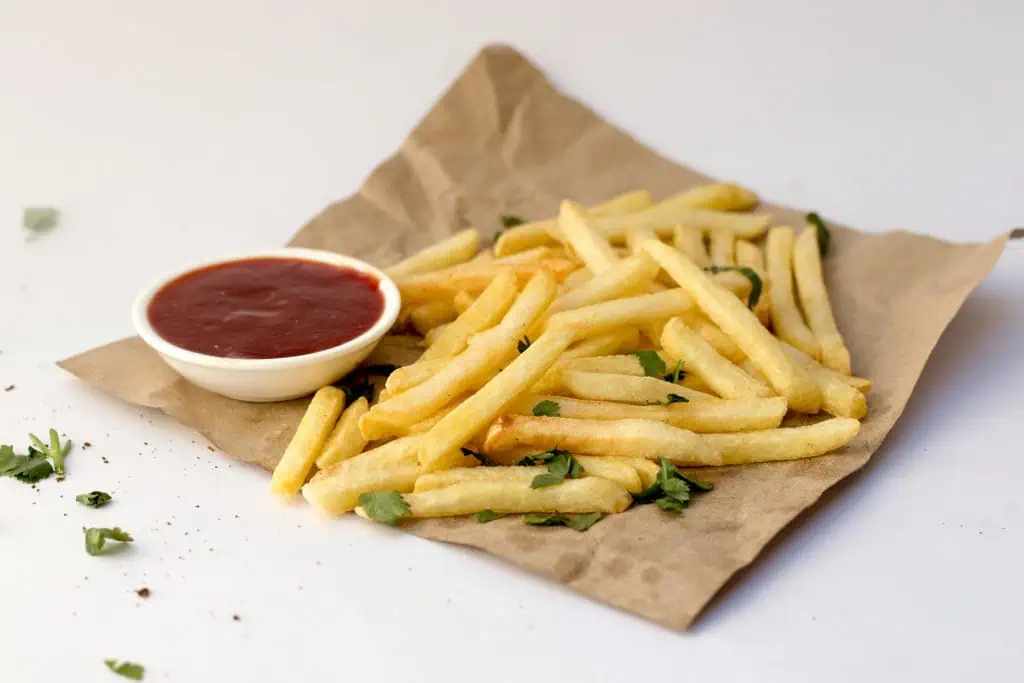
In America, the French fry became a cultural phenomenon through fast-food chains. McDonald's perfected the mass production and consistent quality, making fries synonymous with the American fast food experience. The secret lies in the precision of each step—blanching, freezing, then frying to achieve that golden crunch. Fast-food fries are typically shoestring cut, offering a higher surface area for crispiness. Try adding salt immediately after frying to ensure it clings to the hot surface, enhancing flavor.
War-Time Travels: Fries Across Europe
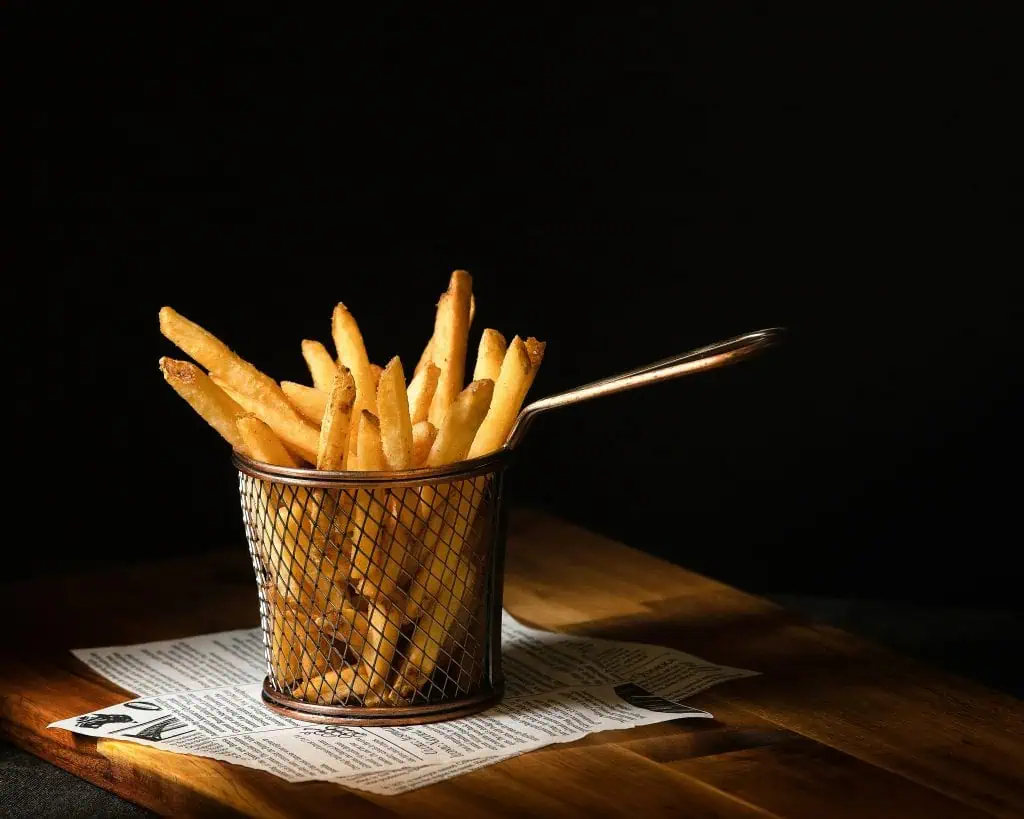
During both World Wars, American soldiers stationed in Europe encountered fries and brought their fondness back home. This cross-cultural exchange helped popularize fries beyond Belgian and French borders. Different regions adapted the method—Britain loves chips, thicker with a fluffy interior. Frying times and cuts may vary, but the focus remains on achieving the perfect oil temperature to prevent sogginess. Remember, drying potatoes thoroughly before frying prevents excess moisture that can dampen the result.
Poutine, Curry, and More: Global Twists

Around the world, French fries take on exciting local flavors. In Canada, they transform into poutine, a savory blend of fries topped with cheese curds and gravy. India spins them with spicy curry seasonings while in the Middle East, they're tossed with bold spices. Experiment with toppings but respect the base—ensure the fry retains its textural integrity. Use a variety of cuts and sauces, embracing creativity without compromising the crispy allure. Each twist tells a new story, expanding the fry’s delicious legacy.
From Health Concerns to Air-Fry Craze

Increasing awareness of health and diet has encouraged a shift towards healthier cooking methods for preparing French fries. Instead of the traditional deep-frying technique, the air fryer has gained popularity for its ability to produce crispy fries with significantly reduced oil. The key to successful air-fried fries lies in slicing the potatoes uniformly and tossing them lightly in a minimal amount of oil. This guarantees even crisping without sacrificing texture or taste. Preheating the air fryer and shaking the fries midway ensures a golden-brown finish. For added flavor, season with salt, garlic powder, or smoked paprika immediately after cooking.


