
Drink Smarter: How Age Impacts Your Daily Water Needs

Understanding how age affects your body's hydration needs is crucial for maintaining optimal health. As we age, our body's mechanisms and lifestyle demands change, influencing how much water we require daily. Recognizing these shifts can help you adjust your water intake effectively, supporting everything from metabolism to mental clarity. Let's explore how each decade of life presents unique hydration demands and how you can meet these with practical adjustments.
Hydration in Your 20s
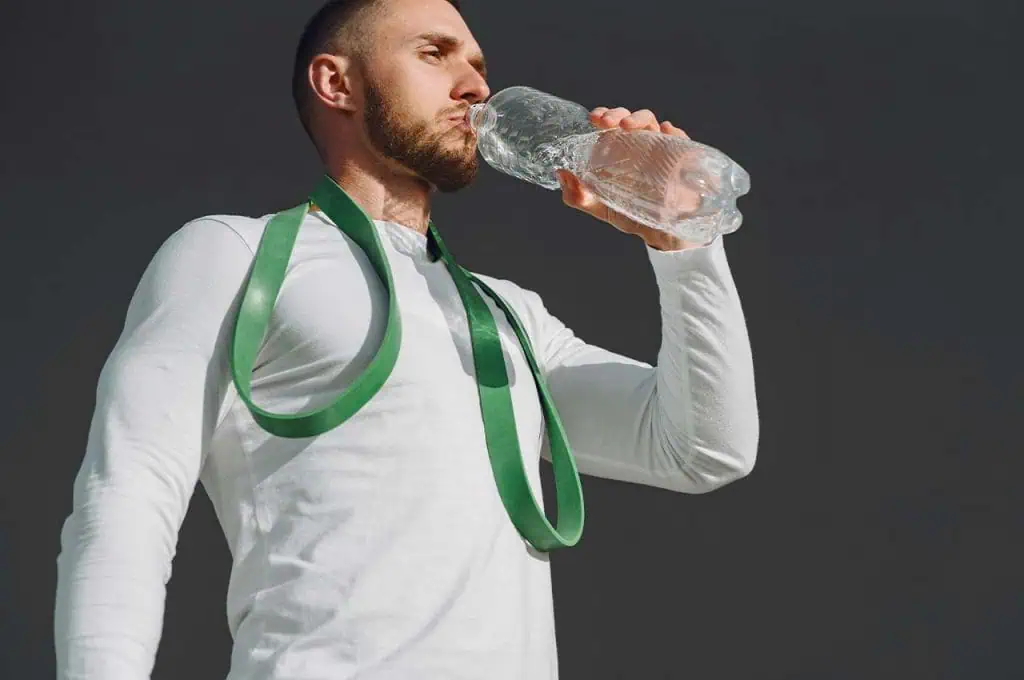
In your 20s, your body is typically highly resilient, maintaining efficient hydration due to robust cellular activity and strong metabolic processes. Focus on establishing healthy hydration habits that can last a lifetime. Aim for a baseline of eight 8-ounce glasses of water daily, adjusting upward if you're especially active. Incorporate hydrating foods such as cucumbers and watermelon to support your intake. Pay attention to signs of dehydration, like headaches or fatigue, as these years often involve busy schedules and unpredictable routines.
Water and Active Lifestyles

For those with active lifestyles, whether through work, sports, or leisure activities, water becomes even more essential. Adequate hydration aids in regulating body temperature and improving physical performance. Before physical exertion, aim to drink 16-20 ounces of water; during exercise, consume about 7-10 ounces every 10-20 minutes. After activity, replenish with an additional 16-24 ounces. Consider beverages that contain electrolytes if you exercise intensely, as they help in recovering lost minerals.
30s: Balancing Family and Fluid Needs

Entering your 30s often brings increased responsibilities, sometimes including family and career pressures, which can distract from personal health needs. It's vital to prioritize hydration by integrating water intake into daily routines. Use reminders to establish consistency, such as drinking a glass of water with each meal and keeping a refillable bottle handy. Incorporating soups and broths can also boost hydration subtly. Be mindful of your fluid intake, especially if caffeine consumption increases during busy periods.
40s: Metabolism Starts to Shift

In your 40s, metabolic changes can alter hydration needs. Your body's efficiency in processing and retaining water may decrease, so an intentional increase in fluid intake is beneficial. Focus on drinking water regularly throughout the day rather than consuming large quantities in one sitting. Consider integrating herbal teas or infusions which can offer hydration alongside subtle flavor. Be wary of the diuretic effects of alcohol and caffeine, balancing these with increased water consumption to maintain proper hydration levels.
Staying Hydrated in Your 50s
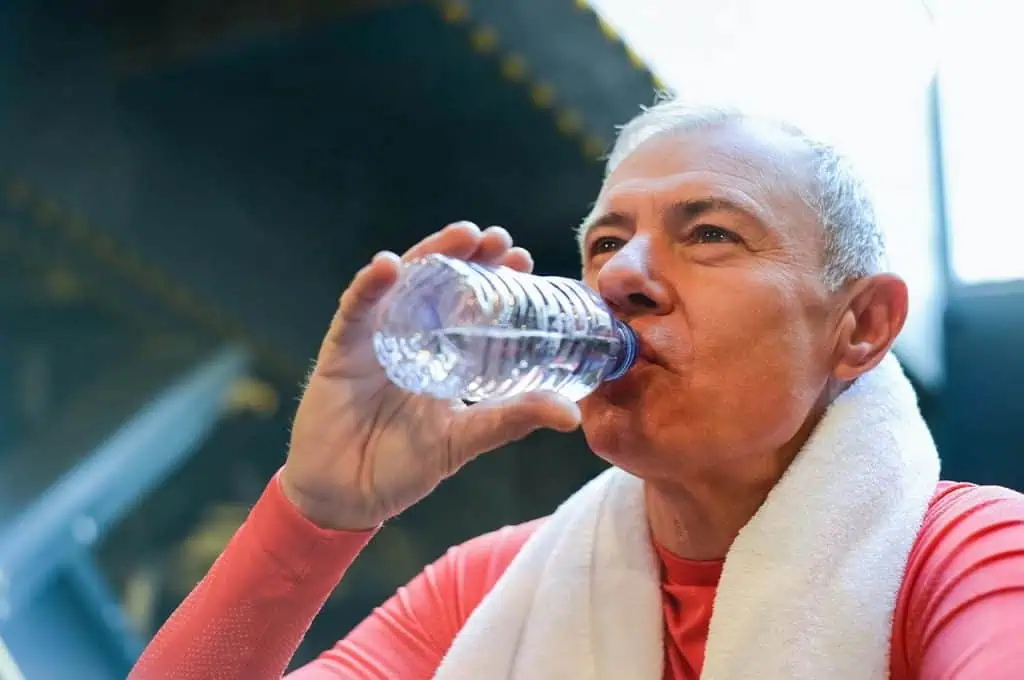
In your 50s, maintaining hydration is crucial yet often overlooked. As metabolism slows, so does the body’s efficiency in distributing water. Aim to drink about 2.7 liters daily for women and 3.7 liters for men, including all beverages consumed. Throughout the day, keep a water bottle accessible and within sight as a gentle reminder to sip frequently. Incorporate herbal teas and infused water to add variety and interest. Remember that caffeine and alcohol can be dehydrating, so balance them with extra water intake.
60s and Up: Why Thirst Isn’t Reliable

As you age into your 60s and beyond, your body’s signals of thirst become less reliable. Instead of waiting to feel thirsty, set regular intervals for hydration, such as drinking a glass of water every two hours. Consider keeping a daily hydration chart to track your intake. Additionally, opting for room temperature water may be more palatable, encouraging consistent consumption. This practice helps maintain cognitive function and supports healthy digestion, essential during these years.
Medications and Water Intake

Many medications common among older adults can affect hydration levels. Diuretics, antihistamines, and certain blood pressure medications can lead to increased water loss. When prescribed a new medication, consult your healthcare provider about its effects on hydration needs. It may be necessary to adjust your water intake accordingly. Consuming sufficient water aids the absorption and effectiveness of medications, while also helping to minimize side effects.
Hydrating Foods That Help

Incorporating hydrating foods into your diet can significantly contribute to your overall water intake. Fruits like watermelon and strawberries, consisting of over 90% water, are excellent choices. Vegetables such as cucumbers, lettuce, and zucchini are refreshing and versatile, easily added to salads or enjoyed as snacks. Soups and broths are also beneficial, delivering both hydration and essential nutrients. Consuming these foods throughout the day complements your fluid intake strategy.
Signs You’re Not Drinking Enough

Recognizing the signs of dehydration is crucial to maintaining health. Look for symptoms such as dry mouth, fatigue, dizziness, or dark urine. Persistent headaches or muscle cramps may also indicate insufficient fluid intake. Pay attention to your skin’s elasticity; if it doesn’t bounce back quickly after being pinched, it could suggest dehydration. Address these warning signs promptly by increasing both water and electrolyte intake to restore balance and well-being.
Tips for Staying Consistently Hydrated
To maintain optimal hydration, it's crucial to integrate water into your routine seamlessly. Begin your day by drinking a full glass of water upon waking, which helps jumpstart your metabolism. Equip yourself with a reusable water bottle, keeping it filled and within reach as a visual cue to sip throughout the day. Incorporate high-water-content foods like cucumbers, melons, and leafy greens into meals. Adjust water intake according to physical activity, heat levels, and individual needs. Pay attention to thirst signals, and aim for consistent, rather than sporadic, consumption to ensure your body's balance is not disrupted.


