
12 Everyday Foods That Might Be Contaminated with Microplastics

Microplastics have infiltrated our food supply, appearing in surprising places. These tiny plastic particles, often less than 5 millimeters in size, can enter our diets through a variety of sources, impacting not just the environment but our health as well. As we become more aware of their presence, it's crucial to examine everyday foods that might be contaminated with microplastics. This guide explores common items in our kitchens that could potentially expose us to these particles, encouraging informed choices and mindfulness in food selection.
The Surprising Story of Himalayan Pink Salt

Himalayan pink salt is prized for its trace minerals and distinctive color, but it may also contain microplastics. These contaminants often find their way into salt through pollution in oceans and the environment. When selecting pink salt, consider trusted brands that their products have been tested for purity. Look for certifications or research that ensure rigorous standards in processing and sourcing. By being selective, you can enjoy its benefits without the unintended addition of microplastics.
Why Your Apples May Have a Hidden Problem
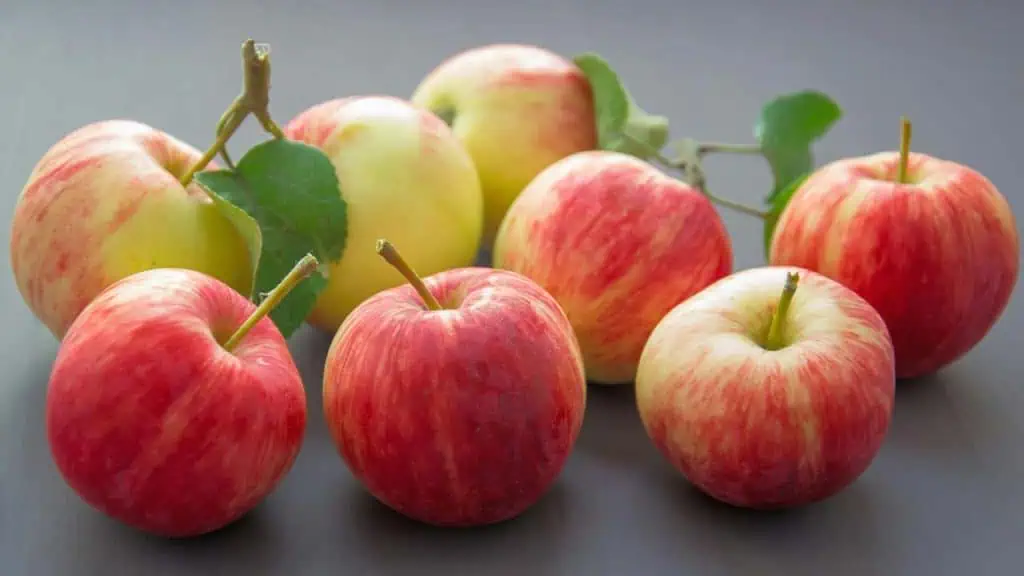
Apples, while wholesome and nutritious, may harbor microplastics from packaging materials or agricultural processes. Cleaning apples thoroughly under running water and using vinegar solutions can help reduce residue. Consider choosing organic apples when possible, as they often involve fewer synthetic materials in their cultivation. Additionally, peeling apples can reduce potential exposure, though it might also remove some nutrients. Striking a balance between washing techniques and product choice can minimize risk.
Nuggets: More Than Meets the Eye

Chicken nuggets and similar processed foods often involve packaging that can introduce microplastics. The plastic coatings or containers sometimes shed particles that mix with the food. Cooking at home with fresh ingredients is a simple way to control what goes into your meals. If purchasing pre-made nuggets, select those with minimal packaging or opt for brands that report eco-friendly practices. This shift not only enhances flavor but also limits exposure to contamination.
How Tea Bags Can Contribute to Microplastics

Tea bags, particularly those made from plastic or plastic-coated materials, can release microplastics into your brew. Opting for loose-leaf tea and using stainless steel infusers or biodegradable bags can significantly reduce this risk. If you prefer convenience, look for brands clearly labeling their products as plastic-free. This small switch not only protects your favorite beverage's integrity but also supports sustainable practices, enhancing both your well-being and the planet's health.
Rice: A Staple with a Plastic Twist
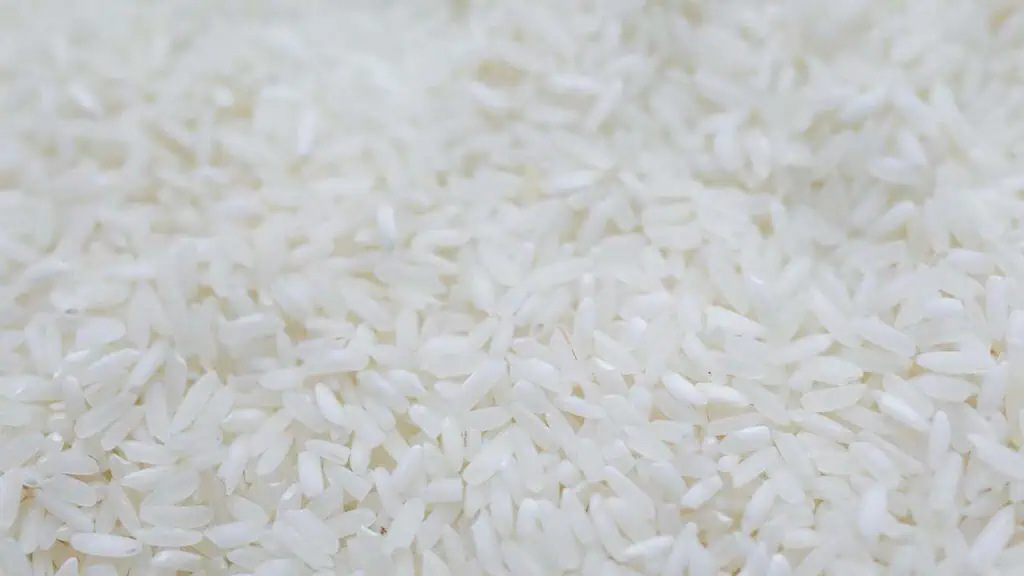
Rice, a fundamental food for millions, can be contaminated with microplastics through water and environmental exposure. Microplastics may adhere to the rice during growth or processing. To mitigate potential contamination, rinse rice thoroughly before cooking, removing surface impurities. Consider sourcing rice from regions with lower pollution levels. Cooking rice in ample water, which is later drained, can help reduce contaminants. Paying attention to its source and washing methods can significantly improve safety.
The Truth About Breaded Shrimp

Breaded shrimp, a popular indulgence, can be susceptible to microplastics due to their aquatic environment. Shrimp often ingest microplastics present in ocean waters, which persist even after preparation. Choose sustainably farmed or wild-caught shrimp from lower-contamination areas to minimize risk. Cleaning shrimp thoroughly before breading, and choosing homemade breadcrumbs can improve overall quality. These steps allow you to enjoy them while managing potential microplastic intake effectively.
Seafood: At the Heart of Microplastic Concerns

Seafood is particularly vulnerable to microplastic contamination, stemming from polluted marine environments. Fish and shellfish inadvertently consume microplastics, which can remain in their tissues. To reduce risks, opt for seafood from regions with stringent environmental controls and consider smaller species, as they tend to accumulate fewer microplastics. Properly cleaning and filleting seafood can also help. Being mindful of the sourcing and preparation of seafood can greatly enhance its safety and quality.
Unexpected Contaminants in Carrots

Carrots, often considered a clean and healthy choice, can be contaminated with microplastics due to agricultural practices. Particles may settle into soils from which carrots are grown. To address this, wash carrots thoroughly under running water and peel them where appropriate, removing the outer layer where residues may cling. Sourcing organic carrots or those from areas with minimal environmental pollution can further reduce exposure. Such measures ensure a safer, fresher experience with this versatile root vegetable.
Bottled Water Isn't Just H2O

Bottled water, perceived as a pure and convenient option, can contain microplastics from packaging and bottling processes. Studies have found small plastic particles in many brands. To reduce exposure, consider using glass or stainless steel bottles and filtering tap water at home. If bottled water is unavoidable, seek brands that prioritize advanced filtration methods and sustainable packaging. These practices contribute to a healthier hydration choice, reducing reliance on plastic sources.
Processed Dairy's Microplastic Dilemma

Processed dairy products, such as cheese and yogurt, can sometimes harbor microplastics due to packaging and processing methods. These plastics can migrate from plastic containers or wraps into the food itself. Opting for products in glass or cardboard packaging can minimize exposure. When choosing dairy, look for items with minimal packaging or those labeled as tested for contaminants. Additionally, supporting local dairy producers who use traditional methods may reduce microplastic risks in your diet.
Sugar: Sweet but Not So Innocent
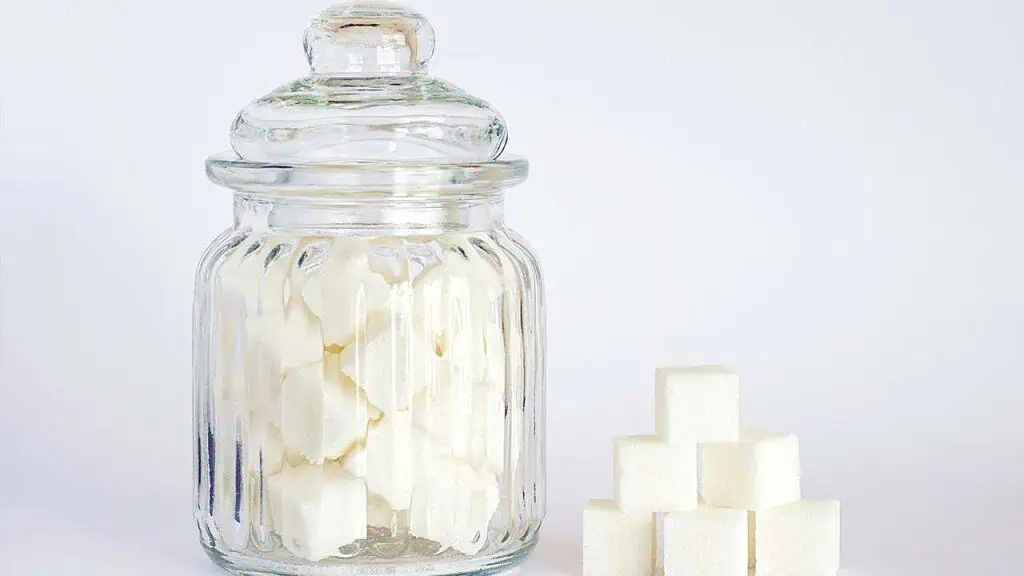
Sugar, particularly when refined, isn't just about calories and carbohydrates; microplastics often find their way into sugar during the refining process. This is particularly true for sugars processed in facilities that use plastic equipment or packaging. To reduce contamination risks, consider using unrefined or organic sugar, which often undergoes less intensive processing. When feasible, select sugar that is packaged in paper or glass containers instead of plastic to minimize the likelihood of microplastic presence.
What's Lurking in Your Beer?

Beer, a staple in many cultures, can contain microplastics introduced through water supplies or processing equipment. The brewing process, which involves large volumes of water, can be a conduit for plastic particles. Opting for craft brews from breweries that filter their water or use sustainable practices can mitigate exposure. Look for breweries that emphasize clean, eco-friendly brewing processes. Choosing beers packaged in glass bottles over cans also decreases the chance of encountering microplastics.


