
12 Trendy “Health” Foods That Aren’t as Good as They Seem

In recent years, an increasing emphasis on health and wellness has transformed many foods into seemingly healthy trends. However, it's essential to look beyond labels and marketing. Often, these trendy “health” foods carry hidden ingredients and attributes that may not align with your dietary goals. Being informed means understanding both the appealing promises and the reality behind these choices. Let's dissect some popular items that might not be as beneficial as they appear.
Flavored Yogurt: Hidden Sugars

Flavored yogurts often lure with promises of probiotics and creamy textures but frequently contain high levels of added sugars. When choosing a yogurt, it’s crucial to scan the nutrition label for sugar content, which can rival that of a dessert. Opt instead for plain yogurt and sweeten it naturally with fresh fruit or a drizzle of honey. This approach minimizes sugar intake while delivering the beneficial probiotics and calcium without unnecessary additives.
Veggie Chips: Crunchy Deception

Veggie chips may seem like a virtuous snack, but many varieties are not much healthier than standard potato chips. They are often deep-fried, laden with oils, and enhanced with salt to preserve flavor. Even when labeled as containing real vegetable ingredients, it’s typically a minor component. For a genuinely nutritious crunch, consider roasting your own slices of vegetables like kale or sweet potatoes with just a hint of olive oil and seasoning.
Granola: The Sugar Bomb

Often marketed as a wholesome snack or breakfast option, granola can be surprisingly high in sugars and unhealthy fats. While oats and nuts in granola can offer beneficial fibers and nutrients, the added sweeteners and oils may negate these benefits. When preparing or purchasing granola, focus on low-sugar recipes emphasizing whole ingredients. Consider making your own batch with rolled oats, nuts, seeds, and a touch of maple syrup for a controlled sweetness.
Packaged Coconut Water: Is It Really Hydrating?
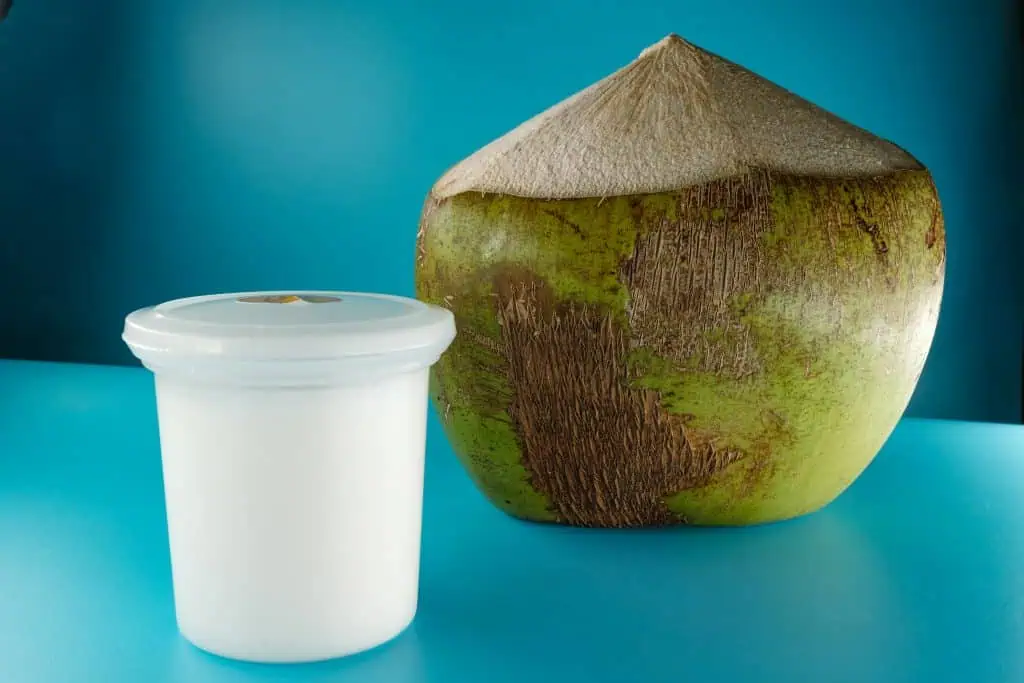
Packaged Coconut water is often praised for its hydrating properties and natural electrolytes. However, it's not always the best option for everyone, particularly due to its sugar content. While it offers potassium, which is valuable for hydration, the caloric and sugar content can be comparable to sugary drinks. For intense workouts, it may offer benefits, but for average daily hydration, plain water is often equally effective without added sugars.
Protein Bars: Candy in Disguise?

Protein bars often masquerade as a health food, yet many contain sugar and additives similar to candy bars. Look for bars with simple ingredients like nuts and seeds, and minimal sugars. Pay attention to the protein source; whey or plant-based proteins are preferable. Check the fiber content, as a lack of fiber can lead to spikes in blood sugar. Opt for homemade versions with oatmeal and natural sweeteners, ensuring a wholesome balance of nutrients without unwanted additives.
Gluten-Free Snacks: Not Always Healthier

While gluten-free snacks can be beneficial for those with gluten sensitivity, they often contain processed ingredients and higher sugar levels to compensate for texture and taste lost without gluten. Compare labels to similar products; added sugars and lower fiber can diminish nutritional value. Choose snacks made with whole grains like quinoa or brown rice, providing a more wholesome profile. Homemade options, using raw ingredients, can ensure a healthier snack that's both tasty and gluten-free.
Acai Bowls: Calorie Overload
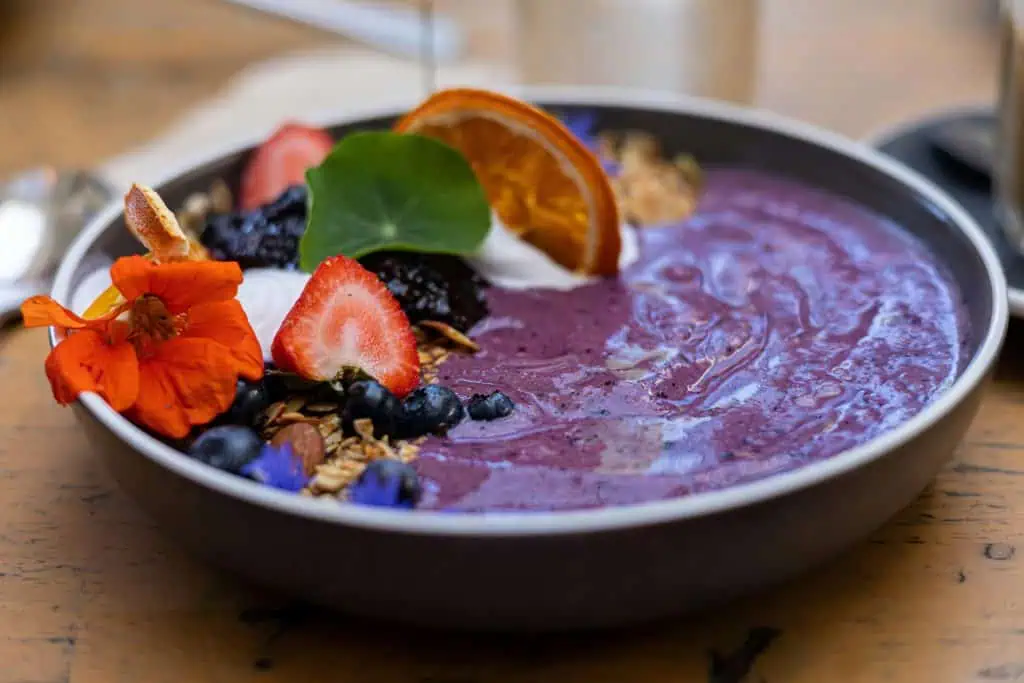
Acai bowls are praised for their antioxidant-rich acai berries, but often they're laden with sugary granola, honey, and large portions. Pay attention to portion sizes and toppings. Focus on nutrient-rich options like nuts and seeds for added protein, with a modest drizzle of honey if needed. Puree your acai with unsweetened almond milk to control sweetness. By managing portions and ingredients, you ensure this treat remains a nutrient-rich snack rather than a sugar-laden meal.
Rice Cakes: Low Calorie, Low Nutrition

Rice cakes are popular for their low-calorie appeal, yet they offer little in terms of nutrition. Often made from puffed white rice, they can lead to spikes in blood sugar. Consider alternatives like whole grain or brown rice options, which deliver more fiber and nutrients. Pair with protein-rich spreads, such as almond butter or hummus, to enhance satiety and nutritional value. Homemade versions using whole ingredients provide more control over both flavor and health benefits.
Fruit Juices: Not So Innocent
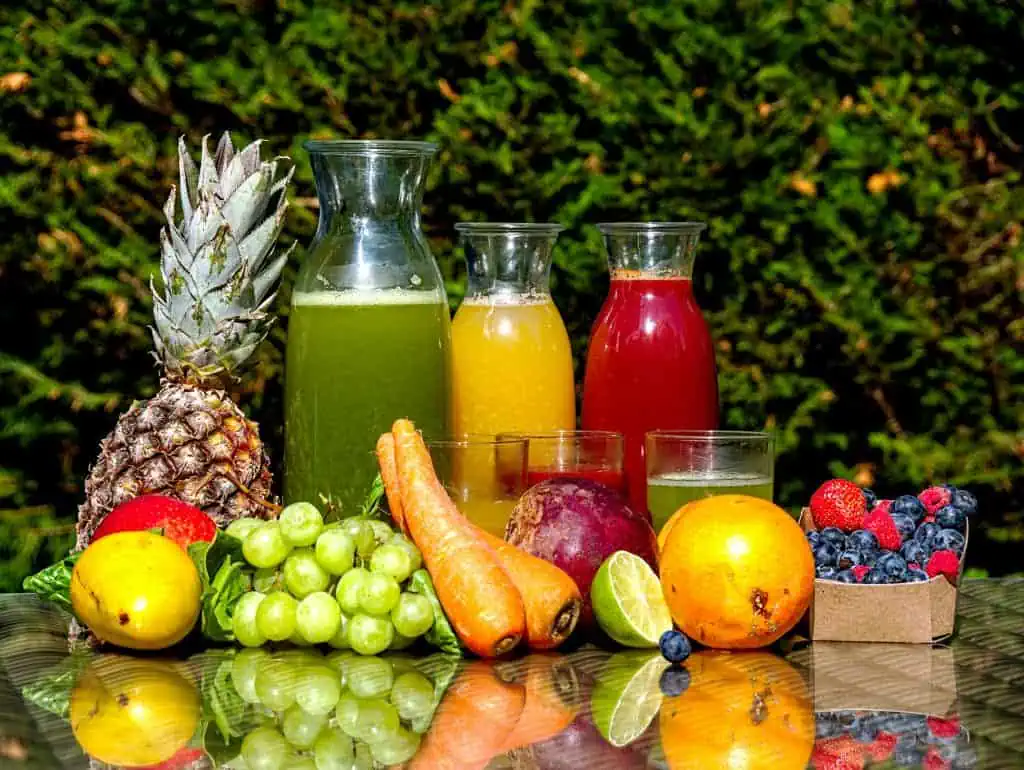
While fruit juices can seem healthy, many are stripped of fiber and loaded with sugars, leading to quick glucose spikes. Opt for freshly squeezed juices where possible, and retain pulp to increase fiber content. Combine with vegetables like spinach or kale to enhance nutrient density. When purchasing, choose those labeled 100% juice without added sugars. Ultimately, moderation is crucial; even healthy juices can become calorie-heavy if consumed in excess.
Smoothies: Sugar Overload Warning
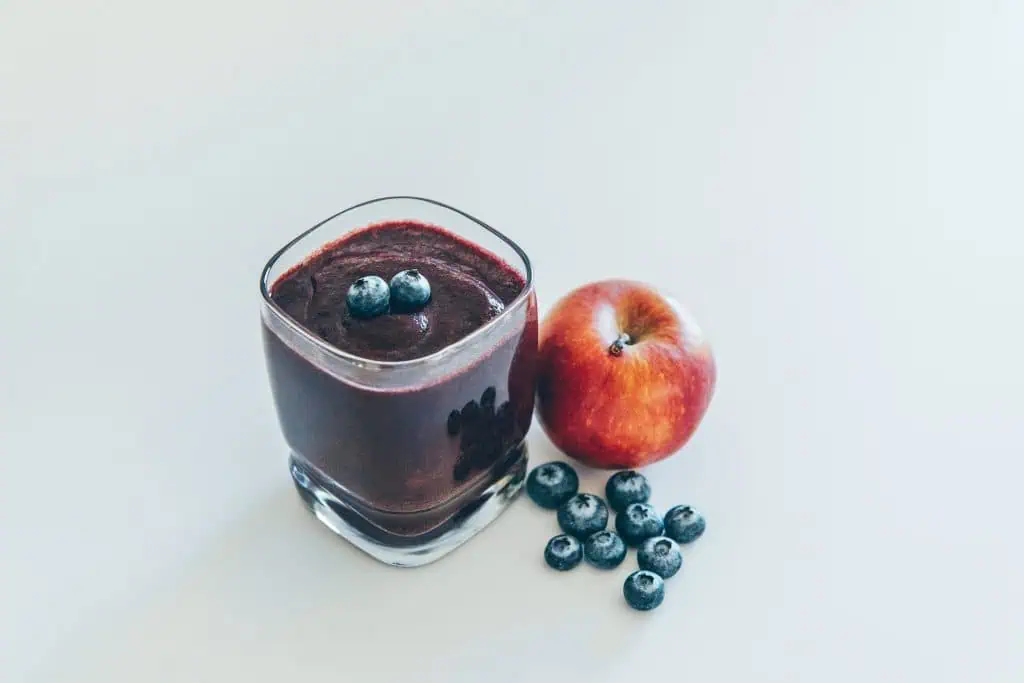
Smoothies, often perceived as a healthy choice, can be deceptive in sugar content. While fruits are nutrient-rich, blending them increases sugar concentration, sometimes matching sugary sodas. To make a balanced smoothie, focus on low-sugar fruits like berries, and incorporate leafy greens for fiber without sweetness. Add a protein boost with unsweetened yogurt or a spoonful of nut butter to stabilize blood sugar levels. Always watch for added sugars in flavored yogurts or juices, and strive for a balance of macronutrients over sheer sweetness.
Plant-Based Meats: What’s Inside Matters

Plant-based meats provide a vegetarian alternative, but inspecting ingredient lists is crucial. Many contain high sodium levels, artificial flavors, and processed oils. Choose products with recognizable ingredients like pea protein or beans, which offer fiber and essential amino acids. Avoid versions laden with fillers and stabilize texture for purity. Cook them using health-conscious methods like grilling or baking to retain nutrients and ensure a savory, satisfying meal without compromising health goals.
Low-Fat Products: The Fat Myth

Low-fat products often substitute fat with additives and sugars, undercutting health benefits. Fat contributes to satiety and healthful absorption of fat-soluble vitamins. Instead of low-fat options, choose whole foods with natural fats like avocados or nuts. They provide valuable nutrients and keep unhealthy cravings at bay. When choosing dairy, consider full-fat versions in moderation, which are less processed and maintain nutrient density, enhancing overall dietary quality.


