
12 Easy Herbs to Grow in Wine Glasses or Mason Jars

Growing herbs indoors can transform your kitchen into a vibrant garden, adding freshness and flavor to your culinary creations. Utilizing wine glasses or mason jars is not only space-efficient but also aesthetically pleasing. These vessels provide just enough room for the roots while allowing adequate light exposure, crucial for healthy growth. Choose a sunny windowsill and ensure proper drainage by adding small stones or pebbles at the bottom. Regularly monitor moisture levels, as herbs require consistent but moderate watering to thrive indoors.
Mint: Refreshing and Resilient
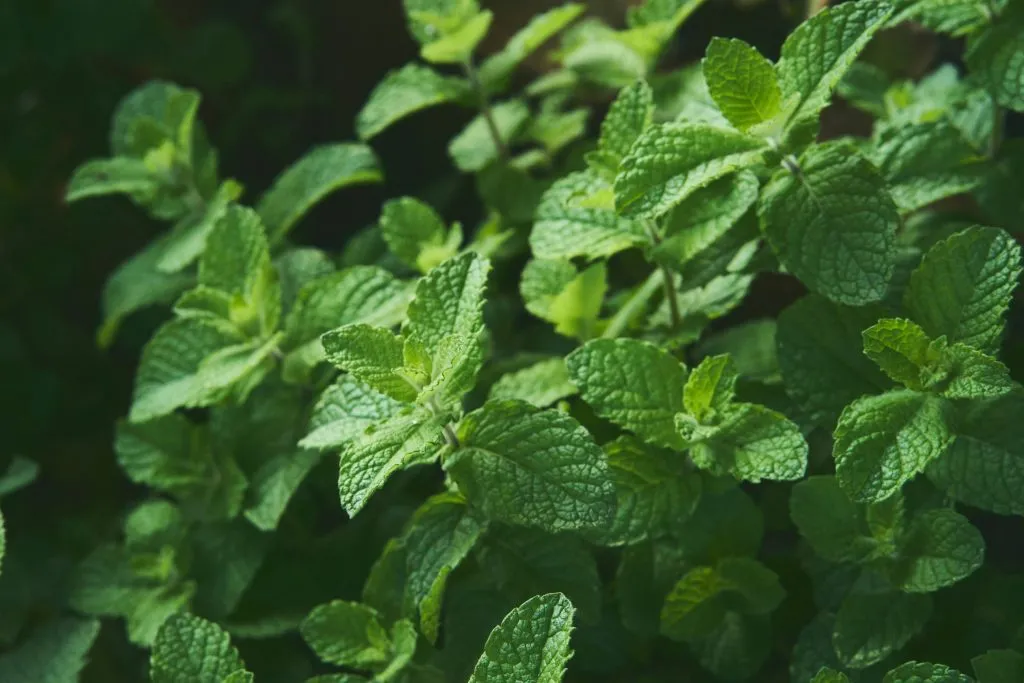
Mint's invigorating aroma and versatility make it essential in both savory and sweet dishes. To grow mint indoors, select a wide-mouthed vessel like a mason jar for optimal growth. Fill the container with a light potting mix and plant mint cuttings or seeds, pressing gently into the soil. Position in indirect sunlight and water consistently to keep the soil moist but not soggy. Mint’s resilience makes it forgiving for beginners, but trim regularly to prevent legginess and ensure a bushy, robust plant.
Cilantro: A Zesty Essential
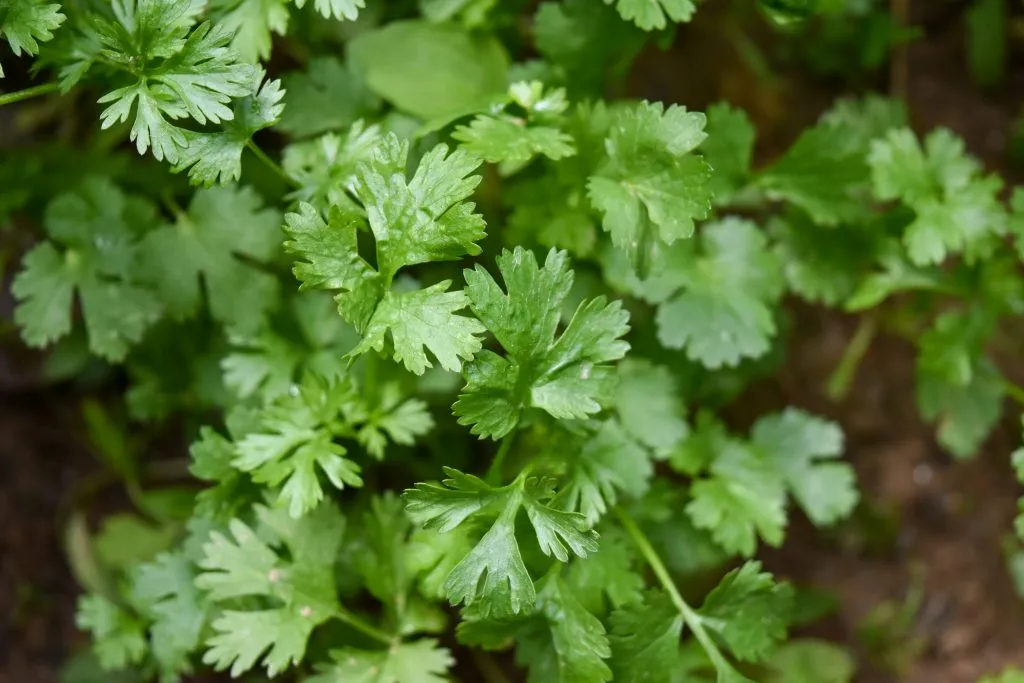
Cilantro brings a zesty note to a range of dishes, from vibrant salsas to fragrant curries. To cultivate cilantro indoors, sow seeds in a wine glass filled with well-draining soil. Place in an area receiving bright, indirect sunlight. Keep the soil evenly moist, avoiding waterlogged conditions. Cilantro prefers cooler temperatures, so maintain a balanced indoor environment. Harvest the leaves regularly to encourage new growth. Clip close to the stem to delay bolting, ensuring a constant supply of fresh, flavorful cilantro.
Basil: Sweet Aroma, Simple Care

Basil’s sweet aroma enhances everything from pasta to salads. Grow basil indoors by sowing seeds in a sunny spot with fertile, moisture-retentive soil in a mason jar. Basil thrives in warmth and direct sunlight, ideally 6-8 hours daily. Water the soil lightly but regularly, keeping it consistently damp without oversaturating. Prune by pinching off the top leaves to promote bushier growth and prevent flowering, which can make the leaves taste bitter. Harvest often to enjoy the freshest flavor throughout the growing season.
Rosemary: Fragrant and Hardy

Rosemary's robust fragrance and flavor make it a staple for roasts and stews. To grow rosemary inside, use a small pot with excellent drainage, as rosemary prefers dry conditions. A mason jar with added stones at the bottom is ideal. Place in bright sunlight for at least 6-8 hours daily. Allow the soil to dry completely between waterings to mimic its natural, arid habitat. Prune top sections regularly to encourage new growth and maintain a compact shape, ensuring a continuous supply of this aromatic herb.
Parsley: Vibrant and Versatile
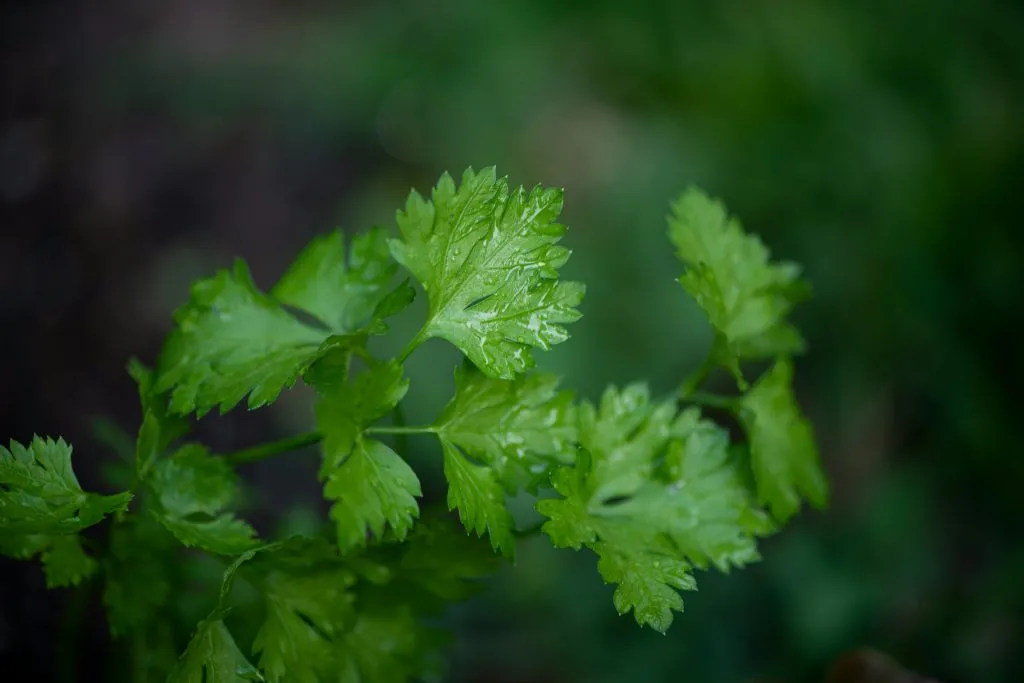
Parsley is an essential herb in any kitchen, offering a bright, grassy flavor that complements a wide range of dishes. When growing parsley in wine glasses or mason jars, ensure they have proper drainage by adding pebbles at the bottom. Keep the soil consistently moist, but avoid waterlogging. Harvest frequently to encourage new growth, snipping stems close to the base. Its high vitamin content enhances everything from salads to soups. Use freshly chopped parsley as a finishing touch to brighten flavors and add a pop of color.
Oregano: A Mediterranean Must-Have

Oregano offers a robust aroma and flavor critical to Mediterranean cuisine. Growing oregano in mason jars provides fresh leaves year-round. Choose a well-draining soil mix and place the jars in a sunny spot for six to eight hours of light. Avoid overwatering by allowing the soil surface to dry between waterings. Frequent harvesting helps maintain bushy growth; trim just above a leaf node. Use oregano fresh or dried to elevate marinades, dressings, and tomato-based dishes with its pungent, slightly peppery taste.
Thyme: Tiny Leaves, Big Flavor

Thyme's small leaves pack a powerful flavor punch that enhances roasts, soups, and stews. Plant thyme in a bright, sunny area with sandy, well-drained soil in your glass containers. Water sparingly, allowing the soil to dry out between watering to mimic its native Mediterranean environment. Regular pruning keeps the plant healthy and encourages more vigorous foliage. Infuse oils, vinegars, or add directly to dishes for an earthy, subtle aroma that can transform ordinary recipes into culinary delights.
Dill: The Delicate Herb

Dill's feathery leaves provide a fresh, slightly sweet flavor to a variety of dishes. Choose deep containers for growing dill to accommodate its root system. Ensure consistent sunlight and moisture to support its growth. Harvest frequently by snipping outer sprigs first, promoting further yield. Dill pairs excellently with fish, potatoes, and creamy sauces, enhancing them with its light, tangy notes. Use freshly chopped dill as a garnish for its aromatic qualities or infuse in pickling projects for a flavorful twist.
Sage: Earthy and Elegant

Sage brings a savory, earthy note that's indispensable in holiday cooking and classic stuffings. Opt for a well-draining potting mix and a sunny windowsill to allow this resilient herb to thrive. Water conservatively, as sage prefers drier conditions. Regular pruning not only shapes the plant but intensifies its aromatic oils. Fresh or dried, sage leaves can be used in compound butters, roasted meats, or vegetable dishes, offering a warm, peppery nuance that complements hearty flavors exceptionally well.
German Chamomile: Calming Blooms
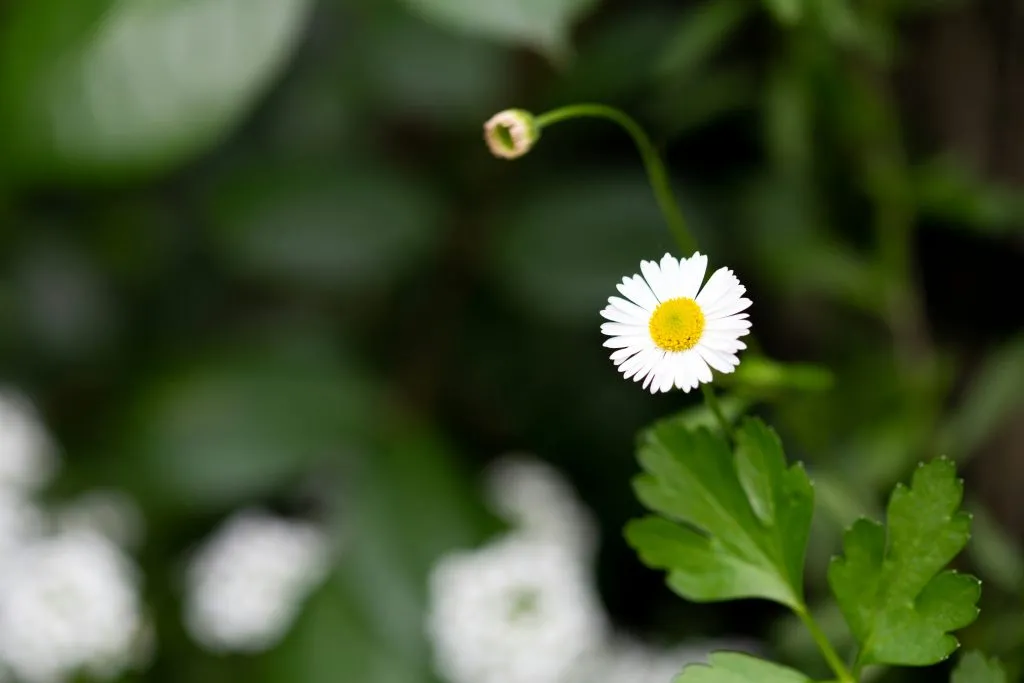
German chamomile is a charming addition to your indoor garden, offering delicate blooms with a soothing scent. This herb thrives well in containers like wine glasses or mason jars with good drainage. Plant the seeds a quarter-inch deep in rich potting soil, maintaining a slightly moist environment to ensure successful germination. Once established, chamomile requires minimal watering—just enough to keep the soil moist but not waterlogged. Regularly snipping the flowers encourages growth and ensures a steady supply for calming teas or as a subtle infusion in desserts.
Lemon Balm: Citrus Scented Delight
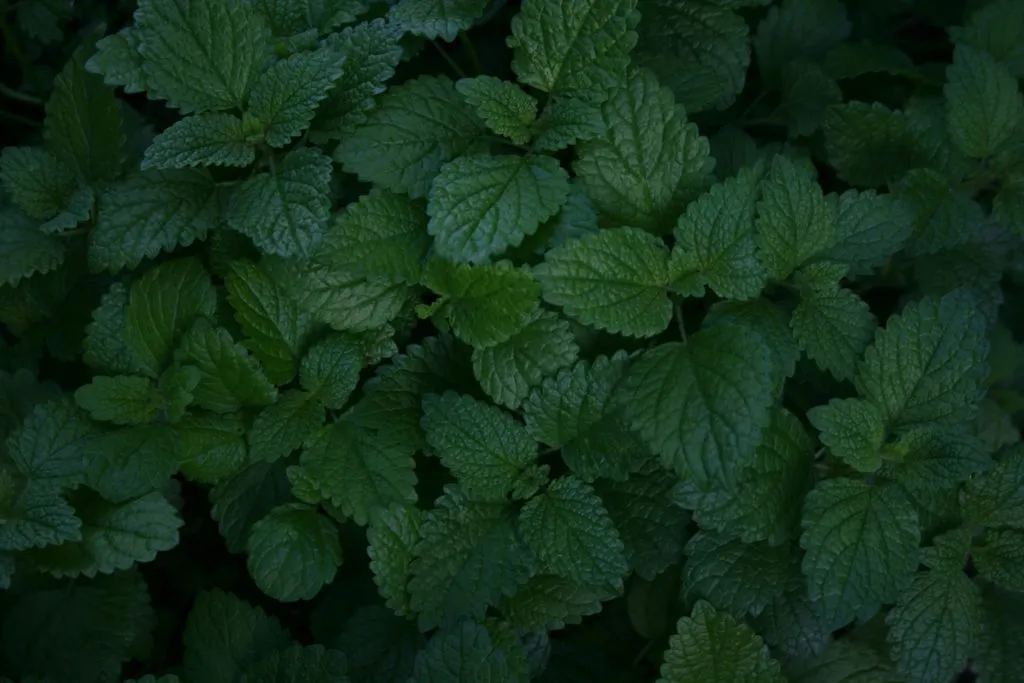
Lemon balm's vibrant aroma is a refreshing addition to any kitchen herb collection. This citrus-scented plant is well-suited for growth in confined spaces like mason jars, where it appreciates bright, indirect sunlight. Use well-draining potting soil, and water when the top inch feels dry to the touch. Prune regularly to promote bushy growth and prevent flowering, which can reduce the aromatic leaves' quality. These fragrant leaves elevate herbal teas, add zest to salads, or enhance baked goods with a subtle lemony undertone.
Chives: A Spicy Garnish

Chives are an easy-to-grow herb with slender, hollow leaves and a mild onion flavor, perfect for garnishes. These hardy herbs thrive in sunny spots and fit comfortably in a mason jar or wine glass with a drainage layer of small pebbles. Plant chive seeds just beneath the soil surface and keep consistently moist until germination, then water less frequently. Regular trimming not only encourages continuous growth but also boosts flavor intensity. Use fresh chives to garnish soups, salads, and baked potatoes, adding a splash of color and a peppery kick.


