
16 Fried Egg Mistakes Almost Everyone Makes

Mastering the art of frying an egg requires attention to detail. Many common errors can hinder achieving that perfectly cooked yolk and crisp white. Understanding these pitfalls ensures a flawless outcome, turning a simple fried egg into a culinary pleasure. Small adjustments in technique and attention to essential details elevate the humble egg to its rightful place as a breakfast or brunch star.
Skipping the Right Pan Choice

Choosing the right pan is vital for frying eggs. A non-stick or well-seasoned cast iron skillet ensures easy release, preventing the egg from sticking and tearing. A pan that evenly distributes heat is key to cooking the egg whites thoroughly while keeping the yolk soft. Using a pan that fits your stovetop burner also ensures even cooking. Investing in quality cookware might seem excessive for a basic ingredient, but the results speak for themselves.
Ignoring Oil Temperature

Monitoring oil temperature can make or break your fried egg. Too cold, and the egg absorbs the fat, becoming greasy. Too hot, and the egg cooks unevenly, with crispy edges but raw whites. Ideally, medium heat helps achieve a tender yet fully set egg white. Test the oil by dropping a small piece of egg white first—it should sizzle gently. This technique ensures the right level of heat and prevents common pitfalls like over-browning.
Cracking Eggs Directly into Pan
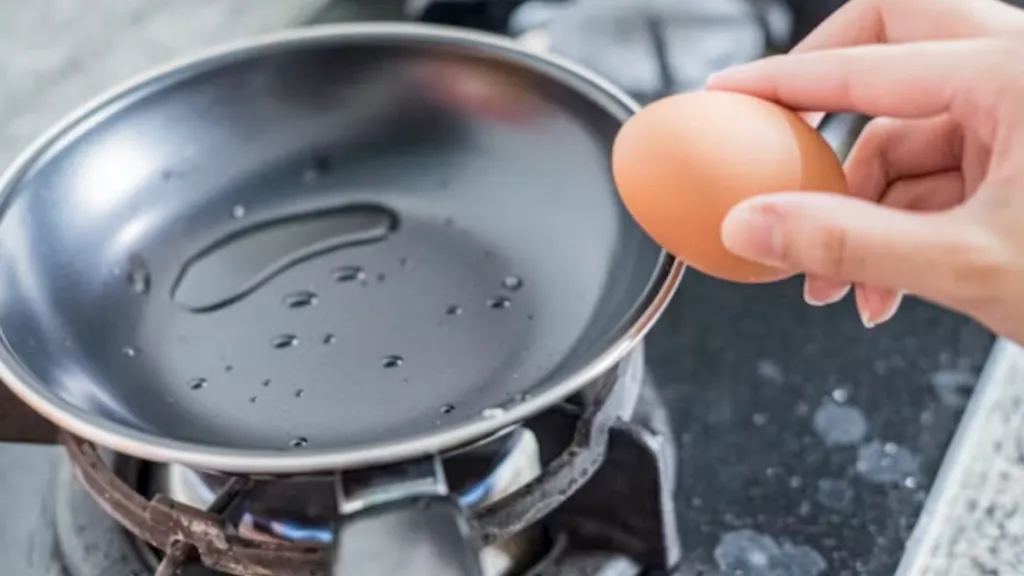
Cracking eggs directly into the pan increases the risk of shell fragments and uneven cooking. Instead, crack eggs into a small bowl, checking for shell pieces and ensuring the yolk remains intact. This step allows for more control when transferring to the pan and minimizes yolk breakage. It also facilitates seasoning the eggs beforehand, ensuring flavors are well distributed. This simple measure adds precision and elevates the final dish.
Skipping the Preheat Phase
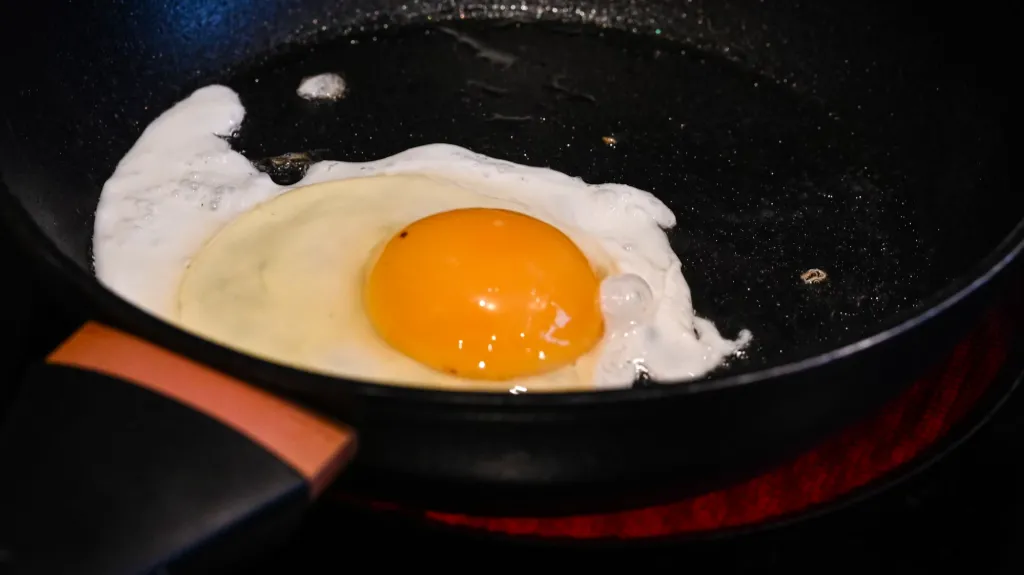
Skipping the preheat phase is a common mistake that affects the egg's texture. A cold pan causes slow cooking, resulting in rubbery whites. Properly preheating the pan ensures the egg whites cook swiftly and evenly, achieving a delicate, crispy edge while maintaining a tender yolk. Be patient; allow the pan to come up to temperature with the chosen fat before adding the egg. This method significantly improves consistency and overall flavor.
Using Low-Quality Eggs
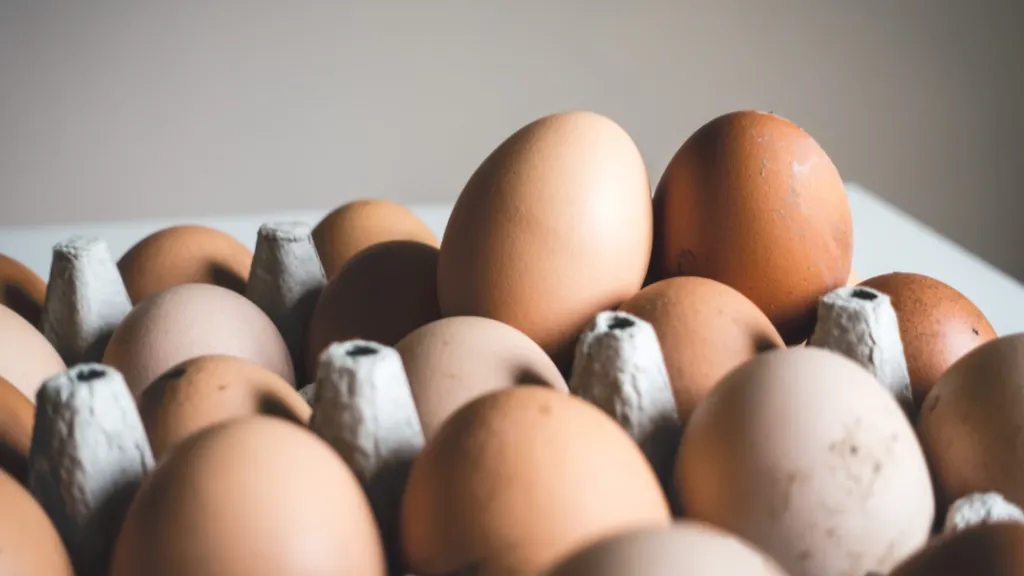
Selecting high-quality eggs enhances the outcome of a fried egg. Seek out fresh, organic, or free-range eggs for their richer yolks and firmer whites. Inspect the eggs for cleanliness and storage temperature, as freshness is key—fresher eggs hold their structure better and taste superior. Avoid eggs with a cloudy or sulfuric odor, which indicates age. Prioritize eggs from local sources to minimize storage time and enhance the flavor profile of your dish.
Overcrowding the Pan

Allow each egg ample space to cook by avoiding overcrowding. A cramped pan prevents even cooking, causing whites to remain undercooked while the yolks finish. Use a non-stick or well-seasoned pan and consider cooking one or two eggs at a time, especially if you're new to the technique. This practice ensures consistent results and allows you to master the nuances of cooking one egg perfectly before scaling up.
Using Too Much Oil or Butter

Too much fat can overwhelm the flavors and lead to greasy eggs. Opt for a thin coating of oil or a small pat of butter, letting the pan heat evenly before adding eggs. Use oil with a high smoke point, such as canola or grapeseed, for a cleaner taste. If butter is preferred, consider clarifying it first to prevent burning. Aim for a balance that allows eggs to cook gently without swimming in excess fat.
Not Seasoning Properly

Seasoning is crucial for elevating the natural flavors of a fried egg. Salt should be added just as the eggs hit the pan, allowing it to dissolve and infuse. For additional depth, include a sprinkle of freshly cracked black pepper or a pinch of finishing salt like Maldon once cooking is complete. Experiment with herbs or spices for a personal touch. Use moderation to ensure the egg's flavor remains at the forefront.
Cooking at High Heat
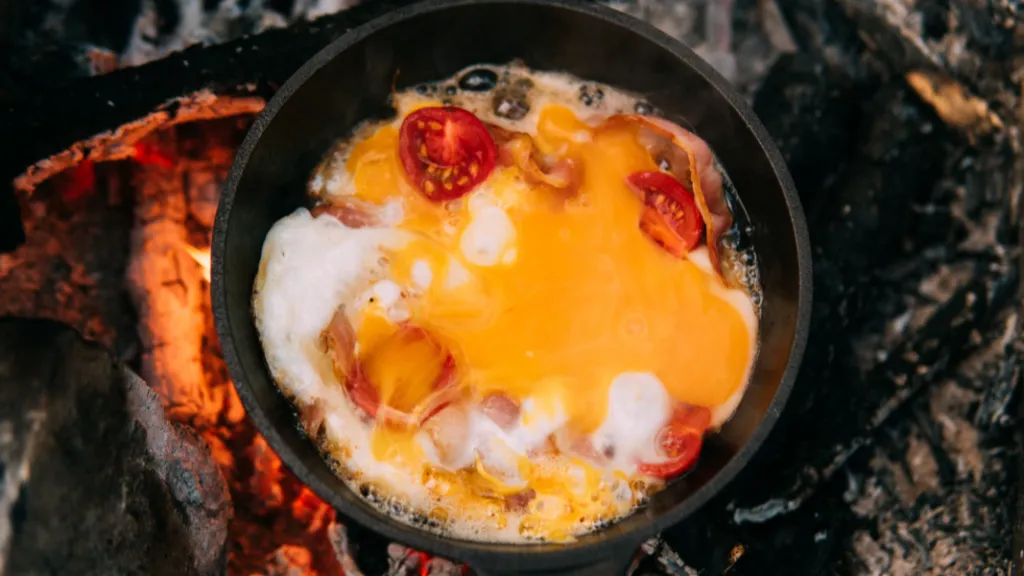
High heat can lead to burnt edges and unevenly cooked eggs. Moderate, even heat facilitates a gently cooked, creamy yolk and tender whites without scorch marks. Preheat the pan on medium, reducing slightly once oil shimmers or butter foams. Maintain this steady heat throughout the cooking process, adjusting slightly as needed. This approach results in a consistently satisfying texture and appearance.
Forgetting to Cover the Pan
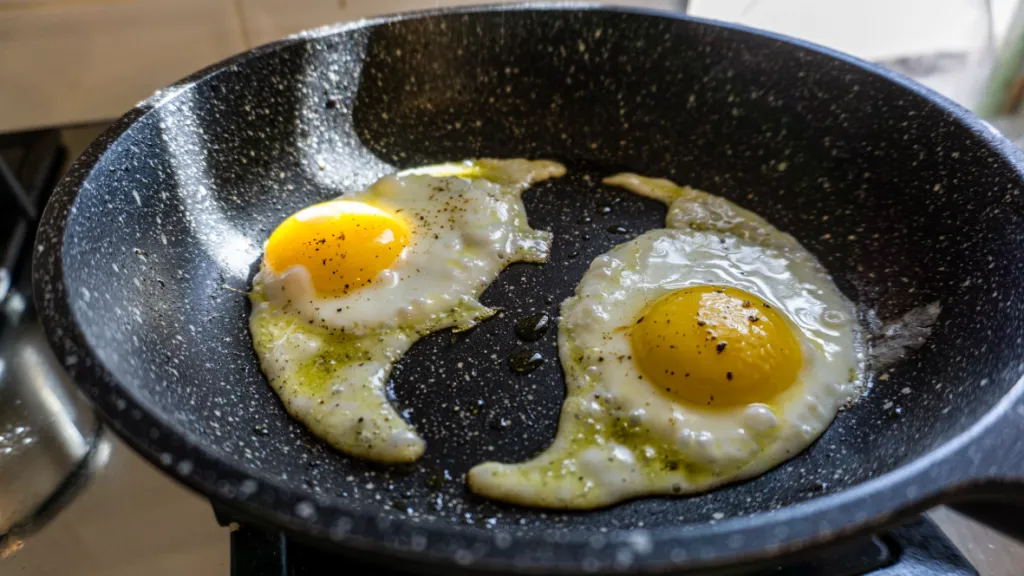
Cooking fried eggs without a lid can result in uneven cooking. By covering the pan, you trap steam and gently cook the whites, ensuring set albumen while maintaining a glossy yolk. With this technique, the egg whites firm up without becoming rubbery, and the yolks warm through without forming a skin. Invest in a glass lid if you enjoy monitoring the process, and keep the heat at medium to prevent overcooking.
Overcooking the Yolks
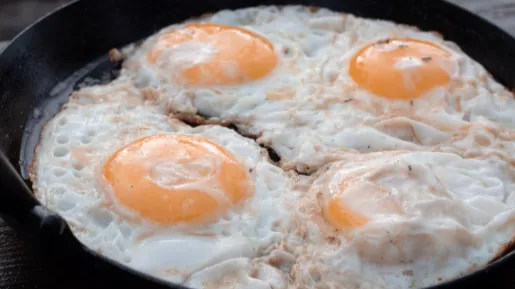
Achieving the perfect, runny yolk requires careful attention to timing. Keep your heat medium-low to ensure gradual cooking. Once the whites are nearly set, turn off the heat and let residual warmth finish the yolk to perfection. Cooking too long hardens the yolk, stripping it of its rich, savory texture. Use the touch test; the yolk should feel tender yet slightly resistant under a gentle tap.
Leaving Shells in the Pan
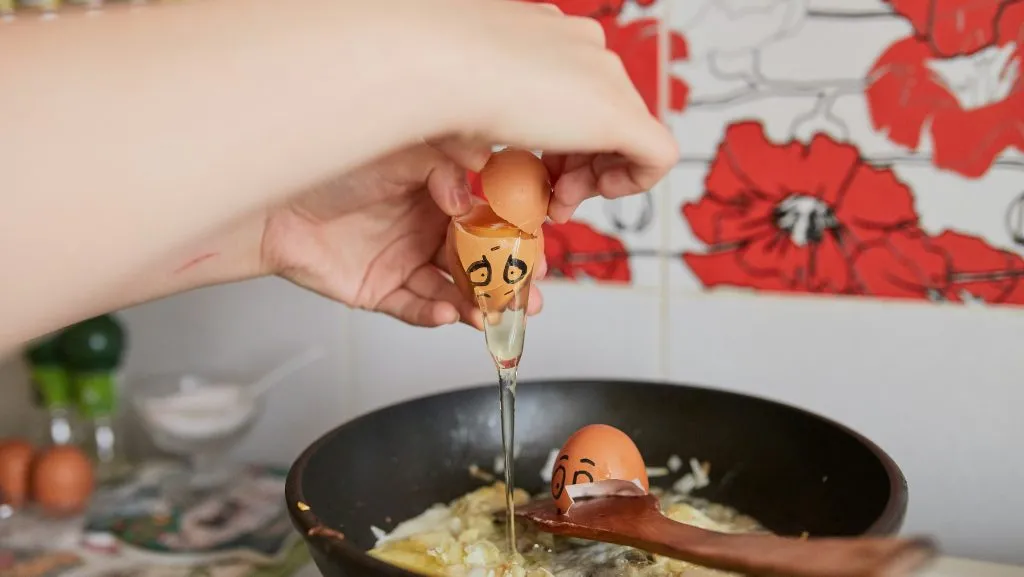
Avoid the annoyance of shell fragments in your fried eggs by cracking them on a flat surface. This tip reduces splintering as you open the egg. If a piece escapes, use a larger shell half to scoop it out cleanly—shell shards are more attracted to their own kind than to fingers or utensils. Practice this simple method for a flawless surface to your breakfast creation.
Not Using Fresh Eggs

Fresh eggs are crucial for perfect fried eggs. They have firmer whites and yolks, which hold their shape beautifully in the pan. Test for freshness by placing an egg in water; it should sink and lay flat. If it floats, quality has declined. Fresher eggs not only present well but deliver superior taste and texture. For consistent results, date your egg cartons for easy rotation.
Ignoring Egg Size Differences
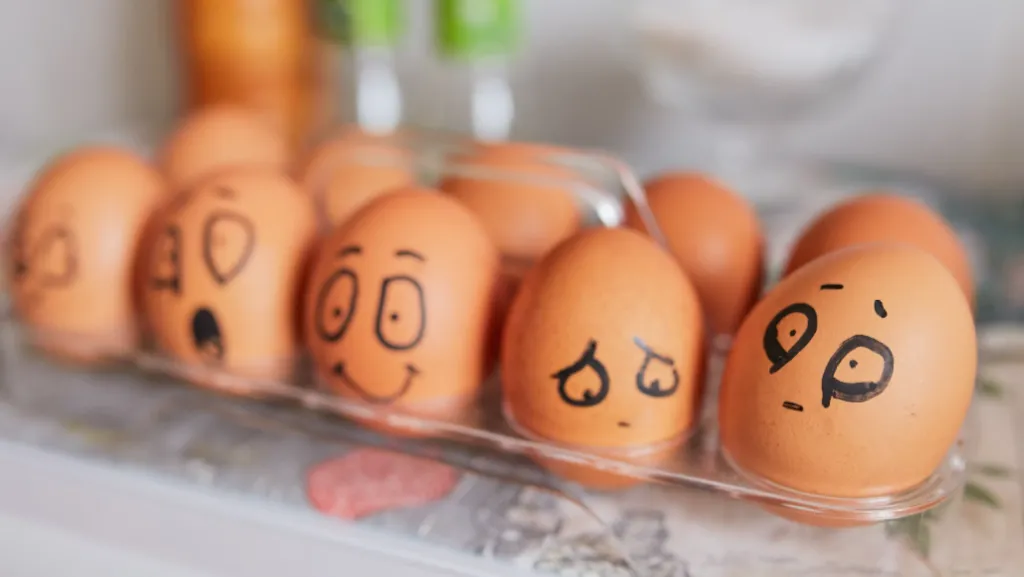
Egg size impacts cooking time and yolk-to-white ratio. Larger eggs take longer to set entirely, so adjust your timing accordingly. Consider using consistent sizes for even cooking when preparing eggs simultaneously. When varying sizes occur, smaller eggs can finish quicker, risking over-solidifying yolks if patience isn't observed. Opt for a uniform size for balanced portions and cooking predictability.
Rushing the Cooking Process
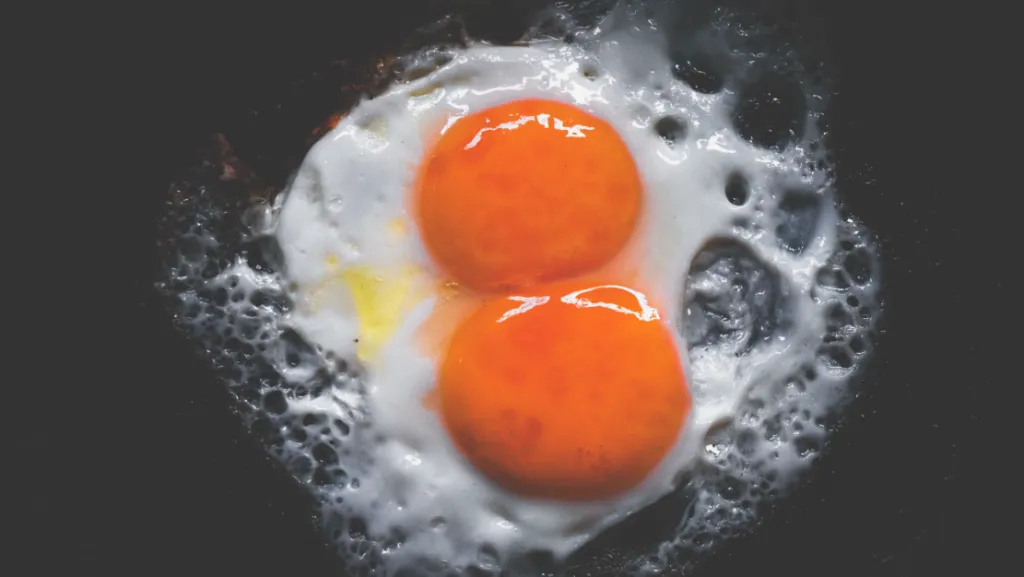
Cooking a perfect fried egg requires patience. Avoid turning up the heat too high to speed things up, as this often leads to overcooked edges and uneven yolks. Start with a cold pan and medium-low heat, giving the egg time to cook gradually. This technique ensures whites become firm without drying out the yolk. Watching closely allows you to catch the moment when it reaches your preferred doneness, whether that's runny, jammy, or firm. Aligning timing with heat control brings consistency and quality to each fry.
Neglecting Pan Cleanliness

A clean pan forms the foundation of a beautifully fried egg. Residual oils or food particles can impart unwanted flavors and cause sticking, disrupting the cooking process. Before you begin, ensure your pan is well-cleaned and dry. A good quality, non-stick surface offers the best results, preventing adhesion and promoting even cooking. Occasionally re-seasoning your pan, especially if it’s cast iron, keeps it in optimal condition, providing a pristine surface that’s ready for perfect eggs every time.


