
Don’t Eat These if You Have High Blood Pressure

For those managing high blood pressure, dietary choices play a critical role. Understanding which foods exacerbate the condition is vital for maintaining cardiovascular health. This guide highlights 15 common foods and their impact, focusing on sodium levels—a key factor in blood pressure management.
Salty Snacks: A Sodium Trap
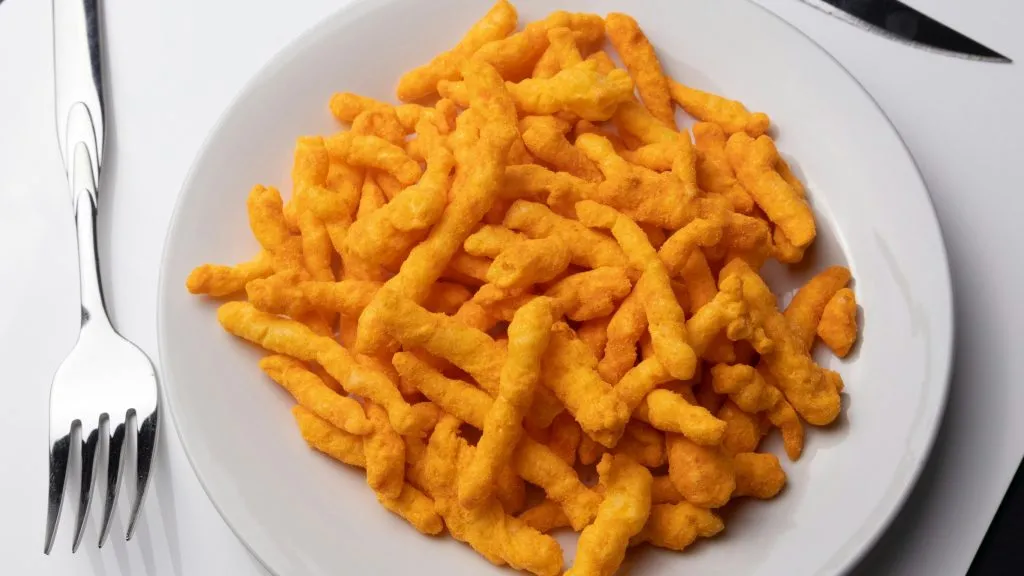
Salty snacks, like chips and pretzels, are notorious for their high sodium content. Consumed in moderation, they might seem harmless, but it’s their cumulative effect that poses a risk. Opt for unsalted versions or alternatives like unsalted nuts or air-popped popcorn to satisfy crunch cravings without the excessive sodium.
Canned Soups: Sneaky Sodium Culprits

Canned soups are often loaded with sodium, offering convenience at a nutritional cost. Even those marked as “low sodium” can still contribute significantly to your daily intake. Consider making your own soups at home, using fresh herbs and a splash of citrus to enhance flavor without adding extra salt.
Processed Meats: Hidden Salt Bombs
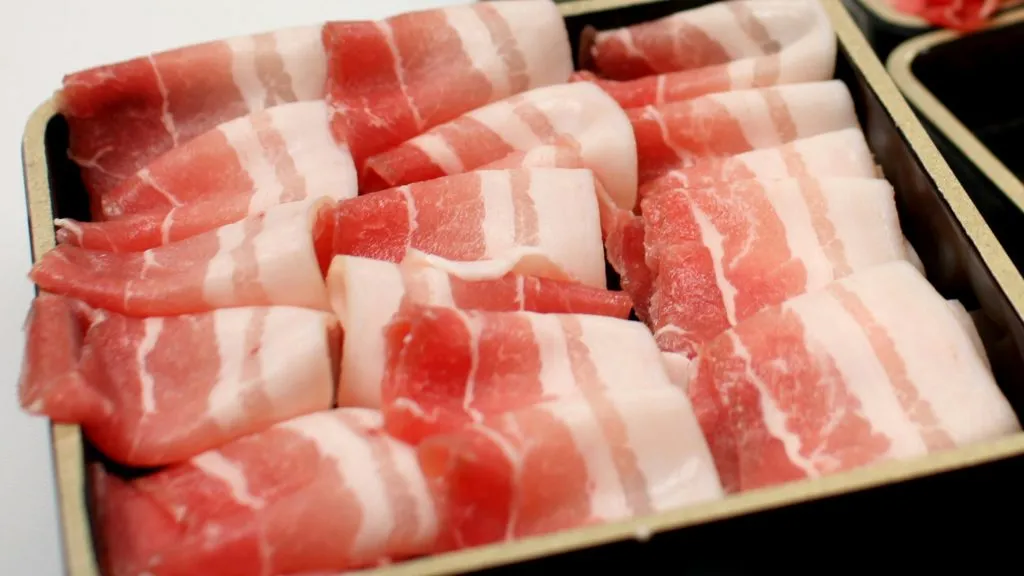
Processed meats, including bacon, sausage, and deli slices, are often cured with a salt-heavy process. This not only preserves the meat but also boosts sodium levels excessively. Choosing fresh, lean cuts of meat and preparing them with flavorful herbs and spices allows for a delicious meal without hidden salt.
Pickles: Sour Yet Dangerous

Pickles derive their distinctive taste from a brine solution often rich in salt. While they add zest to sandwiches, their high sodium can contribute to elevated blood pressure. Consider pickling at home with minimal salt or exploring quick-pickling methods using vinegar and sugar for a healthier twist.
Instant Noodles: Convenience vs. Health

Instant noodles offer an irresistible convenience but pose challenges for those with high blood pressure. Loaded with sodium, they can quickly exceed daily intake limits. Opt for low-sodium versions or enhance plain noodles with fresh vegetables, lean protein, and herbs. Minimizing the seasoning packet can significantly reduce sodium consumption while still delivering a satisfying meal. Balance is key—integrate whole grains and fiber-rich ingredients to offset the nutritional drawbacks.
Baked Goods: Sugar and Salt Combo

Baked goods frequently combine high sugar and salt content, which can adversely affect blood pressure. While tempting, these treats often lack nutritional value. Consider baking at home using low-sodium baking powder and reducing sugar. Integrate whole wheat flour and natural sweeteners like honey or applesauce to enhance nutrition without sacrificing flavor. Incorporate ingredients like nuts and seeds for added texture and health benefits, creating balance and cutting unhealthy elements.
Sugar-Laden Drinks: Beyond Sweetness

Sugar-laden drinks are deceptively simple yet add significant calories and sugar, impacting blood pressure. Opt for water infused with fruits or unsweetened herbal teas as alternatives. Understanding labels helps identify hidden sugars—keep an eye out for ingredients ending in “-ose,” indicating sugars. Try making your own iced teas or flavored waters with fresh mint, citrus, or berries for a refreshing, low-sugar option that quenches thirst without negatively impacting health.
Red Meat: Too Much of a Good Thing

Red meat, while rich in iron and protein, can be problematic when consumed in excess due to its saturated fat content, which may contribute to high blood pressure. Lean cuts, such as sirloin or flank steak, are better choices. Cooking methods like grilling or broiling reduce added fats. Consider incorporating alternatives like chicken, turkey, or plant-based proteins to diversify and lower saturated fat intake. Emphasize cooking with plenty of herbs and spices to retain flavor without extra salt.
Cheese: Creamy but Cautionary
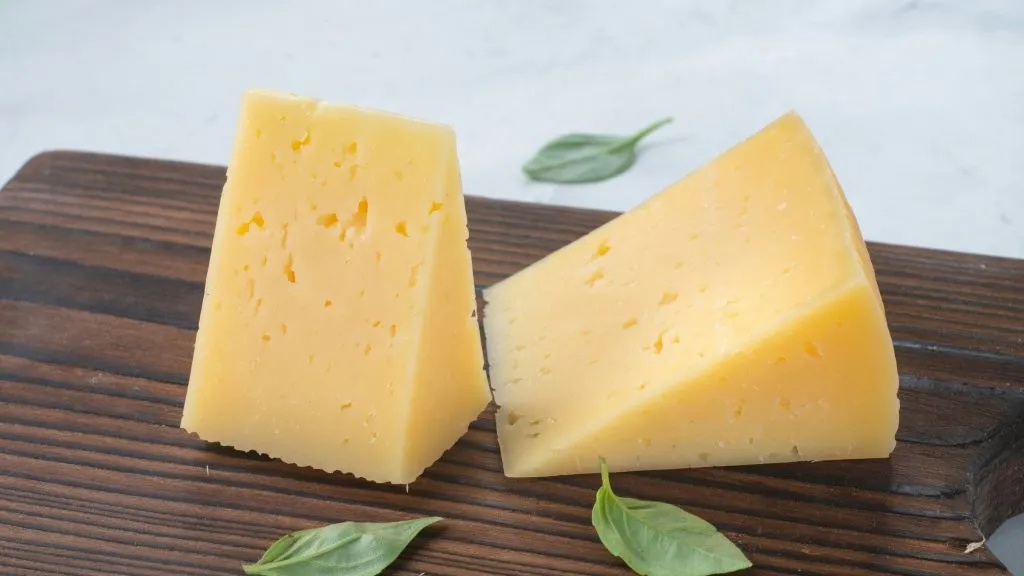
Cheese offers appealing flavors and textures but is often high in sodium and saturated fats. Opt for aged cheeses like Parmesan or Swiss in moderation to impart flavor with less quantity. Explore reduced-sodium varieties or softer cheeses like ricotta or mozzarella. Experiment with techniques like shaving or grating cheese finely to distribute its flavor more efficiently in dishes. Pair with fruits, vegetables, or whole grains to create balanced and flavorful meals without overwhelming salt.
Alcohol: Moderate Your Intake

Excessive alcohol consumption can lead to increased blood pressure, so moderation is key. Alcohol also interacts with many medications, which can further complicate management of hypertension. If you enjoy a glass of wine or a cocktail, limit your intake to one drink per day for women and two for men. Consider choosing beverages that are lower in alcohol content. Staying hydrated with water or herbal teas between drinks can help maintain balance and reduce overall intake.
Sauces and Condiments: Flavor at a Cost
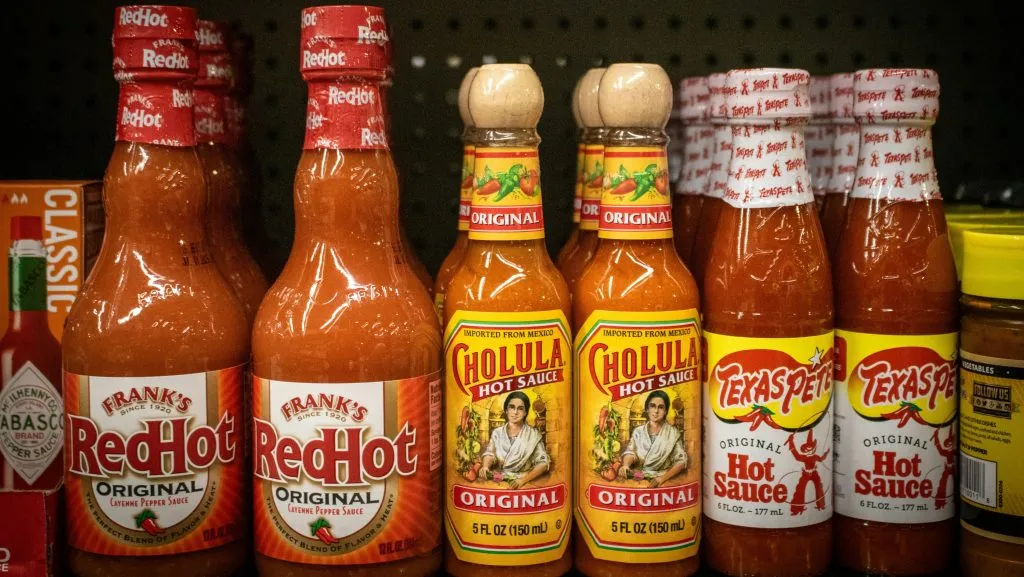
Many store-bought sauces and condiments are loaded with sodium, a major contributor to high blood pressure. Soy sauce, barbecue sauce, and salad dressings can quickly add up in terms of salt content. Opt for reduced-sodium versions or create your own. For a homemade sauce, use fresh herbs, garlic, lemon juice, and olive oil to enhance flavors naturally. This approach brings vibrancy to dishes without the health risks associated with excessive sodium.
Frozen Meals: Easy but Loaded
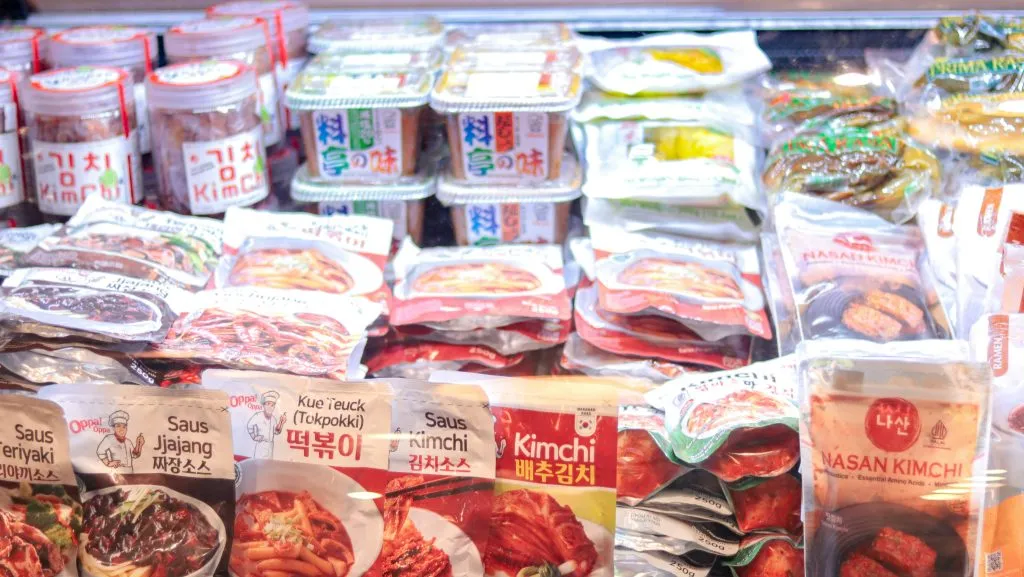
Convenience comes at a price with many frozen meals, which are often high in sodium and preservatives. These ingredients extend shelf life but are detrimental to blood pressure control. Instead, prepare meals in batches and freeze individual portions. Use lean proteins, fresh vegetables, and whole grains to create balanced dishes. Season with herbs and spices rather than salt to maintain a heart-healthy profile, ensuring convenience doesn't compromise nutrition.
Butter and Margarine: Fat-Filled Choices

Both butter and margarine are high in saturated and trans fats, which can raise cholesterol and blood pressure. Select healthier fats such as olive or avocado oil for cooking. These oils offer beneficial monounsaturated fats without the negative impact on cardiovascular health. If a buttery taste is desired, use small amounts of whipped or light butter, which incorporate air to lower fat content. Small adjustments can greatly benefit your heart health.
Canned Vegetables: Not as Healthy

Canned vegetables often contain added salt as a preservative, increasing sodium intake unnecessarily. When fresh vegetables aren't available, choose low-sodium or no-salt-added varieties. Rinsing canned vegetables under running water can also reduce sodium content. For improved flavor, roast or sauté these vegetables with garlic, onion, and olive oil. This transforms them from a mere convenience to a health-conscious component of your meal.
Deli Meats: Convenient but Risky
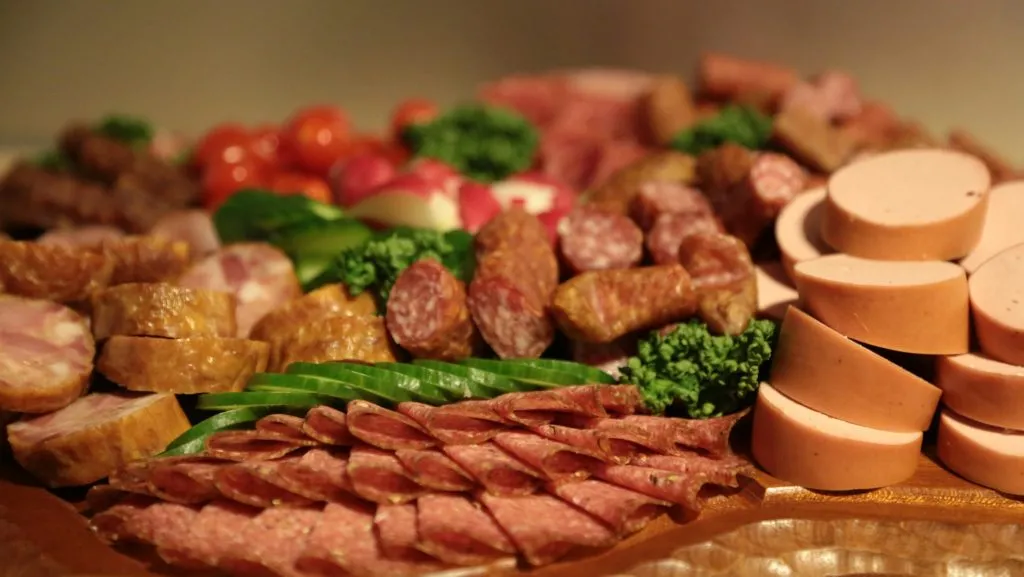
Deli meats offer a fast solution for lunches, yet they are laden with sodium, a critical concern for high blood pressure. Sodium acts as a preservative, extending shelf life while enhancing flavor, but it can significantly raise blood pressure. Opt for low-sodium varieties or, better yet, slice your own roasted turkey or chicken. When preparing homemade meats, season them with herbs like rosemary or thyme to infuse flavor without excess salt. This approach not only cuts down on sodium but also adds a depth of taste that store-bought options can't match.


