
14 Foods You Didn’t Know Were Banned Somewhere in the World

Exploring banned foods reveals fascinating intersections of culture, safety, and ethics. While many food items circulate freely, some face restrictions rooted in historical, health, or ethical concerns. Delving into these prohibitions uncovers nuances about how foods are produced, perceived, and regulated globally. This guide navigates through a selection of intriguing banned foods, shedding light on the reasons behind their prohibition and what it tells us about culinary values around the world.
The Haggis Ban

Get Recipe: Traditional haggis
In the United States, traditional Scottish haggis is banned due to the inclusion of sheep lung, an ingredient prohibited by the U.S. Department of Agriculture. This savory pudding, made with sheep’s pluck (heart, liver, and lungs), oatmeal, and spices cooked in a sheep’s stomach, produces a bold flavor and robust texture beloved in Scotland. The lung ban stems from health concerns, whereas in Scotland, its consumption is a point of national pride. While alternatives exist, purists argue that authentic haggis cannot be replicated without lungs.
The Kinder Egg Controversy

Kinder Eggs, those chocolate shells concealing a toy surprise, are banned in the United States under the Federal Food, Drug, and Cosmetic Act. This act prohibits non-nutritive objects being embedded in confectionery to prevent choking hazards. Kinder Eggs are beloved for their interactive, playful nature—a compelling mix of rich chocolate and the joy of discovery. The controversy underscores balancing food safety with cultural treats. Modified versions, complying with U.S. laws, separate toy from treat, allowing safe enjoyment.
The Raw Milk Dilemma

Raw milk, favored by some for its perceived health benefits and richer flavor, carries a complex legal status worldwide due to health concerns. Unpasteurized, it retains natural enzymes and bacteria, drawing proponents for its purity. However, potential pathogens present risks, leading many jurisdictions to ban or restrict its sale. Supporters advocate for informed consumer choice, arguing for the benefits of traditional dairy farming methods. The debate highlights tension between modern food safety regulations and traditional food practices.
Foie Gras: A Delicacy Divided

Foie gras, a luxurious delicacy made from the liver of a force-fed duck or goose, is banned in several places due to animal welfare concerns. Known for its buttery texture and rich flavor, it’s revered in culinary circles yet controversial due to the force-feeding process. Restrictive measures reflect growing ethical considerations regarding animal treatment. However, some argue for traditional farming practices and the skillful preparation that foie gras demands. The ban raises questions about ethical dining and consumer responsibility.
The Sassafras Oil Saga

Sassafras oil, once a common flavoring in root beer, was banned in the United States due to safrole, a naturally occurring compound linked to cancer risk. Despite its historical prominence, the FDA prohibited its use in food in 1960. For a safer alternative, try root beer formulations with wintergreen or vanilla that capture the nostalgic fragrance without the risks. Understanding ingredient substitutions that achieve the desired flavor while maintaining safety is crucial for home experimentation.
Fugu Fish: A Deadly Delicacy

Fugu fish, revered in Japan, is notorious for its potentially lethal tetrodotoxin. Only licensed chefs, who undergo rigorous training, can prepare it. Despite its ban in several countries, adventurous gourmands find its tender texture and subtle taste worth the risk. If you're intrigued by its mystique, consider starting with less dangerous seafood options that mirror its delicate flavor, like sea bass, allowing for both appreciation of texture and culinary caution.
Absinthe: The Green Fairy's Ban

Absinthe, once banned for its supposed hallucinogenic properties, has been legalized in many places but remains restricted in some due to its thujone content. Opt for regulated brands with low thujone levels to savor its complex, aromatic blend of anise and wormwood. When crafting cocktails, balance its assertiveness with complementary flavors like citrus or mint. This ensures a sophisticated experience without overwhelming the palate.
The Horse Meat Debate
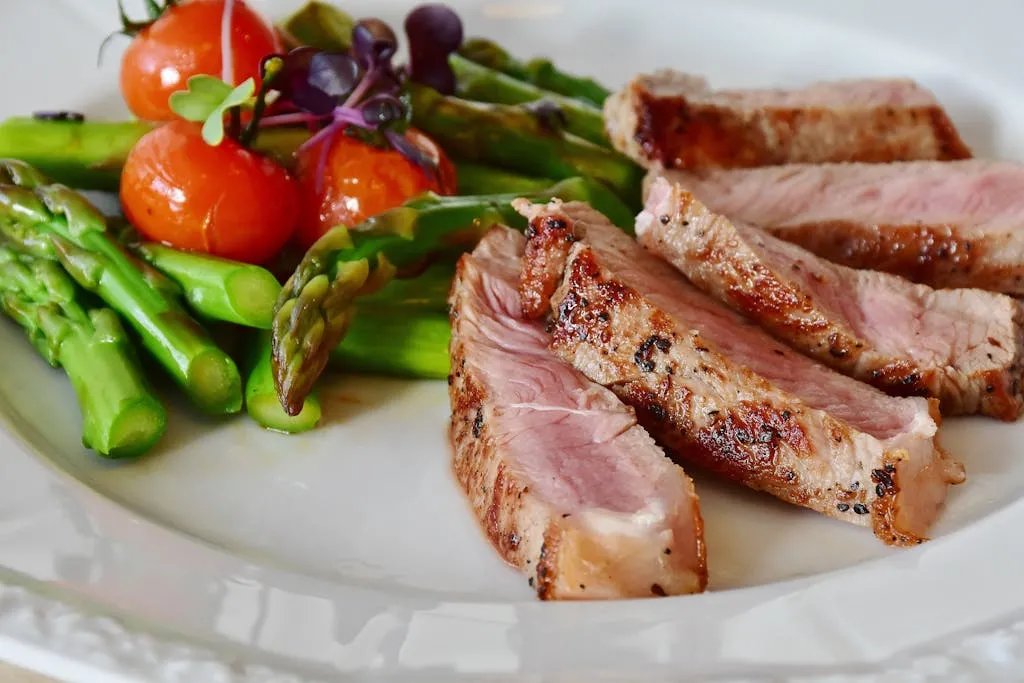
Horse meat, controversial in many countries, offers a lean, high-protein option akin to beef but is banned in some places due to cultural sensibilities. For those in regions where it’s legal, its tender texture and slightly sweet taste can be cooked like other red meats. If unavailable, bison or venison serve as excellent substitutes, providing similar health benefits and a chance to experiment with alternative protein sources.
When Red Bull Hits a Wall

Certain countries have taken a cautious stance on energy drinks like Red Bull, restricting them due to health concerns. High caffeine and taurine levels are the primary reasons for these bans. These substances, when consumed in large amounts, can lead to adverse health effects, including increased heart rate and blood pressure. By understanding these potential risks, consumers can make informed choices. In regions where it's prohibited, staying aware of local regulations ensures compliance and encourages healthier alternatives to maintain energy without reliance on such stimulants.
The Black Pudding Prohibition

Black pudding, a type of blood sausage, faces restrictions in some places due to its primary ingredient—animal blood. Cultural sensitivities and health regulations contribute to its prohibition. In preparation, achieving the right texture and seasoning is essential. Using fresh blood, oats, suet, and spices like allspice and white pepper creates a flavorful mix. While cooking, poaching gently avoids a tough consistency. For those wanting to sample this rich dish in regions where it's allowed, mastering the subtle balance of spices enhances the authenticity and enjoyment.
Beluga Caviar: A Rare Luxury

Beluga caviar's ban in countries like the U.S. stems from concerns over the endangered status of beluga sturgeon. Recognized for its delicate texture and buttery flavor, it remains a coveted culinary gem. Ethical sourcing is pivotal; consider sustainable alternatives like farm-raised caviar from other sturgeon species. Serve it with simplicity—blinis and a dollop of crème fraîche—to let its nuanced flavors shine. When it's accessible, ensuring mindful consumption respects conservation efforts, allowing connoisseurs to enjoy luxury responsibly.
Chewing Gum: A Sticky Situation

Chewing gum's notable ban in Singapore focuses on urban cleanliness and public order. The prohibition aims to prevent the litter and maintenance issues it causes. For those who miss the habit, consider alternatives like mints or oral hygiene tablets that offer freshness without residue. If traveling to areas with such restrictions, it’s crucial to respect local regulations to avoid penalties. Understanding these civic measures encourages responsible consumption and aligns personal habits with community well-being.
Casu Marzu: The Maggot Cheese
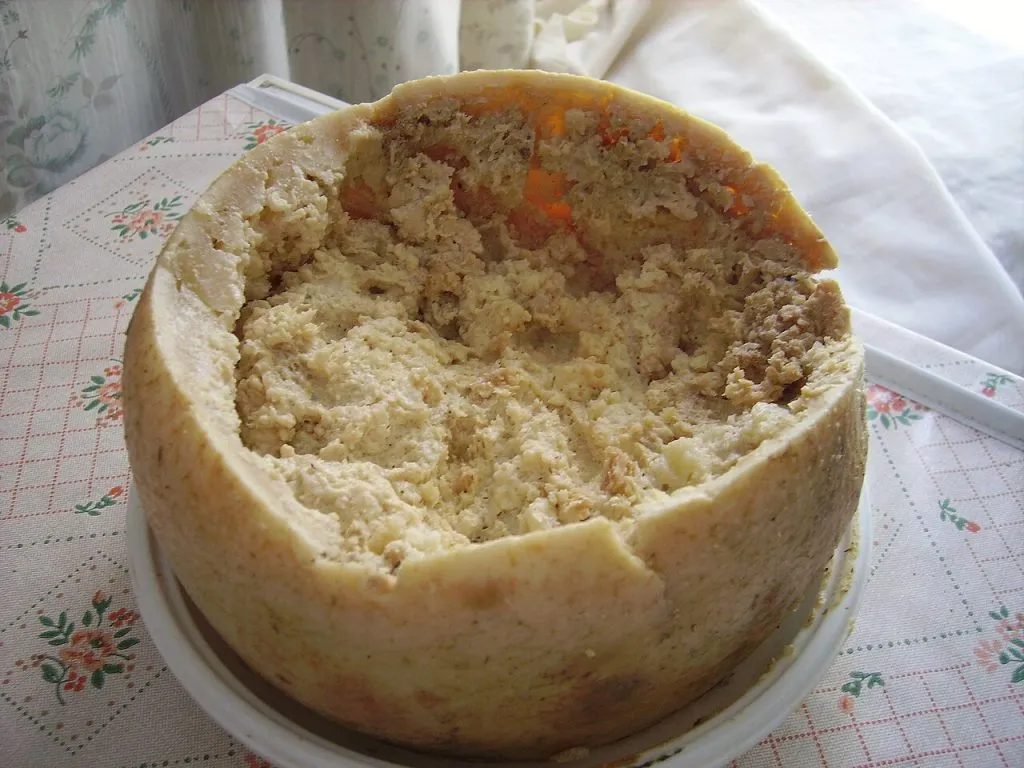
Casu Marzu, a Sardinian delicacy, is renowned for its unconventional preparation involving live insect larvae. The ban in the EU focuses on food safety and hygiene concerns. The larvae contribute to the cheese's intense flavor profile and soft, almost spreadable texture. For adventurous palates outside the banned regions, it's an extraordinary experience. It’s typically served with traditional Sardinian flatbread and accompanied by a robust red wine. Those interested in its complex flavor should note the importance of proper handling and awareness of legal restrictions.
Sea Turtle Meat: An Oceanic Ban

Sea turtle meat is prohibited in many regions due to the endangered status of these marine creatures. Nations around the globe, including the United States, protect sea turtles under various conservation acts. The meat was once prized for its unique, rich taste, akin to a blend of veal and fish, but its consumption poses significant ethical and ecological concerns. Organizations advocate for protecting these animals not just for their ecological importance but also to prevent legal infractions. Cooking enthusiasts should seek sustainable seafood alternatives to contribute positively to marine conservation efforts.


